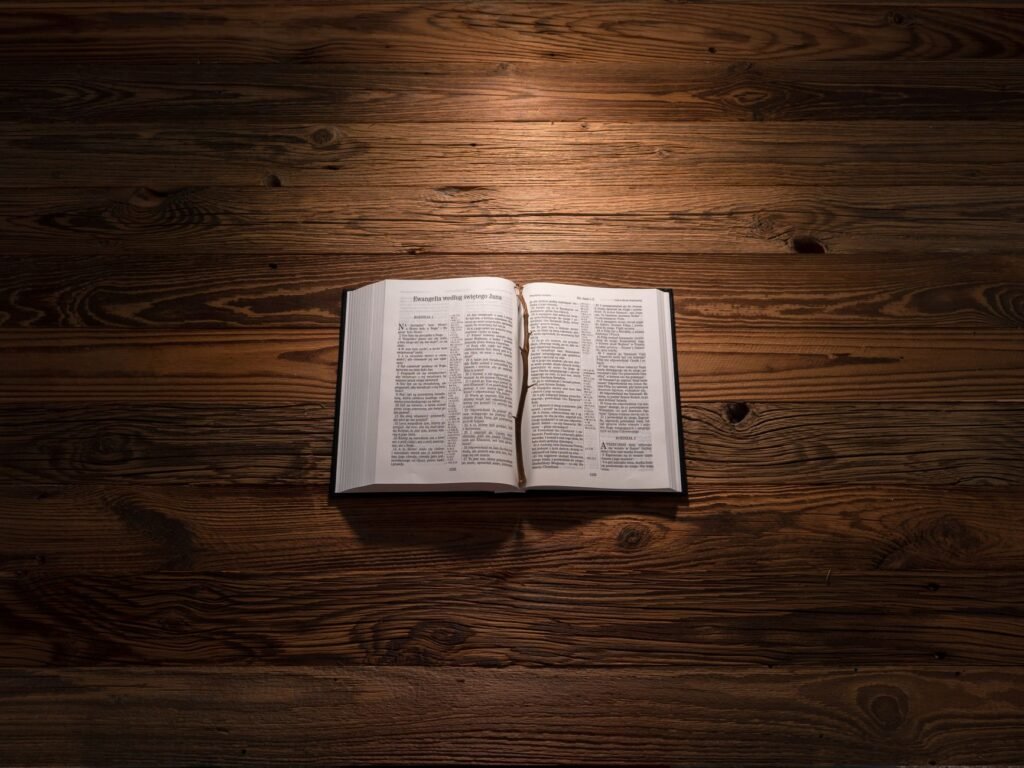
Today we will talk about how to memorize bible verses. Memorizing Scripture is not a contest, and we do not need to learn many verses at once. We can begin with one short passage, read it slowly, and ask God to help us understand it. As we repeat the words, they can become easier to recall and more familiar in our hearts. We can practice while getting ready in the morning, walking, or resting before bed. Writing a verse on a card or saying it aloud can also help. When a word is difficult to remember, we can pause, look it up, and try again with patience. Most of all, we memorize not just to repeat words, but to know God’s truth and live by it. The Bible offers wisdom, comfort, and guidance for every part of life. In this friendly guide, we will explore simple ways to remember Scripture, reflect on its meaning, and bring it into our daily choices. Let us begin with small steps, encourage one another, and trust that God’s Word can stay with us.
As we read, let us take a quiet moment to reflect on God’s Word and ask for help remembering it.
Psalm 119:11
“Thy word have I hid in mine heart, that I might not sin against thee.” – Psalm 119:11
how to memorize bible verses
Choose One Verse and Learn It Slowly
When we think about how to memorize bible verses, a kind place to begin is with one verse at a time. We do not need to rush or feel bad if the words do not stick right away. First, we can read the verse in its setting and notice what it teaches. Then we can say it aloud in small parts, joining each part to the next. Reading the verse from a printed Bible helps us see the exact words, while repeating it helps us become familiar with its sound. We can return to it later in the day and try to say it without looking. If we forget a word, we can check it and begin again with patience. Learning slowly gives us room to understand the verse, not only recite it. As we practice, we can ask God to help us hold the truth close and use it in our choices. Small, steady steps can build a lasting habit.
Deuteronomy 6:6
“And these words, which I command thee this day, shall be in thine heart:” – Deuteronomy 6:6
Joshua 1:8
“This book of the law shall not depart out of thy mouth; but thou shalt meditate therein day and night, that thou mayest observe to do according to all that is written therein: for then thou shalt make thy way prosperous, and then thou shalt have good success.” – Joshua 1:8
Repeat Scripture Throughout the Day
Repetition can help us remember, especially when we practice at more than one time of day. As we explore how to memorize bible verses, we can make repetition gentle and natural. We might read a verse after breakfast, say it again during a break, and recall it before sleep. We can repeat the words aloud, whisper them, or speak them silently as we go about our day. The goal is not to turn Scripture into a hurried task. We want to give its meaning time to settle in our thoughts. When a line feels familiar, we can try saying it without looking, then check the Bible to make sure we have it right. Returning to a verse over several days gives our memory more chances to hold on to it. We can also connect the verse to a regular moment, such as a walk or a quiet pause. With a little patience, repeated practice becomes a peaceful rhythm that helps us remember and reflect.
Psalm 1:2
“But his delight is in the law of the LORD; and in his law doth he meditate day and night.” – Psalm 1:2
Psalm 119:15
“I will meditate in thy precepts, and have respect unto thy ways.” – Psalm 119:15
Psalm 119:16
“I will delight myself in thy statutes: I will not forget thy word.” – Psalm 119:16
Understand What the Verse Means
Understanding gives our memory something meaningful to hold. When we learn how to memorize bible verses, we can ask what the verse says about God, people, or the way we should live. We can read the verses around it so we do not miss its setting. If a word seems unfamiliar, we can look it up or ask a trusted Christian to explain it. Then we can put the main idea into our own simple words without changing the Bible’s meaning. This is not a replacement for the verse; it is a way to understand it more clearly. We can picture how its truth might guide us in a real situation, such as choosing kindness or trusting God when we feel unsure. Meaningful reflection can help us recall the verse because we remember the truth behind the words. As we practice, we can keep both parts together: learning the Bible’s exact wording and thinking carefully about what it teaches us.
Romans 12:2
“And be not conformed to this world: but be ye transformed by the renewing of your mind, that ye may prove what is that good, and acceptable, and perfect, will of God.” – Romans 12:2
Colossians 3:16
“Let the word of Christ dwell in you richly in all wisdom; teaching and admonishing one another in psalms and hymns and spiritual songs, singing with grace in your hearts to the Lord.” – Colossians 3:16
Hebrews 4:12
“For the word of God is quick, and powerful, and sharper than any twoedged sword, piercing even to the dividing asunder of soul and spirit, and of the joints and marrow, and is a discerner of the thoughts and intents of the heart.” – Hebrews 4:12
Write Verses Down and Review Them
Writing can help us pay close attention to each word. As we learn how to memorize bible verses, we can copy a verse into a notebook or onto a small card. Writing slowly gives us time to notice the order of the words and their meaning. After copying it, we can cover the original and try to write the verse again from memory. We can check our work kindly, correct any missed words, and try once more. A card can go somewhere we will see it, such as beside our desk or in a Bible study notebook. We can review older verses while learning a new one, so the earlier words stay fresh too. It is helpful to keep the Bible nearby and make sure we are learning the verse accurately. We do not need fancy supplies or a perfect system. A pencil and a few minutes are enough. Each time we write and review, we give our minds another chance to remember the truth.
Deuteronomy 11:18
“Therefore shall ye lay up these my words in your heart and in your soul, and bind them for a sign upon your hand, that they may be as frontlets between your eyes.” – Deuteronomy 11:18
Proverbs 7:3
“Bind them upon thy fingers, write them upon the table of thine heart.” – Proverbs 7:3
2 Timothy 2:15
“Study to shew thyself approved unto God, a workman that needeth not to be ashamed, rightly dividing the word of truth.” – 2 Timothy 2:15
Say the Verse Aloud and Listen Carefully
Speaking a verse aloud lets us hear its words as well as read them. This can be a helpful part of how to memorize bible verses, especially when we speak clearly and take our time. We can read one phrase, repeat it, and then add the next phrase. Once the whole verse feels familiar, we can say it without looking and listen for any missing words. Some of us may enjoy recording ourselves and playing the verse back later. Others may prefer to practice with a friend or family member. We can take turns reading the verse and listening as the other person recalls it. If we make a mistake, we can simply look again and try with a calm heart. Speaking Scripture is not about performing for anyone. It is a way to give our attention to God’s message and let it shape our thoughts. We can choose a quiet place and practice for just a few minutes, building confidence with each kind repetition.
Romans 10:17
“So then faith cometh by hearing, and hearing by the word of God.” – Romans 10:17
James 1:22
“But be ye doers of the word, and not hearers only, deceiving your own selves.” – James 1:22
Luke 11:28
“But he said, Yea rather, blessed are they that hear the word of God, and keep it.” – Luke 11:28
Connect a Verse With a Daily Moment
A verse may be easier to recall when we connect it to a regular part of our day. As we practice how to memorize bible verses, we can choose a gentle reminder, such as breakfast, a walk, or bedtime. When that moment comes, we can say the verse or think about its message. We can also connect a verse to a place or a small object, like a card in our bag or a note by our desk. These reminders are not magic; they simply help us pause and turn our attention to Scripture. We can choose verses that speak to situations we often face, such as needing courage, patience, or wisdom. Then, when a similar moment arrives, we may remember the truth we have been learning. We should still read the verse in context and not use it as a shortcut for careful thinking. A steady daily connection can help Scripture become part of our ordinary routines, bringing God’s guidance into the small moments as well as the big ones.
Deuteronomy 6:7
“And thou shalt teach them diligently unto thy children, and shalt talk of them when thou sittest in thine house, and when thou walkest by the way, and when thou liest down, and when thou risest up.” – Deuteronomy 6:7
Psalm 37:31
“The law of his God is in his heart; none of his steps shall slide.” – Psalm 37:31
Proverbs 3:6
“In all thy ways acknowledge him, and he shall direct thy paths.” – Proverbs 3:6
Use Verses to Remember God’s Help
We can choose verses that remind us of God’s care when life feels difficult. Learning how to memorize bible verses is not only an exercise for our minds; it can also prepare us to reach for truth when we need comfort or courage. We might learn a verse about God’s presence, strength, or faithfulness. As we practice, we can think about how its message speaks to a worry we carry. This does not mean every hard feeling will disappear at once. It means we have a true and steady message to remember as we face it. We can say the verse slowly, breathe, and ask God to help us trust what it teaches. It may also help to share the verse with a trusted friend who can encourage us. We should learn the passage carefully and avoid forcing it to promise something it does not say. Remembering Scripture can help us turn our thoughts toward God and take the next faithful step with hope.
Isaiah 40:8
“The grass withereth, the flower fadeth: but the word of our God shall stand for ever.” – Isaiah 40:8
Philippians 4:8
“Finally, brethren, whatsoever things are true, whatsoever things are honest, whatsoever things are just, whatsoever things are pure, whatsoever things are lovely, whatsoever things are of good report; if there be any virtue, and if there be any praise, think on these things.” – Philippians 4:8
1 Corinthians 10:13
“There hath no temptation taken you but such as is common to man: but God is faithful, who will not suffer you to be tempted above that ye are able; but will with the temptation also make a way to escape, that ye may be able to bear it.” – 1 Corinthians 10:13
Practice With a Friend or Family Member
Learning with someone we trust can make practice more joyful. When we explore how to memorize bible verses together, we can take turns reading, repeating, and recalling a passage. One person might say the first part while the other finishes it, or we can ask each other to share the verse’s main idea. We can encourage one another without making mistakes feel embarrassing. If a word is forgotten, we can look it up together and try again. A family or friend can also help us notice whether we have remembered the wording correctly. We should keep our practice warm and respectful, since everyone learns at a different pace. We can talk about how the verse applies to daily life, while making sure we understand it in its Bible context. Shared learning gives us a chance to support each other and grow in faith together. Even a short conversation about one verse can help it stay in our minds and remind us that we do not have to learn alone.
Ecclesiastes 4:9
“Two are better than one; because they have a good reward for their labour.” – Ecclesiastes 4:9
Colossians 3:2
“Set your affection on things above, not on things on the earth.” – Colossians 3:2
1 Thessalonians 5:21
“Prove all things; hold fast that which is good.” – 1 Thessalonians 5:21
Recall the Verse Before Looking
Testing our memory can show us what we have learned and what we still need to review. As we consider how to memorize bible verses, we can read a verse, cover it, and try to say it from memory. We might begin with the first few words, then recall the next phrase, and finally say the whole passage. Afterward, we can open the Bible and check the wording. This is not a school test, and there is no need to feel ashamed if we forget. Each attempt helps us notice which parts are clear and which parts need more practice. We can give ourselves a small clue, such as the first word of a phrase, before checking the whole verse. It can also help to review the verse after a short break and again the next day. With time, we may find we can recall it more easily. Careful checking matters because we want to remember what Scripture actually says, not just a version we have accidentally changed.
Psalm 119:105
“Thy word is a lamp unto my feet, and a light unto my path.” – Psalm 119:105
Matthew 4:4
“But he answered and said, It is written, Man shall not live by bread alone, but by every word that proceedeth out of the mouth of God.” – Matthew 4:4
Hebrews 10:23
“Let us hold fast the profession of our faith without wavering; (for he is faithful that promised;)” – Hebrews 10:23
Live Out What We Learn
The purpose of remembering Scripture is not only to say it correctly. We also want its truth to guide the way we live. When we learn how to memorize bible verses, we can ask how the verse might shape our actions, words, and choices. A verse about kindness can remind us to treat someone with care. A verse about trust can encourage us to pray and seek wise help when we feel uncertain. We should not expect ourselves to understand everything at once. We can keep learning, ask questions, and read the Bible passage around the verse. Then we can choose one practical way to respond to what we have learned. Living out Scripture may take time, and we can ask God for help when it feels hard. We can also encourage one another as we try. Remembering and obeying belong together: as the words stay in our minds, their wisdom can guide our steps. Our goal is to grow in faith, not to show off how much we can recite.
Matthew 7:24
“Therefore whosoever heareth these sayings of mine, and doeth them, I will liken him unto a wise man, which built his house upon a rock:” – Matthew 7:24
John 14:26
“But the Comforter, which is the Holy Ghost, whom the Father will send in my name, he shall teach you all things, and bring all things to your remembrance, whatsoever I have said unto you.” – John 14:26
John 15:7
“If ye abide in me, and my words abide in you, ye shall ask what ye will, and it shall be done unto you.” – John 15:7
Final Thoughts
We have explored simple ways to remember Scripture: choosing one verse, repeating it, writing it down, and learning its meaning. We can also practice with someone we trust and connect a verse to a daily moment.
I hope we remember that learning takes time. We do not need to be perfect or memorize many verses at once. We can begin with one passage and return to it with patience.
As we keep God’s Word close, we can ask for wisdom to live by its truth. Let us encourage one another and take small, faithful steps as we grow.
Further Reading
30 Bible Verses About Getting Closer To God (With Commentary)
30 Bible Verses About Removing People From Your Life (With Commentary)
30 Bible Verses About Israel (With Explanation)
30 Bible Verses About Being Lukewarm (With Explanation)
4 Ways to Encounter Grace and Truth: A Study on John, Chapter 4