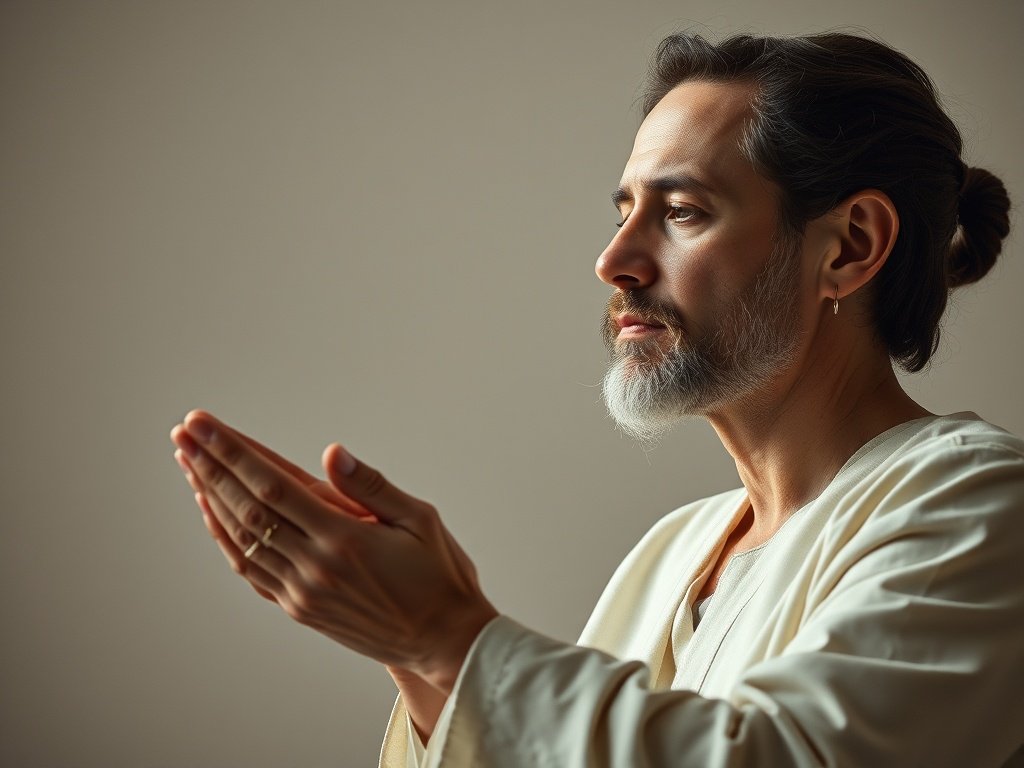
Many people know the Lord’s Prayer, but not everyone knows who wrote it or where it came from. This prayer is an important part of Christian worship and has a long and fascinating history. Let’s explore its origins, significance, and how it has been used over the years.
What is the Lord’s Prayer?
The Lord’s Prayer is a simple yet powerful prayer that many Christians say regularly. It teaches important lessons about faith, forgiveness, and the nature of God. The prayer goes like this:
Our Father, who art in heaven,
Hallowed be thy name.
Thy kingdom come,
Thy will be done,
On earth as it is in heaven.
Give us this day our daily bread,
And forgive us our trespasses,
As we forgive those who trespass against us.
And lead us not into temptation,
But deliver us from evil.
Amen.
Now let's learn about where this prayer came from and who wrote it.
Who Wrote the Lord's Prayer?
The roots of the Lord’s Prayer can be traced back to two key passages in the New Testament of the Bible. These passages are found in the books of Matthew and Luke.
The Gospel of Matthew
- Location: The Lord's Prayer is recorded in Matthew 6:9-13.
- Context: Jesus taught this prayer during the Sermon on the Mount, where he shared many teachings with his followers about how to live a good life.
- Significance: The message here is that prayer should be sincere and not just about showing off to others.
The Gospel of Luke
- Location: In Luke 11:2-4, there is a shorter version of the Lord's Prayer.
- Context: Here, the disciples asked Jesus how to pray, and he responded with this simple yet profound prayer.
- Message: This shows the importance of seeking God’s guidance in our daily lives.
Why is the Lord’s Prayer Important?
The Lord’s Prayer holds special meaning for many believers. Here are some reasons why it is significant:
- A Guide for Prayer: The prayer teaches believers how to talk to God. It includes praise, requests, and a focus on forgiveness.
- Community: Many people say this prayer together in church, which helps build a sense of community and shared faith.
- A Reminder: Each line encourages reflection on important values like humility, trust, and gratitude.
Different Versions of the Prayer
Over the years, the Lord’s Prayer has been translated into many languages and adapted into different Christian traditions. Let’s look at some of the variations:
Catholic Version
In the Roman Catholic Church, the prayer often ends with, “For thine is the kingdom, the power, and the glory, now and forever.” This extra line emphasizes the greatness of God.
Protestant Version
Many Protestant churches follow the traditional wording found in the King James Version of the Bible. There may be slight differences in phrasing, but the overall meaning remains the same.
Modern Language
Some newer translations aim to make the prayer easier to understand for children and those not familiar with older texts. For example:
Our Father in heaven,
Help us to honor your name.
Bring your kingdom.
Help us do what you want here on earth, just like in heaven.
Give us what we need today.
Forgive us for our mistakes,
As we forgive those who hurt us.
Lead us away from temptation,
And protect us from evil.
Amen.
How is the Lord's Prayer Used Today?
The Lord’s Prayer is used in many ways by different groups and during various occasions. Here are some common uses:
- During Worship Services: Most Christian churches recite this prayer together as part of their services.
- In Personal Prayer: Many individuals memorize the prayer and use it as part of their daily discussions with God.
- Special Occasions: The prayer may be said at weddings, baptisms, and funerals to foster a sense of connection to God.
The Impact of the Lord’s Prayer on Culture
The Lord’s Prayer has left a mark not only on religion but also on popular culture. Let’s explore some of these influences:
- Literature: The prayer appears in various works of literature, symbolizing hope, forgiveness, and faith.
- Art: Many paintings and sculptures depict scenes related to prayer or highlight the words of the Lord’s Prayer.
- Music: Several composers have set the words of the prayer to music, creating beautiful hymns and songs that people continue to sing today.
Conclusion
The Lord’s Prayer is much more than just words recited in church. It's a significant part of many people's spiritual lives. Written by Jesus himself in the New Testament, this prayer serves as a guide to connect with God. Its relevance remains strong across different cultures and traditions, showing that faith and community are vital parts of human experience.
Understanding who wrote the Lord’s Prayer unravels a rich history that continues to inspire millions. By exploring its meanings and various forms, we can appreciate the depth and beauty of this simple yet profound prayer. Whether recited in a church service, whispered in personal reflection, or sung in a beautiful hymn, the Lord's Prayer continues to resonate with hope and love in the hearts of those who use it.