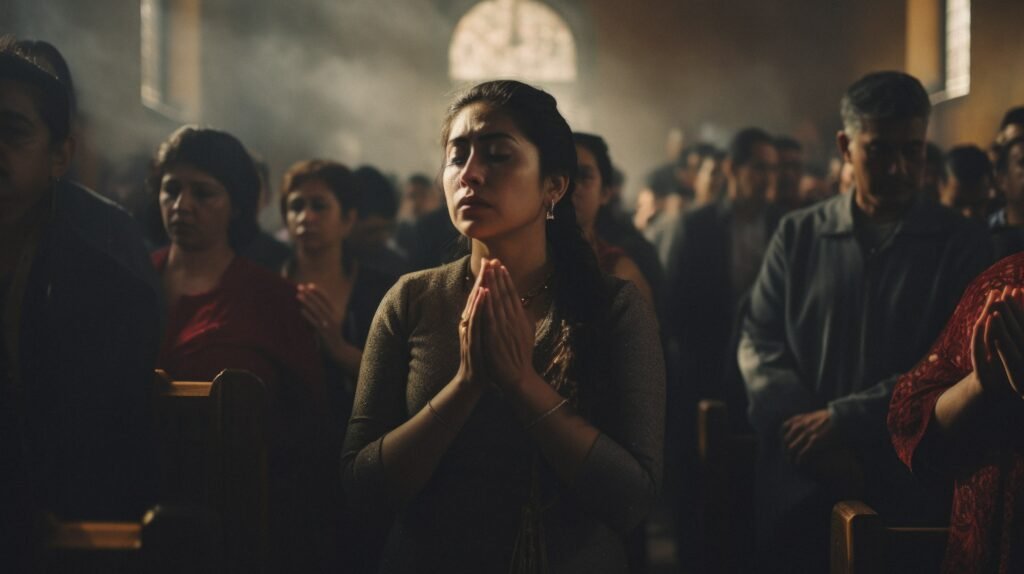
Interceding for Others: Standing in the Gap Like Moses and Esther
Intercession is one of the most powerful acts of advocacy we have at our disposal. It involves standing in the gap for someone else, pleading and negotiating for their needs or safety. This ancient practice has significant relevance today, drawing inspiration from biblical figures like Moses and Esther who showcased remarkable acts of intercession. Their stories remind us of the strength and courage required to step up for others and highlight the profound impact of selfless advocacy.
The Power of Intercession: A Historical Perspective
Intercession is a concept embedded in numerous religious and cultural traditions. It involves intervening on behalf of others, often through prayer or deliberate action, to seek support, mercy, or justice. This selfless act is reliant on the belief that one’s involvement can effect change for individuals or communities. To understand this better, let’s delve into the inspiring acts of intercession demonstrated by Moses and Esther.
Moses: The Mediator of the Israelites
Moses, a central figure in the Old Testament, exemplifies intercession through his continuous advocacy for the Israelites.
- Pleading for Mercy: When God considered punishing the Israelites for their idolatry (Exodus 32), Moses pleaded for their forgiveness. By advocating for a people who had repeatedly shown resistance, he demonstrated compassion and commitment to their welfare.
- Creating Dialogue: Moses was adept at creating a dialogue, not only between God and the Israelites but also within the community itself. His ability to mediate focused on creating understanding and reconciliation, emphasizing the importance of communication.
- Perseverance in Intercession: Moses’ repeated intercessions, especially during the Israelites’ numerous transgressions, highlight the patience and perseverance required when advocating for others.
Esther: The Brave Advocate for Her People
The story of Esther offers another compelling narrative of intercession. Despite personal risk, Esther stood in the gap for her entire community.
- Courageous Advocacy: When the Jewish people faced annihilation, Esther pleaded their case before King Ahasuerus. Her request required extraordinary courage because approaching the king unbidden could result in her own death.
- Wisdom in Timing: Esther’s approach underscores the importance of strategy and timing in intercession. She prayerfully considered when to reveal her identity and make her plea, teaching us the value of patience and discernment.
- Empathy-Driven Leadership: Esther exemplified empathy by identifying closely with her people’s plight. Her personal sacrifice for the greater good highlights a selfless form of leadership.
Interceding Today: Drawing Lessons from the Past
Today, the concept of intercession remains as relevant as ever, from personal relationships to global crises. Here’s how we can draw lessons from Moses and Esther to intercede effectively:
- Recognize the Need: The first step in intercession is recognizing when and where there is a need. Whether it’s a friend in distress, a community in crisis, or global issues, staying informed helps identify opportunities to act.
- Take Action Courageously: Intercession often requires stepping out of comfort zones, much like Moses and Esther. Be willing to act courageously, even if it means facing potential pushback or going against the status quo.
- Communicate Effectively: Just as Moses and Esther used communication to advocate for their people, honing communication skills is vital. This includes listening actively and articulating needs clearly and persuasively.
- Incorporate Spiritual and Practical Support: Combining prayer or meditative practices with tangible actions creates holistic intercession. This dual approach balances moral support with concrete assistance.
- Develop Empathy and Patience: Effective intercession requires deep empathy and patience, characteristics abundantly displayed by both biblical figures. Understanding and connecting with others’ experiences lays a strong foundation for impactful advocacy.
Conclusion: Embrace the Role of Intercessor
Standing in the gap for others is an intrinsic part of human relationships that builds bridges, fosters understanding, and cultivates a more compassionate world. The examples of Moses and Esther provide timeless lessons on leadership, courage, and advocacy. Their legacies inspire us to take on the role of an intercessor in our own lives—with empathy, resilience, and a willingness to act for the greater good.
By embracing these principles, we not only honor their stories but also contribute to a brighter, more unified future. As we navigate the challenges of today’s world, let us remember the power we hold to effect change and continue standing in the gap for those in need.