The Invitation to the Table
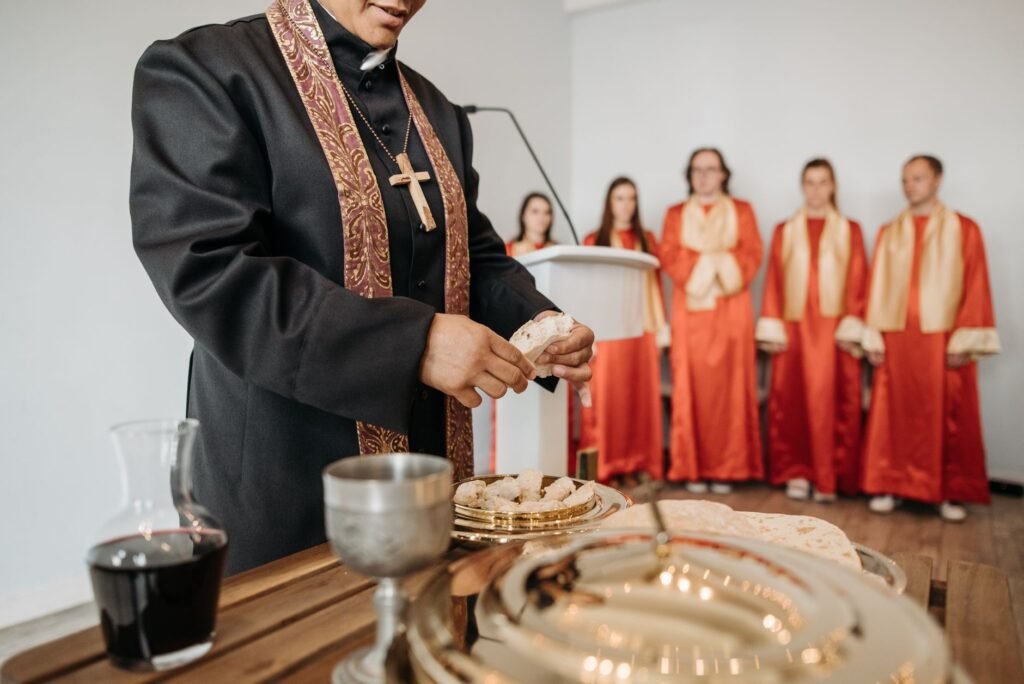
The Christian life is marked by many rhythms, but few are as profound or as central to the experience of the believer as the act of Communion. Often referred to as the Lord’s Supper, the Eucharist, or the Breaking of Bread, this practice is far more than a mere ritual or a dry ecclesiastical tradition. It is a vibrant, living encounter with the reality of the gospel. When we gather around the table, we are participating in a mystery that spans the centuries, linking us to the upper room in Jerusalem where Jesus first instituted the meal with his disciples. It is an invitation to pause, to reflect, and to feast upon the grace that has been extended to us through the broken body and shed blood of our Savior.
For many, the frequency and the specific theological understanding of Communion vary, yet the core significance remains anchored in the commands of Christ. It is a moment where the horizontal reality of our community meets the vertical reality of our relationship with God. As we approach the table, we are reminded that our faith is not a solitary journey but a shared walk of discipleship. We come as individuals, but we eat as a body. This act of communal worship serves as a tangible expression of our reliance on God for our daily spiritual sustenance, much like the manna provided to the Israelites during their wilderness wanderings, as recorded in Exodus 16:15.
A Memorial of Remembrance
The primary command given by Jesus concerning the Lord’s Supper is found in Luke 22:19, where he instructs his followers to do this in remembrance of him. Memory is a powerful force in the life of faith. In the Old Testament, we see how the people of Israel were constantly called to remember the mighty works of God, from the liberation of the people from Egypt to the covenant established through Moses. Remembrance is not merely a cognitive exercise of recalling historical facts; it is an active, heart-engaging process of bringing the past into the present to shape our current identity and future hope.
When we participate in Communion, we are remembering the historical reality of the crucifixion. We are acknowledging that the death of Jesus was a real event, occurring at a specific time and place, for a specific purpose: the salvation of his people. By holding the bread and the cup, we are bodily acting out our belief that Christ’s sacrifice was the decisive moment in human history. As Paul reminds the church in 1 Corinthians 11:26, every time we eat this bread and drink this cup, we proclaim the Lord’s death until he comes. This remembrance acts as a bulwark against the creeping forgetfulness that often plagues the human heart, grounding us in the truth of the gospel when the world around us seeks to distract our focus.
The Proclamation of the Gospel
Communion is a sermon without words. It is a vivid, sensory proclamation of the good news of Jesus Christ. In a culture that often values abstract ideas and intellectual ascent, the physical nature of bread and wine challenges us to engage our entire being in the worship of God. As we take the elements, we are testifying to the world, to our fellow believers, and to the powers of darkness that the work of redemption is finished. We proclaim that sin has been dealt with, that the barrier between God and humanity has been removed, and that we have been brought into a new relationship with our Creator through the power of his grace.
This proclamation is also a statement of our ongoing need for repentance and reliance. We do not come to the table because we are perfect; we come because we are broken people who have found healing in the presence of the One who was broken for us. The elements remind us that our standing before God is not based on our own merit or our ability to live a life of perfect holiness, but entirely on the work of Christ. It is a moment of profound humility, where we acknowledge that we are entirely dependent on the mercy of God. As we reflect on the cost of our salvation, we are moved to gratitude, a foundational virtue in the life of the believer that keeps our hearts soft and our spirits open to the transformative work of the Holy Spirit.
An Expression of Unity
One of the most beautiful aspects of the Lord’s Supper is its role as a sign of unity within the church. In 1 Corinthians 10:17, Paul writes that because there is one bread, we who are many are one body, for we all partake of the one bread. The table is a place where the distinctions that typically divide humanity—social status, economic background, ethnicity, and personality—are rendered secondary to our shared identity in Christ. When we gather at the table, we are declaring that we are members of the same family, adopted by the same Father, and redeemed by the same Savior.
This unity is not always easy to maintain. It requires patience and a commitment to forgiveness, especially when we are gathered with those who have hurt us or those with whom we disagree on secondary matters. Yet, the table serves as a corrective to our pride and our natural inclination toward division. It forces us to look across the aisle and recognize the image of God in our neighbor. When we share the bread, we are committing ourselves to the welfare of our brothers and sisters. It is a profound act of love that mirrors the love Christ showed for his church, and it challenges us to live out that same love in our daily interactions, fostering an environment of peace and compassion within our local congregations.
The Mystery of Presence
The question of how Christ is present in the Communion elements has been a subject of deep reflection and, at times, spirited debate throughout church history. Some traditions hold that the bread and wine become the actual body and blood of Christ, while others view the meal as a symbolic memorial of his sacrifice. Still others emphasize a spiritual presence, where the believer is fed by Christ through faith as they partake. These differing perspectives reflect the depth and mystery of the sacrament, and they remind us that our finite minds can never fully grasp the infinite ways in which God chooses to manifest his presence among his people.
Regardless of the specific theological framework one adopts, there is a broad consensus that Communion is a means of grace. It is a time when the Holy Spirit works in the hearts of believers to strengthen their faith and deepen their love for the Lord. Whether we view the table as a place of transformation or a place of remembrance, the result is meant to be the same: a renewed dedication to the Lordship of Christ. As we engage in this practice, we are invited to set aside our anxiety and fear, finding comfort in the realization that we are held by the One who conquered the grave. It is a moment of profound peace, a sanctuary in time where we can rest in the finished work of our Savior.
A Foretaste of the Future
Communion is not only a look back at the cross but also a look forward to the return of Christ. It is a foretaste of the great wedding supper of the Lamb, as described in Revelation 19:9. Every time we gather, we are reminded that our current reality is not the end of the story. We are a people of hope, waiting for the day when all things will be made new, when every tear will be wiped away, and when the kingdom of God will be fully established on earth. The table is a signpost pointing us toward that future glory, sustaining us in our perseverance as we navigate the challenges of this present age.
This forward-looking aspect of Communion changes how we live today. Because we know how the story ends, we can face the trials of life with courage and endurance. We are not living for the fleeting pleasures of this world, but for the eternal weight of glory that is promised to those who trust in Christ. The table reminds us that our true home is not here, but in the presence of God. It encourages us to live with a sense of purpose and mission, knowing that our labor in the Lord is never in vain. As we partake, we are being prepared for the eternal feast, and our hearts are being tuned to the rhythm of heaven, where worship is the natural language of the soul.
The Call to Discipleship
The act of Communion is inextricably linked to the call of discipleship. We do not just come to the table to receive; we come to be sent. The grace we receive at the Lord’s Supper is meant to flow out into our daily lives, manifesting in our obedience to God’s commands and our service to others. It is in the ordinary moments of life—in the workplace, in our marriages, in our parenting, and in our friendships—that the reality of the bread and the cup must be lived out. If our participation in the sacrament does not lead to a greater desire for holiness and a deeper commitment to walking in the truth, then we have missed the heart of the matter.
Discipleship is the process of becoming more like Jesus, and the table is the place where we are reminded of the cost of that transformation. It requires us to lay down our own agendas and submit to the guidance of the Holy Spirit. It calls us to practice generosity with our resources, mercy toward those who offend us, and justice in our dealings with the vulnerable. As we reflect on the life of David, we see a man who was far from perfect, yet who had a heart for God and a deep desire to walk in his ways, as seen in the heartfelt prayers of Psalm 51. Like him, we are called to a life of genuine repentance and a constant turning back to the grace that sustains us. Let us approach the table with hearts prepared, ready to be shaped by the One who loves us and gave himself for us.
Conclusion
In conclusion, the meaning of Communion in the Christian life is multifaceted, touching on the deepest themes of our faith: remembrance, proclamation, unity, presence, hope, and discipleship. It is a cornerstone of our worship, a tangible reminder of the gospel, and a vital source of spiritual nourishment. As we have explored, whether we are looking back at the cross, looking around at our brothers and sisters in Christ, or looking forward to the future return of our King, the table remains the central point of our orientation. It is a place where we are invited to lay down our burdens, to confess our sins, and to be refreshed by the inexhaustible grace of God.
May we never grow weary of this practice. May we approach the bread and the cup with a sense of awe and wonder, recognizing that we are participating in something far greater than ourselves. May the reality of Christ’s sacrifice continue to shape our identity, our relationships, and our service to the world. And may the peace of God, which surpasses all understanding, guard our hearts and minds as we continue to walk in the light of his truth, awaiting the day when we will sit at the table with him in his kingdom, face to face, forever. Let us walk in the strength that this meal provides, trusting in the promise that he who began a good work in us will bring it to completion, as we find our ultimate rest and joy in the presence of the Lord. The table is set, the invitation is extended, and the grace of God is sufficient for all our needs as we journey toward our eternal home.