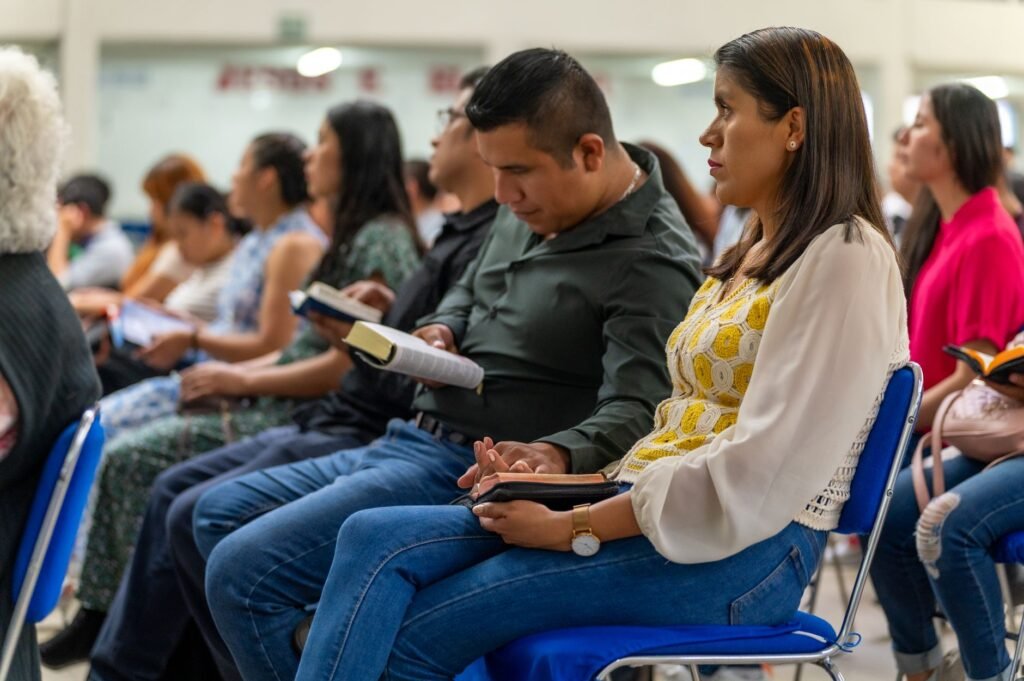
The Weight and Wonder of Parental Stewardship
Parenting is perhaps the most profound, exhausting, and sanctifying responsibility entrusted to human beings. In the eyes of the Christian faith, raising children is not merely a biological necessity or a societal expectation; it is a sacred stewardship. From the very beginning of the biblical narrative, we see the family unit established as a primary vessel for the transmission of truth and the display of God’s glory. When we look at the responsibility of parents, we are not looking at a manual for perfect behavior management, but rather a guide for how to shepherd souls toward the grace of God. The task is immense, often inducing a sense of inadequacy, yet it is precisely in that inadequacy that we find the sufficiency of Christ.
The scriptures provide a framework that elevates parenting from a chore to a calling. When we consider the lives of figures like Abraham, who was tasked with commanding his children and his household after him to keep the way of the Lord, we see that the primary goal is not just the production of well-adjusted citizens, but the cultivation of a legacy of faith. This responsibility requires a deep reliance on the Holy Spirit, as the wisdom needed to navigate the complexities of a child’s heart far exceeds our own natural capacity. As we examine the biblical mandates, we must remember that our ultimate goal is to point our children toward the truth of the gospel, recognizing that while we plant and water, it is God who gives the growth.
Understanding this responsibility requires us to balance the weight of the task with the freedom of grace. Many parents struggle under the crushing burden of perfectionism, fearing that one wrong step will derail their child’s future. However, the Bible consistently points us toward a model of parenting characterized by repentance, humility, and ongoing trust in God. We are not called to be saviors to our children; we are called to be witnesses of the Savior. By grounding our parenting in the scriptures, we find the strength to persevere through the trials of child-rearing, knowing that our efforts are part of a much larger, divine story that spans generations and reaches into eternity.
The Foundation of Discipleship in the Home
The core of parental responsibility is found in the mandate for discipleship. In Deuteronomy 6:6-9, the Israelites were instructed to impress the commandments of God upon their children, talking about them when they sat at home, when they walked along the road, when they lay down, and when they got up. This passage illustrates that discipleship is not a compartmentalized activity reserved for Sunday mornings; it is a lifestyle of constant, intentional interaction with the truth of God. This requires parents to be students of the word themselves, as we cannot pass on what we do not possess. The responsibility is to weave the narrative of God’s redemptive work into the ordinary rhythms of daily life.
This discipleship model is deeply rooted in the concept of wisdom. Proverbs 22:6 reminds us to train up a child in the way he should go, and even when he is old, he will not depart from it. While this is often interpreted as a promise of guaranteed outcomes, many scholars and theologians suggest it is better understood as a proverb—a general principle of wisdom regarding the long-term impact of godly instruction. Different Christian traditions hold varying views on the nature of this verse, with some emphasizing the sovereignty of God in the child’s eventual response, while others focus on the parent’s duty to provide a consistent moral and spiritual compass. Regardless of the theological nuance, the call to intentional training remains a central pillar of the parental mandate.
Discipleship also requires us to model the very traits we hope to see in our children. We cannot teach patience if we are constantly driven by anger, nor can we teach generosity if we are consumed by materialism. The home is a laboratory for character development. When we fail—and we will—our children have the unique opportunity to witness our own need for forgiveness and our reliance on the grace of God. This vulnerability is not a weakness; it is a powerful teaching tool. By showing our children what it looks like to repent and seek restoration, we demonstrate that the Christian life is not about being perfect, but about being forgiven and transformed by the power of the gospel.
Nurturing the Heart Through Grace and Truth
Parenting is a delicate balance of grace and truth. Ephesians 6:4 provides a clear directive to fathers—and by extension, all parents—to bring their children up in the training and instruction of the Lord, without exasperating them. This warning against exasperation is vital. It suggests that our authority as parents must be exercised with compassion and understanding, rather than harshness or arbitrary control. The goal of discipline is never to crush the spirit of the child, but to guide their heart toward the holiness of God. When we discipline, we must do so with a clear eye toward the restoration of the relationship, mirroring the way God disciplines those he loves.
The topic of justice is also relevant here. Parents are the first authorities a child encounters, and through our fairness, consistency, and protection, we provide a tangible, albeit imperfect, reflection of God’s justice. When we treat our children with mercy, we teach them the value of grace; when we uphold boundaries, we teach them the value of truth. This is not always easy. It requires a great deal of patience and the ability to distinguish between a child’s immaturity and a child’s rebellion. Understanding the difference allows us to respond with the appropriate measure of instruction or correction, always keeping the child’s spiritual well-being as the primary focus.
Furthermore, we must address the atmosphere of the home. Colossians 3:20-21 encourages children to obey their parents, but it also instructs parents not to embitter their children, lest they become discouraged. This mutual dynamic suggests that the parent-child relationship is a two-way street of respect and love. We are responsible for creating an environment where our children feel safe enough to ask hard questions and honest enough to share their struggles. By fostering an atmosphere of open communication, we invite our children into a deeper understanding of their own need for salvation and the beauty of the life that is found in Christ.
The Role of Prayer and Trust in the Parenting Journey
Perhaps the most significant responsibility a parent carries is the duty of prayer. We can provide the best education, the most stable home, and the most consistent discipline, but we cannot change a heart. That is the work of the Holy Spirit. Through prayer, we acknowledge our own limitations and invite God’s sovereign hand into the lives of our children. Philippians 4:6-7 encourages us to not be anxious about anything, but in every situation, by prayer and petition, with thanksgiving, present our requests to God. This is the antidote to the anxiety and fear that so often plague parents in a complex and changing world.
When we pray for our children, we are practicing trust. We are placing them in the hands of the One who loves them even more than we do. This is a profound act of humility. It requires us to release our desire for control and accept that our children belong to God first. This perspective is essential for maintaining our own peace. When we realize that the ultimate outcome of our children’s lives is in the hands of the Creator, we are freed from the paralyzing fear of failure. We can focus on being faithful in the present moment, trusting that God is working in ways we cannot see or understand.
Prayer also serves as a model for our children. When they see us turning to God in times of stress, seeking his guidance for our decisions, and offering gratitude for his blessings, they learn that faith is a practical, living reality. They see that God is not a distant concept, but a present help in times of trouble. This is the essence of discipleship—living out our faith in such a way that it becomes the natural language of our home. As we pray, we are also interceding for their future, asking that they might grow in wisdom and stature, and that they might come to know the depth of God’s love for themselves.
Navigating the Challenges of Modern Parenting
The challenges of parenting in the modern age are significant, yet the principles of scripture remain timeless. We live in an era of unprecedented distraction, where the values of the world often stand in direct opposition to the values of the kingdom of God. In this context, our responsibility to provide guidance is more critical than ever. We must be intentional about what we allow into our homes and how we spend our time. This is not about building an impenetrable fortress, but about cultivating a heart that is anchored in the truth of the gospel, capable of discerning the difference between the fleeting trends of culture and the eternal realities of God.
Consider the example of Mary, the mother of Jesus. She had to navigate the immense pressure of raising the Son of God, a task that surely brought her both joy and suffering. She had to trust God when the path was unclear and when the world did not understand her son’s mission. Her life reminds us that parenting often involves enduring seasons of uncertainty and pain, yet it also reminds us that God is present in the midst of those trials. Whether we are in the crowded streets of a modern city or the quiet corners of our daily routine, we are called to hold fast to our faith and to trust in the providence of God.
We must also address the importance of humility. Parents often feel the need to have all the answers, but there is great power in admitting when we don’t. When we are willing to say, “I don’t know, let’s look at the Bible together,” we show our children that we are also learners. We model the process of seeking truth, which is a lifelong endeavor. This humility protects us from the danger of pride, which can lead to a rigid, legalistic approach to parenting that pushes children away rather than drawing them toward Christ. By maintaining a teachable spirit, we remain open to the correction of the Holy Spirit and the insights of our community, ensuring that our parenting remains rooted in grace.
The Legacy of Faith and the Hope of the Gospel
Ultimately, the goal of parenting is to pass on a legacy of faith that outlasts our own lives. We see this throughout the Bible, where the faithfulness of one generation sets the stage for the next. The stories of the people of God are stories of families—of parents and children who, despite their flaws and failures, were used by God to accomplish his purposes. Whether it was the journey of the Israelites from Egypt to the promised land, or the quiet, faithful lives of families in Nazareth, the thread of God’s redemptive plan is woven through the fabric of family life. Our responsibility is to be faithful stewards of that thread, ensuring that the gospel remains the central focus of our home.
This legacy is not about perfection; it is about the gospel. It is about showing our children that we are sinners in need of a Savior, and that the same grace that covers us is available to them. When we live in the light of this truth, our homes become places of healing and hope. They become sanctuaries where the brokenness of the world is met with the restorative power of God’s love. This is the greatest gift we can give our children: a clear, consistent, and authentic witness to the reality of Jesus Christ. As we look at the verses on parenting responsibility, we see that they all point toward this one, singular goal: that our children might know, love, and serve the Lord.
As we conclude, let us remember that we do not walk this path alone. We are part of a larger family of faith, a community of believers who are also struggling, growing, and seeking to honor God in their homes. We can find comfort in the fact that God is the ultimate Father, and he is the one who provides the strength, wisdom, and grace we need for every stage of our parenting journey. Let us lean into his promises, trust in his sovereignty, and continue the work of discipleship with joy and perseverance. The responsibility is great, but the reward—the privilege of seeing our children walk in the truth—is eternal.
The Call to Persevere in Love
Parenting is a marathon, not a sprint. There will be days of great joy and days of deep sorrow. There will be moments of clear progress and seasons of apparent stagnation. Through it all, the call remains the same: to love our children with the love of Christ. This means loving them when they are easy to love and loving them when they are difficult. It means loving them through their mistakes and loving them through their rebellion. This kind of love is only possible through the power of the Holy Spirit, who fills us with the capacity to forgive, to be patient, and to persevere.
We must also remember the importance of community. The Bible never envisions parents raising children in isolation. From the early church to the present day, the community of faith has played a vital role in the discipleship of the next generation. We need the support, the wisdom, and the encouragement of other believers. We need to be part of a church family that reinforces the truths we teach at home. When we share our struggles and our victories with others, we find that we are not alone in our journey. We are part of a larger story, and our children are part of that story, too.
Finally, let us keep our eyes fixed on the hope of the gospel. No matter how challenging our parenting journey may be, we have the assurance that God is faithful. He who began a good work in us and in our children will bring it to completion. We can rest in this promise, knowing that our efforts are not in vain. As we continue to seek his face, study his word, and rely on his grace, we can be confident that he is using our imperfect parenting to accomplish his perfect purposes. May we be found faithful in the task he has given us, trusting in his strength and rejoicing in his love, as we raise the next generation to know the glory of his name.
Reflecting on the Divine Pattern
As we reflect on the biblical mandate for parenting, we are reminded that our role is to mirror the heart of God. When we consider the way God relates to his people—with patience, justice, mercy, and unwavering love—we find the blueprint for our own parental responsibilities. We are called to be reflections of his character, demonstrating his holiness and his grace in the way we interact with our children. This is a high calling, one that requires us to constantly return to the source of all wisdom: the word of God. By immersing ourselves in the scriptures, we are transformed, and that transformation inevitably impacts the way we lead our families.
The responsibility of parenting is also an invitation to deeper intimacy with God. Because we are so often pushed to our limits, we are forced to rely on him in ways we might otherwise avoid. We learn to pray more fervently, to trust more deeply, and to seek his guidance more consistently. In this way, our children become the means by which God sanctifies us. They reveal our pride, our impatience, and our need for his grace, and in doing so, they drive us to the cross. This is the beauty of the parenting journey: it is a process of mutual growth, where both parent and child are being shaped into the image of Christ.
Let us move forward with courage, knowing that we are equipped for every good work. We have the word of God as our guide, the Holy Spirit as our helper, and the community of faith as our support. We have the hope of the gospel, which assures us that our failures are covered by grace and our efforts are empowered by his strength. Let us embrace the responsibility of parenting as a sacred calling, a journey of faith that is worth every ounce of energy and every moment of devotion. May our homes be places where the truth of God is cherished, where the grace of God is experienced, and where the next generation is raised to love and serve the Lord with all their hearts, souls, and minds.
The Enduring Impact of Faithfulness
The impact of a faithful home cannot be overstated. When children grow up in an environment where the word of God is honored and the grace of God is practiced, they are given a foundation that will serve them for the rest of their lives. This does not mean they will not face struggles or that they will not have their own questions, but it does mean they will have a frame of reference that is rooted in truth. They will have a place to return to, a standard to measure by, and a source of comfort to rely on. This is the legacy of a faithful parent: to leave behind a generation that knows the Lord.
As we look back on the history of the faith, we see that this legacy has been passed down through countless generations of parents who, despite their own struggles, chose to trust God and to teach their children to do the same. We are part of that long line of witnesses. Our responsibility is to continue that work, to be the next link in the chain, and to ensure that the message of the gospel is passed on to our children. This is the most important work we will ever do, and it is a work that has eternal significance.
Let us commit ourselves to this task with renewed vigor and a heart full of hope. Let us be parents who are known for our love, our patience, and our unwavering commitment to the truth of God. Let us be parents who are quick to repent, slow to anger, and eager to extend grace. And above all, let us be parents who point our children toward the cross, where the ultimate solution to every problem, the ultimate answer to every question, and the ultimate source of every blessing is found. In doing so, we fulfill our calling and bring glory to the One who entrusted these precious lives to our care.
A Final Encouragement for the Journey
To all the parents who are reading this, know that you are seen and you are loved by God. Your work is not hidden from him. Every prayer you whisper, every lesson you teach, every act of patience you demonstrate is recorded in his sight. Do not be discouraged by the challenges of the day, but look forward with hope to the work that God is doing in and through your family. You are part of a grand design, and your faithfulness is a beautiful part of that story. Keep pressing on, keep trusting in his grace, and keep pointing your children toward the hope of the gospel.
Remember that the responsibility of parenting is not a burden you carry alone. You are supported by the prayers of the saints, the guidance of the Holy Spirit, and the promise of God’s presence. You have the freedom to be imperfect, because you have a perfect Savior. You have the freedom to be honest, because you have a God who knows your heart. And you have the freedom to be hopeful, because you have a God who is working all things together for the good of those who love him. This is the foundation upon which you can build your home and raise your children with confidence and joy.
May your home be a place of worship, a center of discipleship, and a sanctuary of love. May your children grow up to be men and women of faith, who carry the legacy of the gospel into the next generation. And may you, as a parent, find deep satisfaction and peace in knowing that you have been faithful to the calling God has placed on your life. Go forth in his strength, walk in his ways, and trust in his promises, for he is faithful who has called you, and he will surely do it. Your labor in the Lord is never in vain, and your witness to your children is a testimony that will echo into eternity.