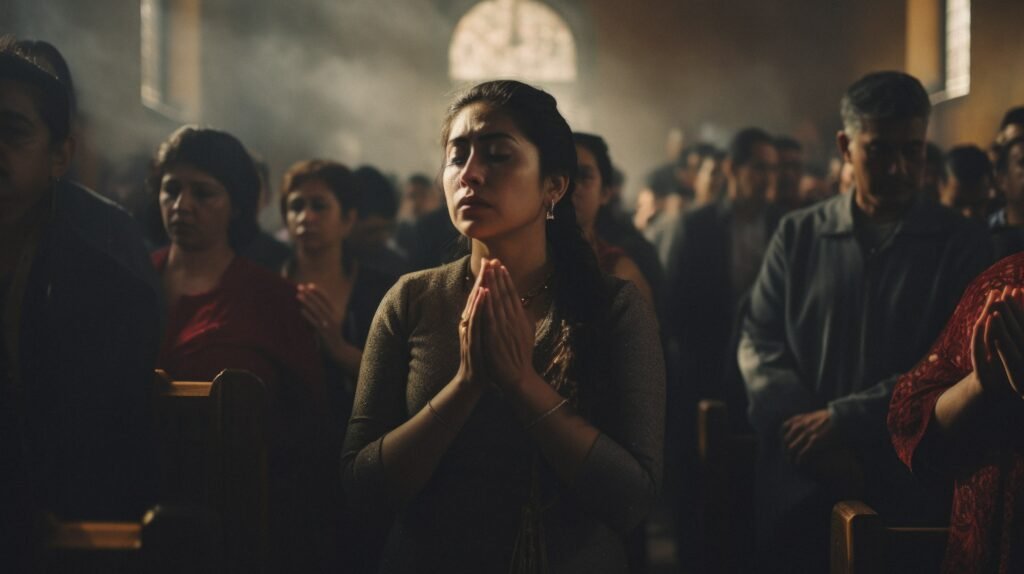
Confession and Repentance: Returning to God’s Grace
Finding our way back to God’s grace can sometimes feel like navigating a labyrinth of guilt and shame. Many of us have experienced moments in our lives when we strayed from our spiritual path, leading us to believe that we were beyond God’s love. However, the concepts of confession and repentance hold the key to unlocking a transformative return to grace. In this blog post, we will delve into these powerful spiritual practices, exploring their significance, how they facilitate healing, and how we can embrace them in our daily lives.
Understanding Confession: A Step Towards Healing
What Is Confession?
Confession is more than merely acknowledging our wrongdoings; it is a heartfelt admission of our imperfection and our need for divine forgiveness. It serves as an essential first step in the journey of repentance, allowing us to take accountability for our actions and recognize the areas in which we have missed the mark.
The Importance of Confession
Engaging in confession provides several vital benefits:
- Surrendering Guilt: Unburdening ourselves from the weight of guilt can be a liberating experience, fostering a sense of relief and releasing the emotional toll that unconfessed sins can impose.
- Fostering Humility: Acknowledging our shortcomings encourages humility, reminding us of our dependence on God’s mercy.
- Building a Relationship: Honest confession nurtures a deeper relationship with God, allowing us to experience His grace more fully.
Example: Many people find that recounting their struggles in a compassionate setting—whether through prayer, spiritual direction, or a faith community—helps them articulate their thoughts and emotions, making it easier to confront what they need to confess.
The Role of Repentance: Turning Away from Sin
What Is Repentance?
Where confession is about acknowledgment, repentance is about action. It involves a genuine decision to turn away from sin and strive for a more righteous path. This transformation of heart and mind is essential in returning to God’s grace.
Steps to Genuine Repentance
To truly embrace repentance, consider the following steps:
- Acknowledge: Recognize and admit your actions that have caused a rift in your relationship with God.
- Feel Remorse: Take time to feel the weight and consequence of your actions. This isn’t about wallowing in guilt but about developing a sincere desire to change.
- Make Amends: When possible, seek to make reparations for your wrongs—this could involve apologizing to those affected or simply resolving to do better in the future.
- Commit: Set intentions for positive changes in your behavior, habits, and mindset, consistently asking for God’s guidance along the way.
The Importance of Community Support
Engaging with a community can be tremendously helpful in your journey of repentance. Sharing experiences, participating in accountability groups, or simply having a trusted friend to confide in can offer encouragement and wisdom as you navigate this spiritual process.
The Beauty of Returning to God’s Grace
Returning to God’s grace is a profound experience characterized by transformative love and forgiveness. Here are a few essential reminders to encourage you on this journey:
Unconditional Love
God’s grace is not conditional upon our perfection. Instead, it is rooted in unconditional love. Knowing that we are truly forgiven can be incredibly freeing:
- No Sin Is Too Great: No matter how far we stray, God welcomes us back with open arms.
- New Beginnings: Each act of confession and repentance can mark a fresh start in our spiritual journey.
Living in Grace
Once we have confessed our sins and turned to God in repentance, it is essential to embrace a life lived in His grace. This involves not only accepting forgiveness but also embodying that grace in our interactions with others.
- Practice Forgiveness: Just as we are forgiven, we are called to forgive others.
- Cultivate Gratitude: Daily acknowledgment of God’s blessings can deepen our appreciation for His grace.
Conclusion: Embracing the Journey Back to Grace
Confession and repentance are not merely acts of desperation; they are conscious choices we make to restore our relationship with God. They invite us to acknowledge our shortcomings, turn towards love, and embrace the transformational power of grace.
As you navigate your own spiritual journey, remember that no matter how far you may stray, the embrace of God’s grace is always available. With each step, you can return to a state of grace, one of profound peace and love. Embrace confession and repentance, and allow them to be the tools that guide you back home. Remember, God’s grace is waiting for you; all you need to do is take the first step.