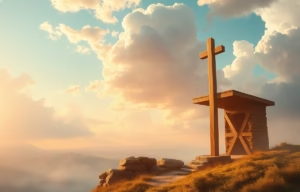
How God Reveals Himself Through Scripture and Creation
The quest to understand the divine has captivated humanity for centuries. In various religious traditions, believers find themselves drawn to two primary means through which God reveals His nature: Scripture and Creation. While these may seem distinct, they share a profound intersection where the essence of faith and the wonders of the world converge. This blog post will explore how each mechanism provides insight into the character of God, with the aim of deepening your understanding and appreciation of His revelation.
Understanding Divine Revelation
Before diving into the specifics of Scripture and Creation, it’s essential to grasp the concept of divine revelation. Divine revelation refers to how God chooses to make Himself known to humanity. This process can be categorized into two main ways:
- General Revelation: Knowledge about God that can be gleaned from nature and the cosmos.
- Special Revelation: Knowledge about God that is communicated through specific means, notably religious texts and events.
Both forms serve to illustrate the multifaceted nature of God and initiate a connection between the divine and the created.
Scripture as a Medium of Divine Revelation
The Significance of Scripture
For millions, sacred texts such as the Bible serve as the primary source of divine knowledge. The Bible comprises various literary genres, including poetry, history, prophecy, and parables, all of which articulate God’s message to humanity.
Key Aspects of Scriptural Revelation:
- Historical Context: Scripture is not just a collection of ancient documents; it unfolds the history of God’s relationship with humanity. Examples include the creation narrative in Genesis, the covenant with Abraham, and the life and teachings of Jesus Christ.
- Moral Guidance: Through commandments, parables, and teachings, Scripture provides ethical frameworks for living. The Ten Commandments, for instance, reflect God’s character and expectations for human behavior.
- Promise and Hope: Scripture reveals God’s plans for humanity, including promises of redemption and hope. Passages like Jeremiah 29:11 emphasize God’s intention for prosperity and a future filled with hope.
Engaging with Scripture
To fully grasp the nature of God through Scripture, consider the following practices:
- Regular Reading: Set aside time daily or weekly to engage with the texts.
- Group Study: Discuss and explore interpretations with others to gain different perspectives.
- Contextual Understanding: Research the historical and cultural backgrounds of the passages to enrich comprehension.
Creation as a Reflection of Divine Nature
The Wonders of Creation
While Scripture provides explicit revelations about God, creation serves as a canvas showcasing His artistry and majesty. Psalm 19:1 states, “The heavens declare the glory of God; the skies proclaim the work of his hands.” This verse beautifully encapsulates how the natural world communicates fundamental truths about its Creator.
Attributes of God Revealed Through Creation
- Power and Majesty: The grandeur of mountains, the vastness of oceans, and the complexity of ecosystems reflect God’s immense power.
- Order and Design: The intricacies of nature—from the delicate balance of ecosystems to the predictable patterns of celestial bodies—illustrate God’s intentional design.
- Beauty and Creativity: Diverse landscapes, flora, and fauna showcase the God of creativity, inspiring awe and admiration.
Experiencing God in Creation
To truly perceive the divine in nature, consider these approaches:
- Nature Walks: Spend time outdoors, observing and reflecting on the beauty and complexity of creation.
- Mindfulness in Nature: Practice mindfulness, allowing the sights and sounds of nature to attune your senses to the presence of God.
- Photography and Art: Capture moments of beauty through art—such as painting or photography—as a form of worship and appreciation.
The Intersection of Scripture and Creation
The connection between Scripture and Creation is profound and transformative. Both serve to reveal God’s character and purposes; they are complementary rather than contradictory.
Harmonizing Insights
- Shared Themes: Both Scripture and creation emphasize themes like love, justice, and hope. For instance, the created world reflects God’s love through the beauty and sustenance it provides, while Scripture commands believers to love their neighbors.
- Creation as a Living Parable: Nature often serves as a metaphor in Scripture, illustrating complex theological concepts in tangible ways. Jesus’ parables frequently draw on agricultural imagery, allowing listeners to grasp spiritual truths through familiar experiences.
Conclusion: Embracing the Divine Revelation
Understanding how God reveals Himself through both Scripture and Creation invites us into a deeper relationship with Him. By engaging with these two essential mediums, we can discern His nature, comprehend His aspirations for humanity, and appreciate the incredible world He has made.
As you embark on your journey of faith, be intentional about exploring both Scripture and the wonders of nature. Allow these avenues of revelation to foster your understanding and strengthen your spiritual walk. In doing so, you’ll find not just knowledge, but a living relationship with the Creator who seeks to make Himself known to you in every word and every sunrise.