How Jesus’ Death and Resurrection Bring Us Forgiveness and New Life
In the grand narrative of Christianity, the death and resurrection of Jesus Christ stand at the heart of the message of hope and redemption. For millions around the world, these pivotal events are not just historical occurrences; they represent the core of their faith. But how exactly do these events lead us to forgiveness and new life? Let’s delve into this profound topic to uncover the transformative power of Christ’s sacrificial love.
Understanding the Need for Forgiveness
Before we can appreciate the significance of Jesus’ death and resurrection, it is essential to understand why forgiveness is necessary. Here are a few key points that unravel this need:
The Concept of Sin
- Separation from God: Sin is viewed as a rebellion against God’s will, leading to a spiritual rift between humanity and its Creator.
- Consequences of Sin: The Bible teaches that “the wages of sin is death” (Romans 6:23), indicating that sin leads to spiritual death and separation from a relationship with God.
Our Search for Redemption
- Humanity’s Struggle: Mankind has a historical struggle with sin, seeking fulfillment in various ways that ultimately fall short.
- Desire for Connection: Deep within, individuals yearn for restoration, desiring to reconnect with the divine essence of love and grace.
The Significance of Jesus’ Death
When we explore the death of Jesus, we are led to understand its profound implications for forgiveness.
A Sacrificial Lamb
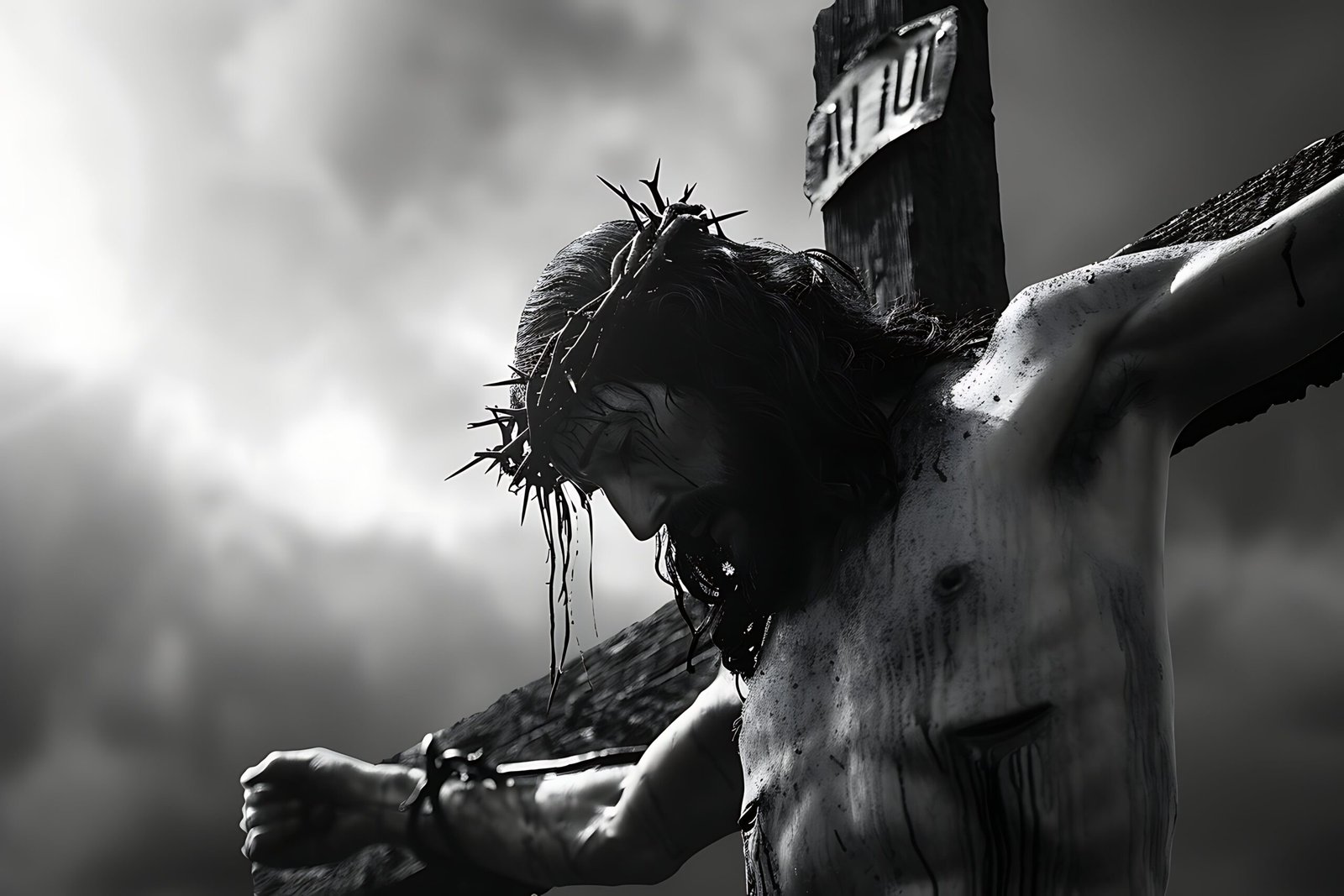
In the New Testament, Jesus is often referred to as the “Lamb of God.” His death serves as the ultimate sacrifice:
- Fulfillment of Prophecy: Jesus’ crucifixion fulfills Old Testament prophecies regarding the Messiah as a sacrificial offering for sin (Isaiah 53).
- Substitutionary Atonement: By dying in our place, Jesus takes upon Himself the punishment that we deserve, thus satisfying God’s justice and extending grace.
The Act of Forgiveness
- A New Covenant: Through His death, Jesus established a new covenant, making it possible for believers to receive forgiveness of sins (Matthew 26:28).
- An Open Invitation: The gift of forgiveness is available to everyone, regardless of past mistakes, as stated in 1 John 1:9: “If we confess our sins, He is faithful and just to forgive us our sins and to cleanse us from all unrighteousness.”
The Miracle of Resurrection
Jesus’ resurrection is not just an extraordinary event; it is the foundation of Christian hope and the promise of new life.
Defeating Death
- Conquering Sin: The resurrection demonstrates Christ’s authority over sin and death, assuring believers that death is not the end (1 Corinthians 15:55).
- Hope of Eternal Life: Jesus’ victory promises eternal life for those who believe in Him. As He states in John 11:25, “I am the resurrection and the life. He who believes in Me will live, even though he dies.”
The Transformative Power of New Life
- Raised to New Beginnings: Just as Jesus rose from the dead, believers are offered a new life in Him, characterized by spiritual rebirth (2 Corinthians 5:17).
- Empowered Living: The resurrection empowers Christians to live according to God’s purpose, providing the strength to overcome sin and pursue righteousness.
Applying This Understanding to Our Lives
The death and resurrection of Jesus are vital truths that can have a transformative impact on our daily lives. Here’s how:
Embracing Forgiveness
- Personal Reflection: Take time to acknowledge your own shortcomings and seek the forgiveness that Jesus offers.
- Extending Grace: As we receive forgiveness, we are called to extend that grace to others, fostering relationships rooted in love and understanding.
Living in New Life
- Daily Renewal: Embrace the concept of dying to self daily to experience the fullness of life that Christ provides.
- Community Engagement: Join a community of believers who can support you in your journey of faith, serving one another as Christ served us.
Conclusion: A Journey of Transformation
The story of Jesus’ death and resurrection is one not only of sacrifice and victory but also of deep personal impact. For those who accept this gift, it signifies a journey of forgiveness and a new life filled with purpose, meaning, and hope. As we celebrate these central events in Christianity, may we be reminded of the unconditional love and grace bestowed upon us through the ultimate act of redemption. Whether you are exploring faith or deeply rooted in your beliefs, remember that this transformative power is available to all. Say yes to forgiveness, embrace new life, and experience the profound love that comes through Jesus Christ.