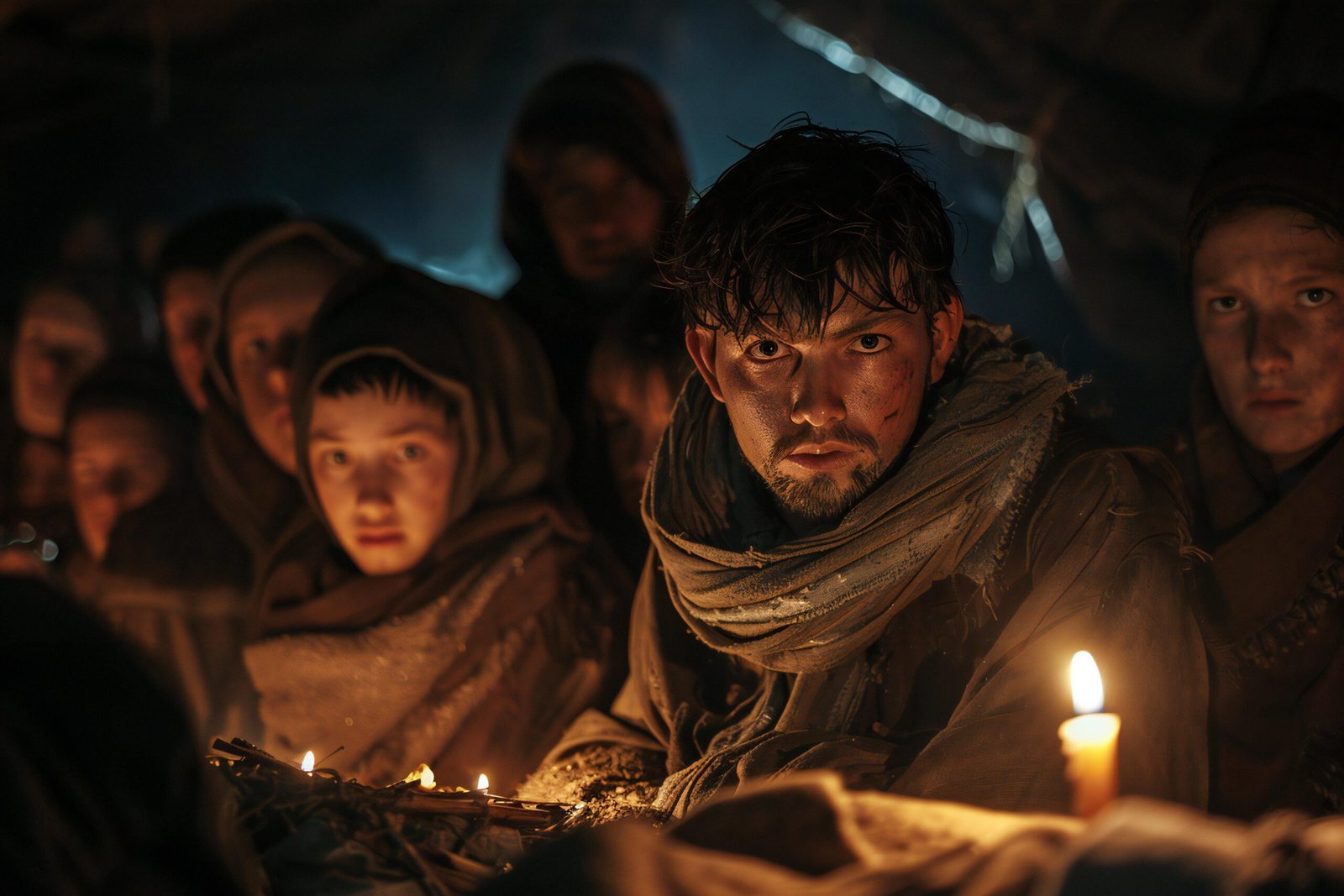
Persecution and Perseverance: How the Early Church Grew Through Trials
The story of the early Christian church is not merely a tale of faith and miracles; it is also one of resilience, courage, and unyielding determination amidst persecution. In their pursuit of spreading the gospel, early Christians found themselves often at the mercy of social and political upheaval. Yet, it was within these trials that the church grew stronger and more vibrant than ever. In this blog post, we’ll explore the complex dynamics of persecution and perseverance in the early church and how these challenges ultimately contributed to its exponential growth.
The Context of Persecution
Understanding the Early Church
The early church, emerging in the tumultuous landscape of the Roman Empire, faced numerous adversities. This was a time when religious pluralism was the norm, and the worship of multiple gods was widely accepted. Here are a few factors contributing to the persecution of Christians:
- Religious Exclusivity: Early Christians professed that Jesus Christ was the one true God, rejecting the pantheon of Roman deities, which made them targets in a polytheistic society.
- Political Tensions: Christianity was viewed with suspicion by Roman authorities as it often threatened the status quo and undermined traditional Roman values.
- Scapegoating: In times of crisis, Christians were frequently blamed for disasters such as fires, famines, and plagues, leading to increased hostility.
Key Persecutions Faced
Among the most troubling episodes of persecution were:
- The Great Fire of Rome (64 AD): Emperor Nero blamed Christians for this catastrophic event, leading to widespread torture and execution.
- The Decian Persecution (249-251 AD): Emperor Decius mandated a sacrifice to the Roman gods, forcing Christians to choose between their faith and survival.
- The Diocletian Persecution (303-311 AD): This was the most systematic and brutal campaign against Christians, with records indicating countless deaths and imprisonments.
Perseverance Amidst Trials
Building a Strong Foundation
Despite such intense persecution, the resilience exhibited by early Christians was remarkable. A few key factors helped maintain their faith and fostered growth:
- Community Support: The early church emphasized community. Believers banded together, providing mutual support, sharing resources, and offering comfort during trials.
- Leadership and Apostolic Guidance: Leaders such as the Apostles Peter, Paul, and John played crucial roles in nurturing and guiding early Christians. Their letters are filled with encouragement, advice, and theological teachings that fortified believers during tough times.
- Witness Through Martyrdom: Rather than quailing under pressure, many Christians faced persecution with calmness and bravery, often choosing martyrdom over renouncing their faith. This steadfastness inspired others and brought significant attention to their core beliefs.
Creative Means of Evangelism
During periods of persecution, the church employed innovative strategies for spreading the gospel:
- Underground Worship: Early Christians held secret meetings to avoid detection. This encouraged intimate gatherings where deeper discussions about faith could occur.
- Use of Symbols: They adopted symbols like the fish (Ichthys) for covert identification, allowing them to connect with one another without fear of identification.
- Written Accounts of Faith: Letters and epistles circulated among the believers, sharing stories, teachings, and encouragement. These written accounts eventually formed part of the New Testament.
Transformative Impact of Persecution
Surprisingly, persecution often resulted in church growth. For instance:
- Dispersal of Believers: Many fled to new regions, bringing their faith along and establishing new churches. This was evident in the spread of Christianity beyond Jerusalem and into Asia Minor, Europe, and beyond.
- Cultural Exchange: As Christians interacted with different cultures during their dispersal, they adapted their message to resonate with diverse audiences, fostering inclusivity and expansion.
Lessons Learned from the Early Church
Building Resilience in Modern Times
The struggles of the early church provide valuable lessons for contemporary believers:
- Unity in Adversity: Just as early Christians leaned on one another, modern believers can find strength in community during difficult times.
- Courage in Faith: Standing firm in one’s beliefs amid societal pressures is as essential now as it was then.
- Innovative Outreach: Adopting new methods and technologies—like social media and online gatherings—can help spread messages of hope effectively, even in challenging environments.
The Power of Testimony
The stories of early Christians facing persecution are timeless reminders of the power of faith. Sharing personal testimonies, just as they did, can inspire others and lead to broader conversations about spirituality and resilience.
Conclusion
The early church’s journey through persecution showcases the tremendous perseverance found within the human spirit. It highlights how trials, rather than solely being obstacles, can act as catalysts for growth and renewal. As believers navigate their own challenges today, the lessons learned from the early church remain relevant. They remind us that resilience, community support, and unwavering faith can lead to transformative growth in both personal lives and wider communities. In a world often rife with difficulty, the legacy of the early church stands as a beacon of hope and tenacity—encouraging us all to rise above adversity.