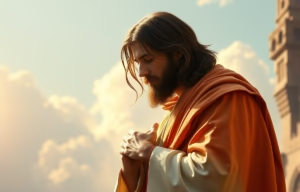
The Consequences of Sin and God’s Redemption Plan
Life is a journey filled with choices, and each choice we make can lead to various outcomes—some positive, others with grave consequences. In a spiritual context, sin represents those choices that lead us away from God and His will for our lives. The concept of sin, its consequences, and the divine redemption plan offered by God can profoundly impact our understanding of morality, purpose, and forgiveness. This blog post will explore the nature of sin, its consequences, and how God’s redemption plan offers hope and restoration.
Understanding Sin
What is Sin?
Sin can be defined as any action, thought, or behavior that goes against God’s laws and moral standards. It encompasses a wide range of activities, from minor wrongdoings to profound injustices. In Christianity, sin is seen as the fundamental separation from God, creating a rift in our relationship with the divine.
Types of Sin
To understand its consequences, it’s important to differentiate between types of sin:
- Original Sin: The fallen state of humanity inherited from Adam and Eve, which affects all humans.
- Personal Sin: Individual acts of wrongdoing that can be classified into:
- Venial Sins: Lesser offenses that weaken our relationship with God.
- Mortal Sins: Serious transgressions that can sever that relationship entirely unless repentance is sought.
The Nature of Sin
Understanding sin involves recognizing several key aspects:
- Disobedience: Sin is fundamentally about turning away from God’s commands.
- Consequences: Every sin has inherent consequences, both immediate and eternal.
- Accountability: Each individual is responsible for their actions and decisions.
The Consequences of Sin
Spiritual Consequences
One of the most significant impacts of sin is its effect on our relationship with God. Sin creates a barrier:
- Separation from God: The most profound consequence of sin is spiritual death—being disconnected from God’s grace.
- Loss of Peace: Sin leads to inner turmoil and conflict; an unsettled heart struggles to find peace.
Societal Consequences
Sin doesn’t just affect individuals; it ripples through communities and societies. Some societal consequences include:
- Broken Relationships: Sin can foster conflict among family, friends, and neighbors.
- Injustice: Widespread sin leads to societal issues such as poverty, violence, and discrimination.
- Moral Decay: The normalization of sin can erode the foundational values of a society.
Emotional and Psychological Consequences
The weight of sin can also manifest in emotional and mental health challenges:
- Guilt and Shame: These feelings can lead to anxiety, depression, and a sense of hopelessness.
- Escaping Consequences: Many individuals turn to unhealthy coping mechanisms, such as substance abuse or destructive behaviors, to avoid addressing their sins.
God’s Redemption Plan
The Nature of Redemption
God’s redemption plan is rooted in His love and mercy. Through Jesus Christ, God offers humanity a path to restoration:
- Grace: Redemption is a free gift from God, not something we can earn through good works.
- Forgiveness: Regardless of the depth of our sin, God invites us to repent and seek His forgiveness.
Key Elements of God’s Redemption Plan
- Repentance: Acknowledging our sins and turning away from them is essential for receiving God’s grace.
- Faith in Jesus Christ: Believing in Jesus as the Savior is the cornerstone of redemption.
- Transformation: Upon accepting God’s offer, individuals often experience a spiritual transformation, marked by new desires and a renewed purpose.
- Living in Community: Growth and accountability often happen in the context of community—church, friends, or family who support our journey of faith.
Conclusion
The consequences of sin are profound and far-reaching, affecting our relationship with God, our communities, and even our inner emotional states. However, God’s redemption plan stands as a beacon of hope. It offers the promise that no one is beyond the reach of God’s grace and forgiveness. By acknowledging our sins, embracing repentance, and placing our faith in Jesus Christ, we can experience a transformative journey from separation to restoration.
In a world where consequences may seem overwhelming, understanding sin through the lens of personal accountability and divine love can guide us towards healing and reconciliation. The journey of repentance and redemption is not just about turning away from sin but also about moving toward a purpose-filled life in Christ, full of hope, faith, and promise.
If you find yourself grappling with the weight of sin, remember—it’s never too late to embrace the redemption God lovingly offers.