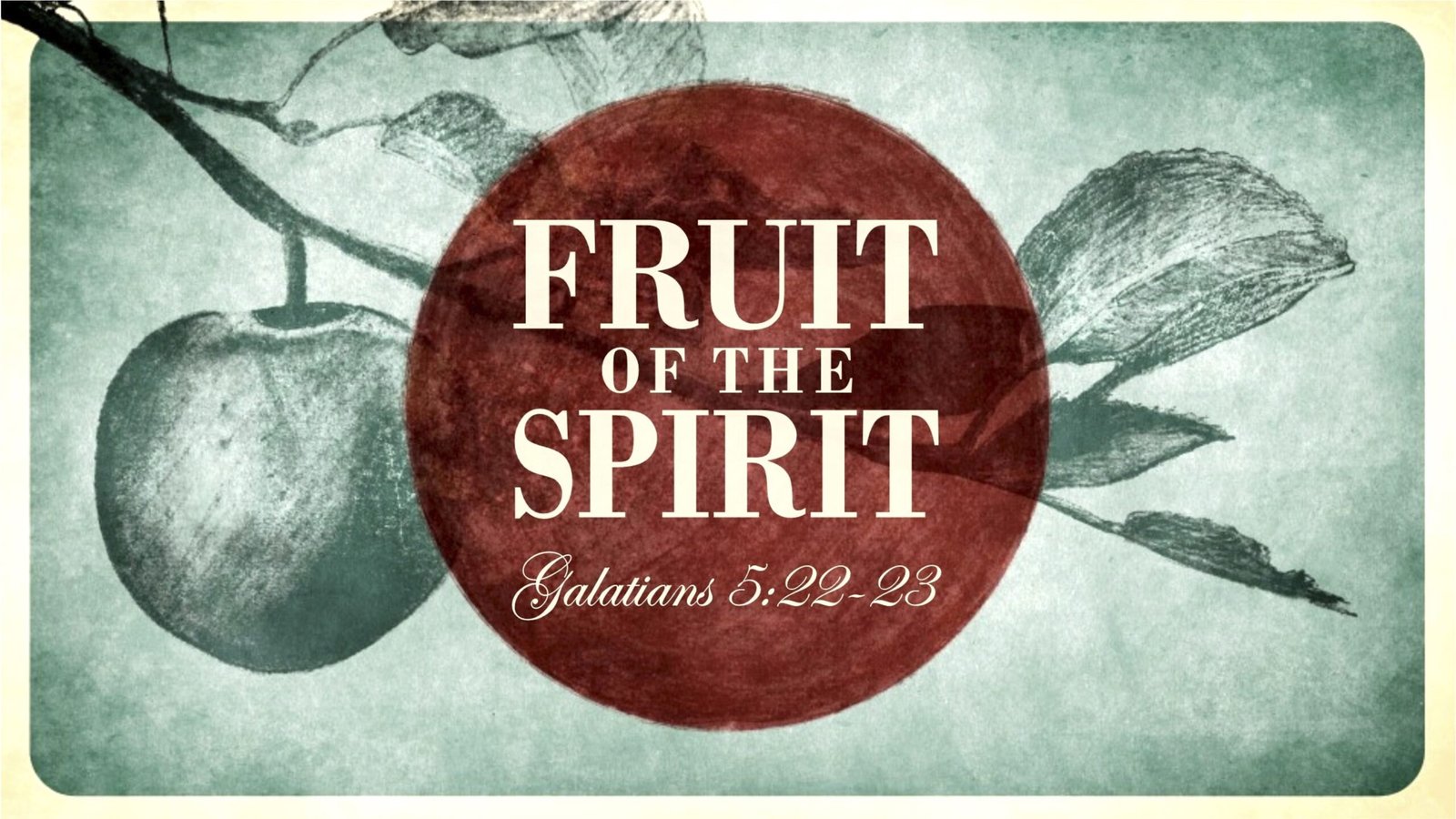
The Fruit of the Spirit: Living a Spirit-Led Life
In a world that often celebrates individual ambition over collective kindness, the concept of living a Spirit-led life can sound both intriguing and daunting. Many people desire to lead lives full of peace, joy, and purpose but may feel overwhelmed by the demands of daily life. Enter the “Fruit of the Spirit,” a biblical principle found in Galatians 5:22-23 that serves as the foundation for living a holistic and fulfilling life. This post will explore what it means to embody the Fruit of the Spirit and how it can transform your life and community.
What is the Fruit of the Spirit?
The Fruit of the Spirit refers to nine attributes mentioned in the New Testament that believers should cultivate in their lives as evidence of their faith. Here’s a quick overview of these nine fruits:
- Love
- Joy
- Peace
- Patience
- Kindness
- Goodness
- Faithfulness
- Gentleness
- Self-control
These fruits are not merely traits to strive for; they are the natural manifestations of a life guided by the Holy Spirit. When we embrace these qualities, we align our lives with God’s purpose and experience profound change within ourselves and our relationships.
Understanding Each Fruit
To grasp the essence of living a Spirit-led life, it’s beneficial to understand each of the nine fruits more deeply.
1. Love
Love is the foundation of all other fruits. It’s selfless, unconditional affection towards others, epitomized in the life of Jesus. In living out love, we place the needs of others before our own.
2. Joy
Joy transcends mere happiness; it’s a deep-rooted sense of well-being and elation regardless of circumstances. Cultivating joy can come from gratitude, appreciation of life’s beauty, and fostering healthy relationships.
3. Peace
Peace involves a sense of tranquility and the absence of conflict—from within ourselves and in our interactions with others. Practicing forgiveness and learning to let go of anger and grudges can foster this essential fruit.
4. Patience
In a fast-paced world, patience can seem like a rare virtue. It requires us to endure difficult circumstances and remain calm under pressure. Building mindfulness and practicing empathy towards others helps develop patience.
5. Kindness
Acts of kindness create ripples of positivity. It can be as simple as a warm smile or as profound as supporting a friend in need. Kindness is contagious and often leads to a more compassionate community.
6. Goodness
Goodness reflects moral integrity and the desire to do right by others. Engaging in charitable acts and choosing ethical behavior reinforces this quality in our character.
7. Faithfulness
Faithfulness is about remaining loyal and trustworthy, be it in relationships or commitments. It’s about building a reputation that others can rely on, which strengthens community bonds.
8. Gentleness
Gentleness involves approaching situations and people with care and respect rather than harshness. It emphasizes being considerate in our dealings and responding with compassion.
9. Self-control
Self-control is perhaps one of the most challenging fruits to cultivate. It requires discipline and the ability to resist impulses or temptations. Establishing healthy habits and accountability in our lives greatly aids this process.
How to Cultivate the Fruit of the Spirit
Living a Spirit-led life is an ongoing journey. Here are several practical steps to cultivate these fruits in your daily routine:
1. Daily Reflection
Take time each day to reflect on your actions and attitudes. Ask yourself, “Am I embodying the Fruit of the Spirit?”
2. Prayer and Meditation
Engage in regular prayer or meditation, asking for guidance to allow these qualities to flourish in your life.
3. Read and Study Scripture
Spend time in biblical study to deepen your understanding of how these fruits are presented in the life of Jesus and the apostles.
4. Surround Yourself With Supportive Communities
Join a group or community that encourages spiritual growth and open dialogue about living out these values.
5. Practice Gratitude
Start a gratitude journal to help focus on the positives in your life, which can be an excellent foundation for cultivating joy, love, and peace.
6. Serve Others
Engaging in acts of service can instill kindness, goodness, and love, while reinforcing your commitment to living a Spirit-led life.
Conclusion: Embracing a Spirit-Led Life
Living a Spirit-led life filled with the Fruit of the Spirit can drastically change your personal landscape and your relationship with others. It’s not about striving for perfection but about progress—learning, growing, and allowing the Holy Spirit to work within you. As you navigate life’s challenges and joys, remember that embodying these fruits not only enriches your own experience but can positively impact everyone around you.
So, why not embark on this transformative journey of faith today? Embrace the challenge, and let the fruits of the Spirit guide you to a richer, more meaningful life. After all, the world could always use more love, joy, and kindness, don’t you think?