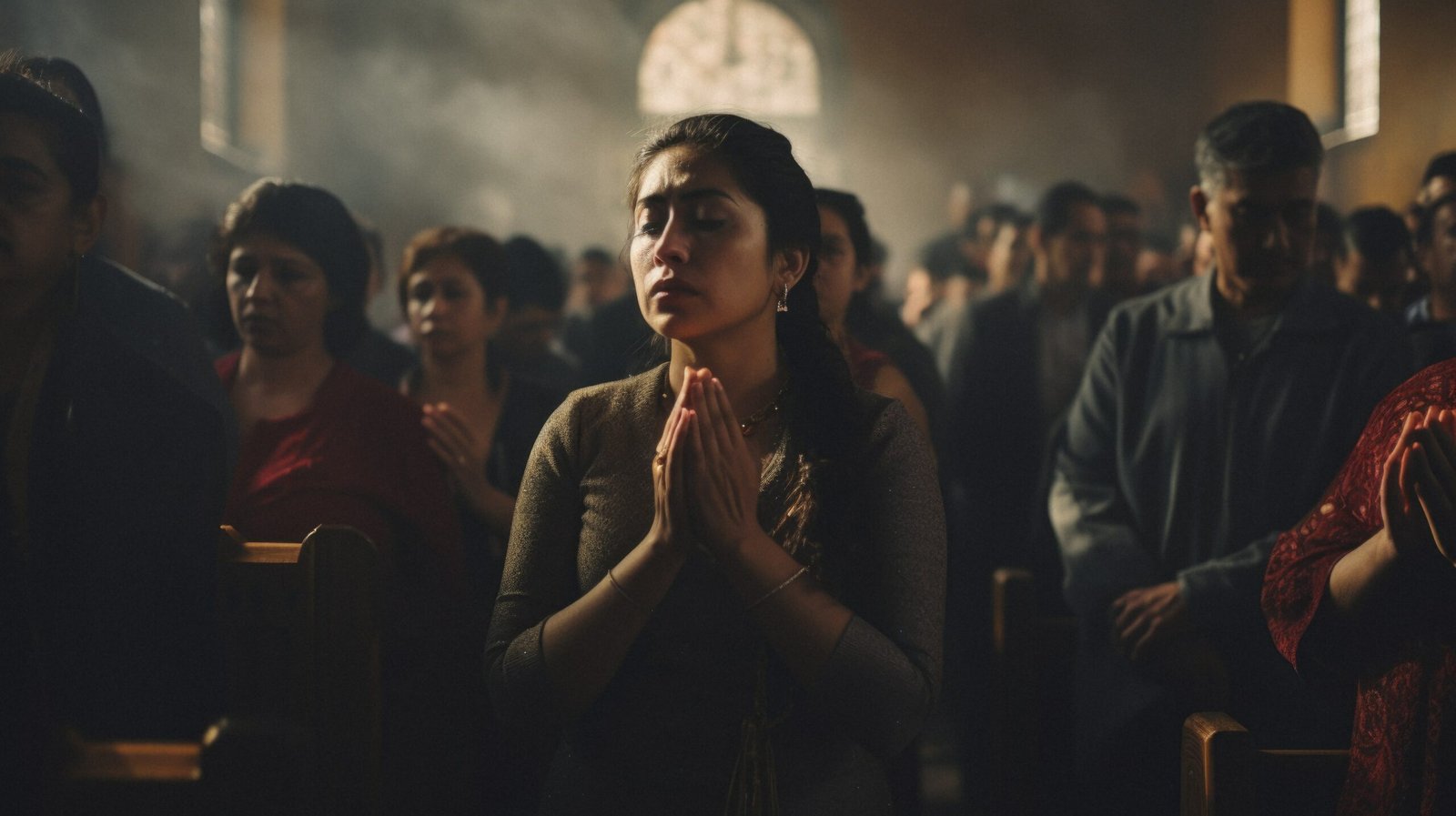
The Power of Prayer: Connecting with God Daily
In a world that often feels chaotic and overwhelming, the act of prayer remains a powerful anchor for many. It transcends religious boundaries and cultural norms, providing individuals with a unique way to connect with their spirituality, articulate their hopes, and seek guidance. But what exactly does it mean to pray, and how can we incorporate this profound practice into our daily lives? In this blog post, we’ll explore the transformative power of prayer, different forms of prayer, and practical tips for cultivating a deeper connection with God each day.
Understanding the Nature of Prayer
Prayer is more than merely reciting words or following a ritual. At its core, it is an intimate conversation with God, a heartfelt expression of thoughts, desires, and emotions. This spiritual dialogue can take many forms, ranging from structured prayers recited in a congregation to spontaneous conversations conducted in silence.
The Purpose of Prayer
Understanding why we pray can enhance our practice and make it more meaningful. Here are some of the primary purposes of prayer:
- Connection: Prayer fosters a personal connection with God, allowing believers to feel His presence in their lives.
- Support: It provides emotional support during difficult times, offering comfort and solace amidst life’s challenges.
- Guidance: Through prayer, individuals seek wisdom and clarity, helping to navigate choices and dilemmas with a divine perspective.
- Gratitude: Expressing thanks through prayer reinforces positive thinking and a sense of appreciation for life’s blessings.
Different Forms of Prayer
Prayer can take on many forms, each serving its unique purpose and appeal. Here are a few common types of prayer that individuals may incorporate into their daily routine:
1. Spontaneous Prayer
Often informal and unstructured, spontaneous prayer is a personal and intimate way to communicate with God. This type of prayer can occur at any time and place, serving as a way to express immediate feelings, concerns, or gratitude.
2. Structured Prayer
Many religious traditions offer structured prayers that include set words or formats. Examples include:
- The Lord’s Prayer: A foundational Christian prayer that encapsulates essential themes of faith and petition.
- Salah: Islamic prayers performed five times a day, structured in specific movements and recitations.
3. Meditative Prayer
Meditation combined with prayer can deepen one’s spiritual experience. It involves quieting the mind, reflecting, and being present in God’s presence. This form encourages mindfulness and allows for a more profound connection.
4. Intercessory Prayer
This type of prayer focuses on requesting God’s help for others. It emphasizes compassion and community, strengthening one’s empathetic ties with family, friends, and communities.
Tips for Praying Daily
Incorporating prayer into your daily routine doesn’t have to be time-consuming or complicated. Here are some practical tips to make prayer a regular part of your life:
Set Aside Dedicated Time
- Morning Ritual: Start your day with prayer to set a positive tone and seek guidance for the hours ahead.
- Evening Reflection: Wind down your day by reflecting on your experiences. This is also a great time to express gratitude.
Create a Comfortable Space
Find a peaceful spot in your home where you feel comfortable and can focus. It could be a corner with a chair, a cozy blanket, or even a quiet outdoor area. Make it your personal prayer sanctuary.
Engage with Scripture
Incorporating scripture readings into your prayer time can enhance your experience. Read a passage and take time to meditate on its meaning, allowing it to guide your prayer.
Use Prayer Journals
Consider keeping a prayer journal where you can jot down your thoughts, prayers, and any insights you receive. This practice helps track your spiritual journey and reflects how your prayer life evolves over time.
Join a Prayer Group
Sharing the experience with others can be powerful. Find a local prayer group at your church or community center where you can pray together, support one another, and cultivate spiritual growth.
Conclusion
The power of prayer is monumental, offering a consistent lifeline to those who seek a deeper connection with God. By embracing its various forms, understanding its purpose, and committing to a regular practice, individuals can experience spiritual growth and transformation. As you embark on this journey, remember that prayer is not about perfection; it’s about sincerity. So, take a moment each day—whether through structured words, spontaneous conversations, or meditative silence—to connect with God. Discover the peace, guidance, and joy that comes from nurturing this divine relationship.