The Trinity Explained: Understanding the Father, Son, and Holy Spirit
The concept of the Trinity is a foundational element of Christian theology, yet it can be perplexing, even for seasoned believers. What do we mean when we speak of the Father, the Son, and the Holy Spirit as one divine entity? How can three distinct persons coexist as one God? In this blog post, we will unravel the intricacies of the Trinity, providing clarity on its significance and implications for believers today.
What is the Trinity?
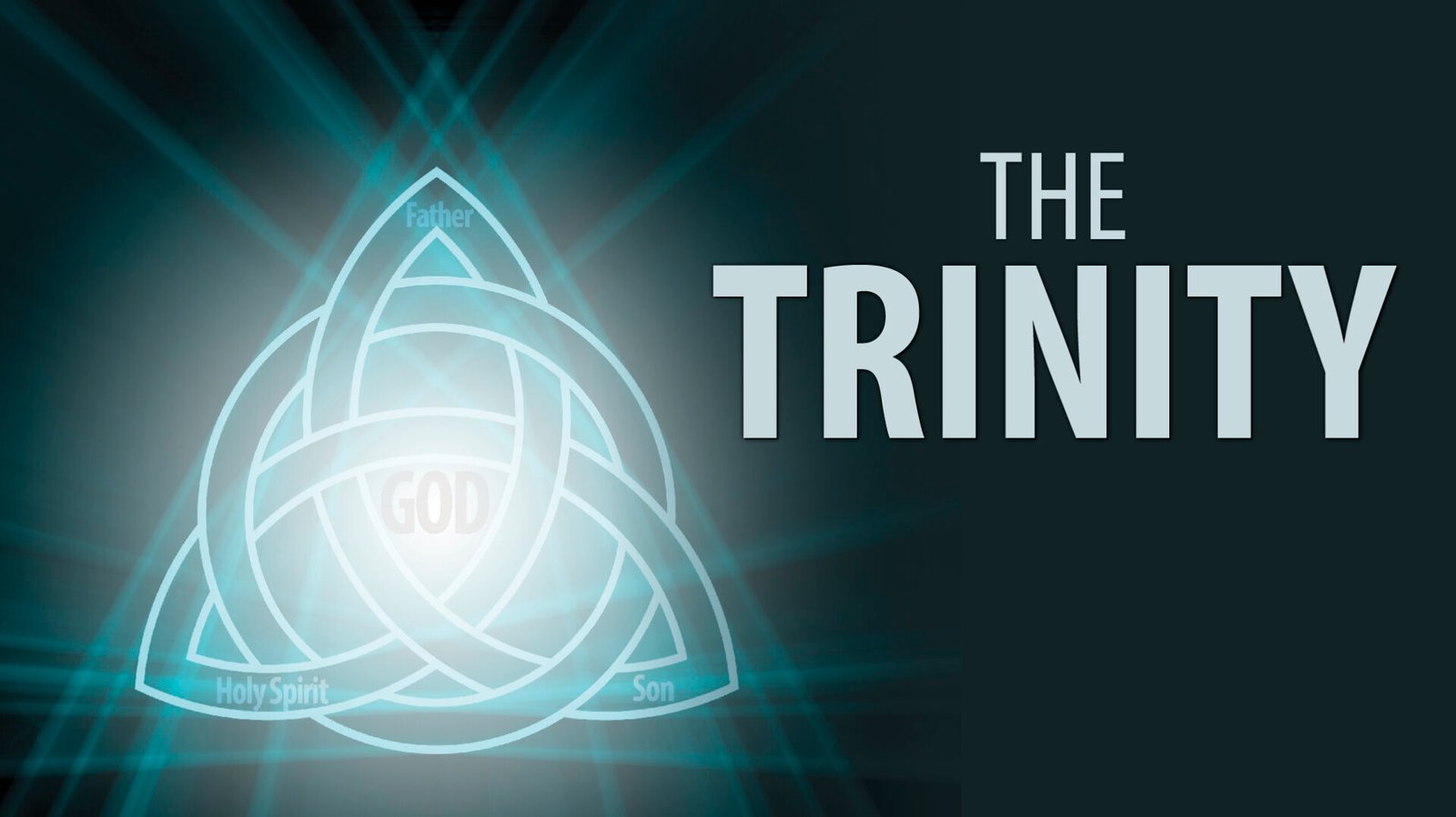
The Trinity refers to the Christian doctrine that defines God as one essence in three distinct persons: God the Father, God the Son (Jesus Christ), and God the Holy Spirit. This belief is rooted in biblical teachings and has been pivotal to understanding the nature of God and His relationship with humanity.
Key Components of the Trinity
- One God: The Trinity emphasizes monotheism; there is only one God who exists eternally in three persons.
- Three Distinct Persons: Each of the three persons possesses unique attributes and roles, yet they are all fully, completely, and equally God.
- Co-equal and Co-eternal: The Father, Son, and Holy Spirit are not hierarchically structured; they exist together eternally without beginning or end.
Understanding the Father
Who is God the Father?
God the Father is the creator and sustainer of the universe. He is portrayed as a loving and just figure who desires a personal relationship with humanity. In the Bible, the Father is often depicted in metaphors that resonate with human experience.
Attributes of God the Father
- Creator: He is recognized as the maker of heaven and earth (Genesis 1:1).
- Loving: 1 John 4:8 states that God is love, emphasizing His unconditional affection towards His creation.
- Provider: Matthew 6:26 illustrates how He cares for even the smallest creatures, highlighting His providence.
Understanding the Son
Who is God the Son?
God the Son, or Jesus Christ, is the incarnation of God in human form. His life, death, and resurrection form the cornerstone of Christian faith. Serving as both fully God and fully man, Jesus bridges the gap between humanity and God.
Key Events in the Life of Jesus
- Birth: Celebrated at Christmas, the incarnation signifies God entering human history.
- Crucifixion: Understanding Jesus’ sacrificial death is crucial, as it represents the payment for humanity’s sins.
- Resurrection: The resurrection from the dead confirms Jesus’ divinity and the promise of eternal life to His followers.
Understanding the Holy Spirit
Who is God the Holy Spirit?
The Holy Spirit is often seen as the active presence of God in the world today. He plays a vital role in the lives of believers, guiding, empowering, and comforting them.
Roles of the Holy Spirit
- Comforter: Often referred to as the Helper or Advocate, the Holy Spirit provides guidance and reassurance (John 14:26).
- Convictor: The Spirit leads individuals to recognize sin and turn toward God for forgiveness (John 16:8).
- Empowerer: Acts 1:8 describes how the Holy Spirit empowers believers to spread the gospel.
Common Misconceptions About the Trinity
The Wrong Views
Despite its significance, the Trinity can sometimes be misunderstood, leading to a variety of misconceptions.
- Modalism: This view asserts that God is one person who has revealed Himself in three different modes. This is incorrect, as it undermines the distinctiveness of each person of the Trinity.
- Tritheism: This perspective suggests that the Father, Son, and Holy Spirit are three separate gods, which contradicts the monotheistic foundation of Christianity.
Biblical Basis
Several scripture passages affirm the concept of the Trinity, including:
- Matthew 28:19: Jesus commands His followers to baptize “in the name of the Father, and of the Son, and of the Holy Spirit.”
- 2 Corinthians 13:14: The Apostle Paul conclusively presents all three persons together in his blessing.
The Importance of the Trinity Today
The doctrine of the Trinity is not just a theological abstraction; it impacts everyday Christian life and worship.
Relationship with God
Understanding the Trinity:
- Deepens Worship: Recognizing each person of the Trinity enriches our approach to worship, as we can engage with God in different ways.
- Informs Prayer: Knowing how to relate to each person offers insight into effective prayer life, addressing the Father, communicating with Jesus, and seeking the guidance of the Holy Spirit.
- Community and Unity: The interrelationship within the Trinity exemplifies the perfect model for Christian community—unity without uniformity.
Conclusion
The Trinity is a profound mystery that encompasses the richness of Christian faith. By understanding the distinct yet harmonious roles of the Father, Son, and Holy Spirit, believers can engage more deeply in their spiritual lives. Embracing the Trinity invites us into a more authentic relationship with God, enhancing both our worship and everyday interactions. As you navigate your journey of faith, remembering this divine relationship not only enriches your understanding of Christianity, but also transforms the way you experience God in your life.
In a world where clarity can often be hard to find, grasping the concept of the Trinity is essential for a robust understanding of the Christian faith. Embrace the mystery, celebrate the fullness of God’s presence, and discover how the Father, Son, and Holy Spirit work together for our transformation and redemption.