What Is the Trinity and Why It Matters
The concept of the Trinity is one of the most intriguing and foundational doctrines in Christianity. For many, it can seem elusive—a combination of mystery, theology, and faith. Whether you’re a long-time believer, a seeker exploring the Christian faith, or simply curious about religious doctrines, understanding the Trinity is essential for grasping the broader Christian worldview. In this blog post, we’ll break down what the Trinity is, why it matters, and how it influences the lives of Christians around the globe.
Understanding the Trinity
The Definition of the Trinity
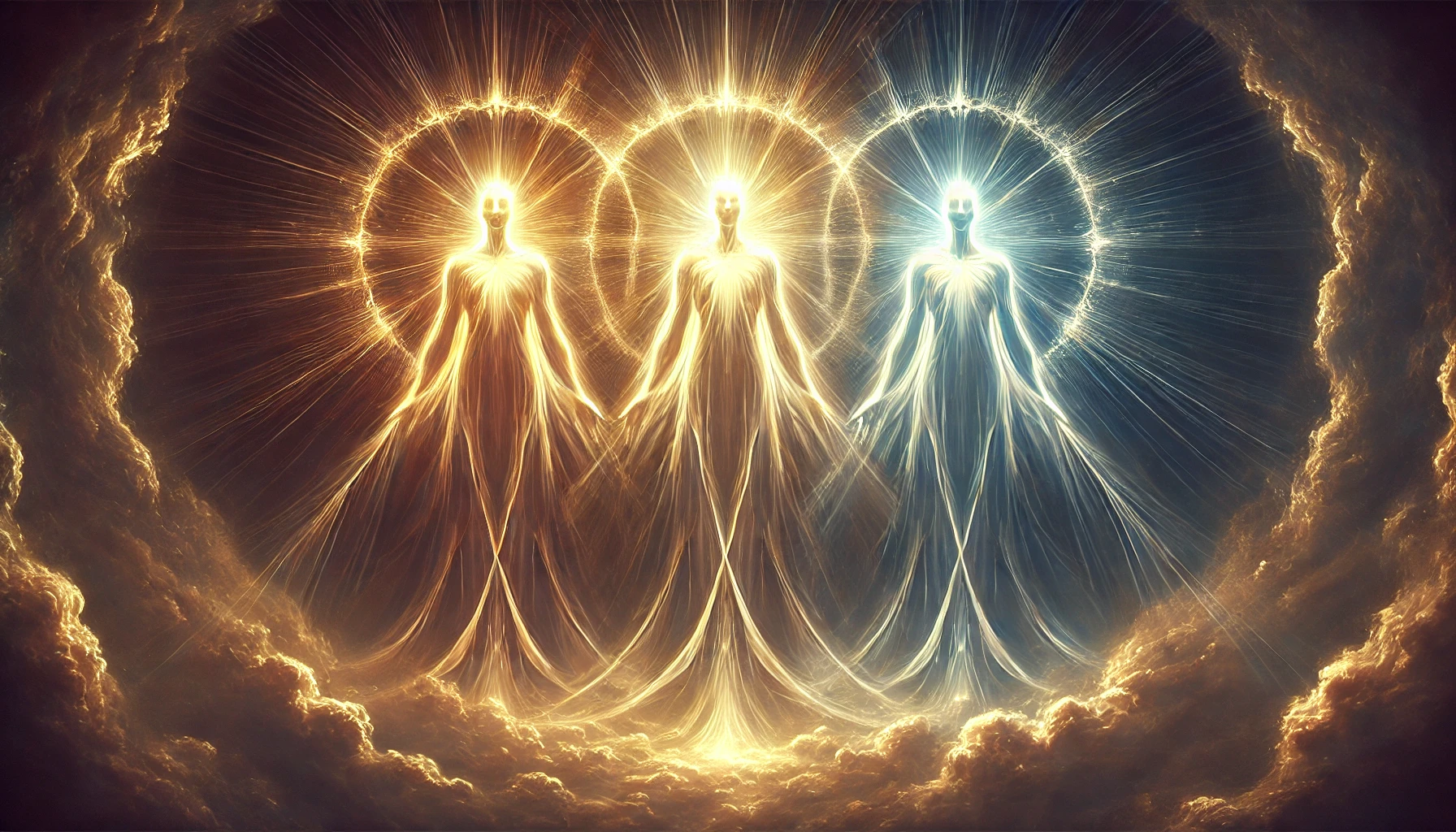
At its core, the Trinity refers to the Christian belief that God exists as three distinct persons in one divine essence:
- The Father – The creator and sustainer of the universe. Often associated with the Old Testament, the Father represents authority, love, and guidance.
- The Son (Jesus Christ) – The incarnation of God in human form, who, through His life, death, and resurrection, provided redemption for humanity.
- The Holy Spirit – The active presence of God in the world today, empowering believers, guiding them, and fostering spiritual growth.
Biblical Foundations of the Trinity
The concept of the Trinity is supported by various Scripture passages:
- Matthew 28:19 states, “Go therefore and make disciples of all nations, baptizing them in the name of the Father and of the Son and of the Holy Spirit.”
- 2 Corinthians 13:14 mentions, “The grace of the Lord Jesus Christ, the love of God, and the fellowship of the Holy Spirit be with you all.”
- John 1:1-14 presents Jesus as both God and man, affirming His dual nature.
These verses and others illustrate the complexity of the Trinity, showing how each person operates with distinct roles but remains unified in essence.
Why the Trinity Matters
1. A Deeper Understanding of God
Grasping the Trinity invites believers into a more profound relationship with God. Rather than viewing God as a singular entity, the Trinity showcases His relational nature:
- Communal Love: The love shared between the Father, Son, and Holy Spirit serves as a model for human relationships.
- Nature of God’s Revelation: Understanding how each person of the Trinity interacts with humanity enriches our perception of who God is.
2. Importance of Salvation
The Trinity has significant implications for the Christian understanding of salvation:
- The Father’s Plan: God the Father devised the plan of salvation before the foundation of the world.
- The Son’s Sacrifice: Jesus, as the Son, enacted that plan by offering Himself as the ultimate sacrifice, bridging the gap between humanity and God.
- The Holy Spirit’s Work: After Jesus’ ascension, the Holy Spirit empowers believers, inspires scripture, and convicts hearts towards faith.
In essence, understanding the Trinity instills the profound significance of Jesus’ actions and the ongoing spiritual work of the Holy Spirit.
3. Community and Fellowship
A vital aspect of Christian life is the emphasis on community. The Trinity exemplifies perfect unity and fellowship, with each person interacting and participating in divine love. This serves as a model for personal relationships within the church and beyond:
- Encouragement of Unity: Believers are called to emulate the unity within the Godhead, fostering love and support among fellow Christians.
- Service and Adoration: The Trinity reminds believers that worship is not solitary; it involves an acknowledgment of God’s multifaceted nature.
Common Misconceptions About the Trinity
Despite its foundational importance, the Trinity often generates confusion. Here are some common misconceptions and clarifications:
- Not Three Gods: The Trinity is one God in three persons—not three separate gods. This is known as monotheism.
- Not Just Roles: The three persons of the Trinity are not merely roles that God plays. Each person is fully and completely God.
- Logical Fallacy: Some argue that the Trinity is logically contradictory; however, it transcends human logic and embraces divine mystery.
Conclusion
The Trinity is not just a theological concept; it’s a vital lens through which we can understand our relationship with God. By recognizing the distinct roles of the Father, Son, and Holy Spirit, we open ourselves to a deeper and more personal experience of grace, love, and transformation.
Understanding the Trinity shapes our worldviews, impacts our faith, and influences our relationships, both with God and others. As you explore this profound doctrine, remember that the Trinity is an invitation into the rich relational life of God—a life that believers are called to reflect in their own communities.
By grasping the essence of the Trinity, we not only gain doctrinal insight but also experience the profound depths of divine love that impacts our lives every day. Whether you’re just beginning your journey of faith or deepening your understanding, the Trinity matters immensely, and embracing it can lead to true spiritual growth and transformation.