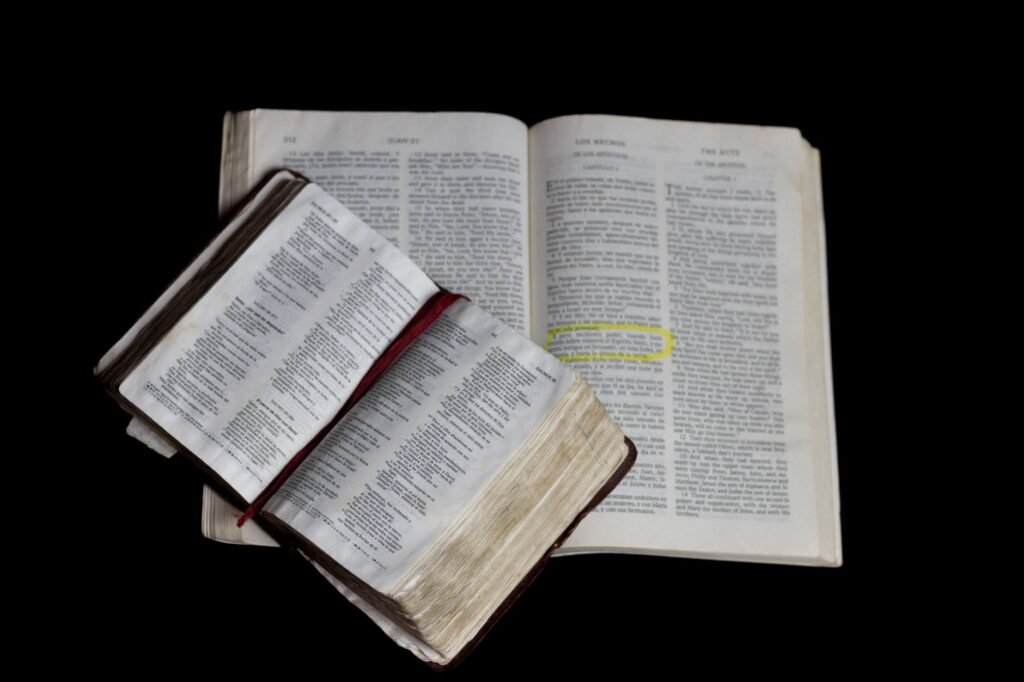
A Call to Remember and Honor
As we approach Veterans Day, our hearts turn toward those who have stepped forward to serve their nations, often at great personal cost. For the Christian, this day is more than a cultural observance; it is an opportunity to reflect on the themes of sacrifice, duty, and the pursuit of peace. The Bible offers a profound framework for understanding the nature of service and the weight of the burdens carried by those who have walked the path of a soldier. When we look at the lives of those who served, we are reminded of the complexities of living in a fallen world while seeking to uphold justice and protect the vulnerable.
In considering the lives of veterans, we do not merely look at the mechanics of military service, but at the heart of the individual who made a commitment to something larger than themselves. This commitment reflects a shadow of the ultimate service rendered by Christ, who laid down his life for the sake of others. As we explore the scriptures, we find that the concepts of courage and sacrifice are deeply woven into the narrative of faith, providing comfort to those who have seen the realities of conflict and offering guidance to those who seek to honor them. Throughout this study, we will examine how the principles of the kingdom of God speak to the experience of the veteran, providing a foundation of hope and healing that transcends the shifting tides of human history.
The Biblical Foundation of Courage
Courage is a central theme in the biblical narrative, often defined not as the absence of fear, but as the willingness to act in accordance with truth despite the presence of overwhelming circumstances. We see this clearly in the life of David, who faced giants and armies with a reliance on God that defined his leadership. His experiences on the battlefield were not merely historical footnotes; they were moments where his faith was tested and refined. The strength he demonstrated was rooted in his understanding that the battle belonged to the Lord, as we read in 1 Samuel 17:47. This perspective is vital for veterans today, who may grapple with the weight of their own experiences and the memories of the conflicts they faced.
The call to courage is not limited to the physical battlefield; it is an invitation to walk in obedience to God in every season of life. When we consider the narrative of Joshua, we see a leader commanded to be strong and courageous because the Lord was with him wherever he went, as noted in Joshua 1:9. This promise of divine presence is the ultimate source of comfort for the veteran. Whether in the heat of active duty or the quiet reflection of civilian life, the assurance that God does not abandon his people provides a bedrock of stability. Christian traditions have long debated the nature of just war and the role of the believer in state-sanctioned violence, yet there is a broad, ecumenical consensus that those who serve in the spirit of protection and self-sacrifice deserve our deepest respect and prayers.
Finding Peace Amidst the Memories
The transition from military service to civilian life often involves navigating the echoes of past experiences, which can sometimes manifest as anxiety and fear. The Bible is not silent on these human struggles. Instead, it offers a compassionate approach to the weary soul, inviting us to cast our cares upon the One who sustains us. In Philippians 4:6-7, we are encouraged to bring our requests to God through prayer, with the promise that the peace of God, which surpasses all understanding, will guard our hearts and minds. This promise is particularly poignant for veterans who may be wrestling with the psychological and emotional remnants of their service.
Peace, in the biblical sense, is not merely the absence of conflict; it is the presence of wholeness and restoration. It is the shalom of God that brings order to the chaos of our inner lives. When veterans reflect on their time in service, they may find themselves searching for meaning in the face of suffering. The Scriptures provide a space for this lament, as seen in the Psalms, where the writers frequently bring their raw, unfiltered emotions before the throne of grace. By acknowledging the reality of their journey and bringing it to God, veterans can find the beginning of healing. We must remember that God is close to the brokenhearted, a truth emphasized in Psalm 34:18, providing a sanctuary for those who have seen the darker side of human existence.
The Virtue of Service and Sacrifice
Service is a foundational element of the Christian life, modeled perfectly by the Savior who came not to be served, but to serve, as stated in Mark 10:45. This principle resonates deeply with the ethos of the military, where the needs of the unit and the nation often take precedence over personal comfort. When we honor veterans, we are recognizing a tangible expression of this sacrificial love. While the motivations for military service can be diverse, the act of placing one’s life in harm’s way for the sake of others reflects a core value that aligns with the biblical call to love our neighbors as ourselves, as commanded in Mark 12:31.
However, it is important to acknowledge the tension that exists between the kingdom of God and the kingdoms of this world. While some Christian denominations advocate for absolute pacifism based on the teachings of the Sermon on the Mount, others uphold the tradition of ‘just war’ theory, which argues that the use of force can be a necessary, albeit tragic, instrument of justice to protect the innocent. Regardless of where one falls on this spectrum, there is a shared recognition that the sacrifice of the individual soldier is a heavy burden. We can honor their service by supporting their well-being and by striving for the peace that God desires for all nations. By practicing generosity and compassion toward those who have sacrificed, we embody the love of Christ in a tangible way.
Reflecting on the Sovereignty of God
In times of uncertainty, it is easy to lose sight of the bigger picture, yet the Bible consistently points us back to the sovereignty of God over all human history. From the ancient paths of Israel to the modern landscape of our world, God remains the ultimate authority. Even when the world feels fragmented and chaotic, we can find stability in the truth that God is working out his purposes, as suggested in Romans 8:28. This perspective does not minimize the pain or the complexity of war, but it provides a horizon of hope. For the veteran, understanding their service within the context of God’s providence can be a powerful tool for finding closure and purpose.
The story of Moses serves as a compelling example of a leader who was called to navigate complex political and military challenges while remaining tethered to the heart of God. His life reminds us that even when we feel overwhelmed by the magnitude of our responsibilities or the consequences of our actions, we are never outside of God’s grace. As we consider the contribution of veterans, we are reminded that they, too, are part of a larger story—a story that includes the struggle for justice and the longing for a world where swords are beaten into plowshares, as envisioned in Isaiah 2:4. This prophetic hope is the anchor of our faith, reminding us that while we honor the service of today, we look forward to the ultimate peace that only God can bring.
Community, Unity, and the Church
The experience of the veteran is often one of deep connection with fellow service members, a bond forged in the crucible of shared trial. The church, at its best, should mirror this sense of community, offering a place where veterans feel seen, heard, and supported. In Ephesians 4:3, we are urged to maintain the unity of the Spirit in the bond of peace. This requires the church to be an intentional space of welcome, where the unique experiences of those who have served are acknowledged with humility and grace. Many veterans find that the transition back to civilian life is difficult precisely because they lose that sense of brotherhood and mission; the local congregation can play a vital role in filling that void.
Furthermore, the church has a responsibility to foster an environment where the complexities of service can be discussed without fear of judgment. This involves creating space for stories to be shared, for questions to be asked, and for the heavy burdens of the past to be laid down at the foot of the cross. By practicing the ministry of presence, we can offer the comfort that the Apostle Paul speaks of in 2 Corinthians 1:3-4, where he describes God as the Father of mercies and God of all comfort, who comforts us in all our affliction so that we may be able to comfort those who are in any affliction. This cycle of receiving and giving comfort is the heartbeat of a healthy, Christ-centered community.
Gratitude as a Spiritual Discipline
Gratitude is more than just a polite response; it is a spiritual discipline that aligns our hearts with the goodness of God. On Veterans Day, we are called to practice this discipline by acknowledging the sacrifices made by others. When we express our thanks to those who served, we are participating in a larger act of worship, recognizing that the freedoms and stability we often take for granted have been purchased at a high price. The Bible is filled with calls to give thanks in all circumstances, as written in 1 Thessalonians 5:18, and this includes being thankful for the people who have stood in the gap to protect our communities.
This gratitude should also lead us to action. It is not enough to simply offer words of thanks once a year; we are called to practice generosity and care for those who may be struggling with the aftermath of their service. Whether through supporting programs for veterans, engaging in advocacy, or simply being a listening ear, we can put our faith into practice. By doing so, we honor not only the individual veteran but also the God who created them and who sustains them through every trial. Let us be a people who are quick to remember, slow to judge, and abundant in our expressions of love and respect for those who have walked the path of service.
Looking Toward the Ultimate Hope
As we conclude our reflections, we must keep our eyes fixed on the ultimate hope of the Christian faith: the return of Christ and the establishment of his kingdom of perfect peace. All our human efforts to secure justice and maintain order, while noble and necessary, are precursors to the final restoration of all things. The veteran’s sacrifice is a testament to the fact that we live in a world that is broken and in need of redemption. When we look at the cross, we see the ultimate veteran—the one who fought the battle against sin and death on our behalf, securing the victory that allows us to live in hope, as affirmed in 1 Corinthians 15:57.
This hope does not diminish the value of the service rendered by our veterans; rather, it elevates it. It places their actions within the grand narrative of God’s redemptive work. We honor them because we recognize the dignity that God has placed upon every human life, and we recognize the courage it takes to protect that dignity in the face of conflict. As we navigate the complexities of our world, let us hold fast to the truth that God is the final judge and the ultimate healer. May we be a people who honor the service of others with sincerity, who provide comfort to the weary, and who live in the light of the hope that one day, all wars will cease and peace will reign forevermore. As we carry these thoughts forward, let us remember the words of Psalm 46:1, which reminds us that God is our refuge and strength, a very present help in trouble. This is the promise that sustains the veteran, and it is the promise that sustains us all as we journey together toward the kingdom of God.
In the final analysis, the observance of Veterans Day is a call to align our hearts with the heart of God. It is a time to move beyond the surface-level expressions of patriotism and delve into the deeper, more profound realities of what it means to live in a world that is both fallen and redeemed. It is a time to acknowledge the weight of the sword, the cost of the shield, and the beauty of the peace that we all long for. By turning to the Scriptures, we find the language to express our gratitude, the wisdom to navigate our complexities, and the hope to persevere through the challenges of our time. May this Veterans Day be a catalyst for deeper reflection, more intentional compassion, and a renewed commitment to the work of peace that God has called us all to participate in as his children.
The journey of the veteran is a unique and often difficult path, one that requires a level of resilience that is truly commendable. Yet, it is a path that is not walked alone. The presence of the Spirit, the fellowship of the saints, and the promises of the Word of God provide a constant companion for those who have served. As we honor them, let us also commit ourselves to being a community that reflects the character of God—a community that is patient, kind, and steadfast in its love. In doing so, we not only honor the veterans in our midst but we also bear witness to the transformative power of the gospel, which turns even the most difficult experiences into opportunities for grace and growth. Let us pray for those who have served, for those who are currently serving, and for the families who have walked alongside them, trusting that the Lord who watches over all will be their guide and their protector in all the days to come.
Ultimately, the honor we give to veterans is a reflection of the honor we give to God, the one who is the author of life and the finisher of our faith. When we value the sacrifice of others, we are acknowledging the value that God has placed upon the lives of his children. This realization should move us to live lives of greater purpose, deeper love, and more profound gratitude. As we move forward from this day of remembrance, let us carry the lessons of the past into the future, always looking to the One who is the way, the truth, and the life. May the peace of God, which transcends all understanding, guard our hearts as we continue to seek his face and follow his lead in all that we do.
We must also remember that the stories of our veterans are part of the tapestry of our collective history, a history that is marked by the tension between the desire for peace and the reality of conflict. By engaging with these stories, we gain a deeper understanding of the human condition and a greater appreciation for the grace that allows us to find beauty even in the midst of brokenness. Let us continue to listen, to learn, and to love, knowing that in doing so, we are participating in the work of God’s kingdom on earth. May our lives be a testament to the truth that we are never forgotten, never alone, and always held in the hands of the One who gave everything so that we might have life in abundance, as promised in John 10:10.
As we conclude this reflection, let us take a moment to offer a prayer for those who have served. Let us ask God to grant them peace in their minds, healing in their hearts, and a deep sense of belonging in their communities. Let us pray that they would know the depth of God’s love for them, a love that is wider and deeper than any experience they have encountered. And let us commit ourselves to being a people who do not just remember the sacrifices of the past, but who work actively toward the peace of the future, trusting in the sovereign grace of the Almighty. This is our calling, our challenge, and our hope as we reflect on the significance of Veterans Day in the light of the gospel.
The road ahead may be uncertain, but the foundation upon which we stand is firm. By anchoring ourselves in the truth of Scripture, we can navigate the complexities of our world with wisdom and grace. Whether we are veterans ourselves or those who seek to honor them, we are all part of a larger, divine story that is being written by the hand of God. Let us embrace our role in that story with humility and courage, knowing that our labor is not in vain in the Lord, as encouraged in 1 Corinthians 15:58. May we walk in the light of his truth, and may his peace be upon all who seek to serve him with their whole hearts, minds, and souls.
Finally, let us hold onto the promise that our God is a God of restoration. No matter what has been lost or what has been endured, there is no depth to which his grace cannot reach. For those who have served, may this truth be a constant source of comfort and strength. For the rest of us, may it be a reminder of our duty to be agents of that same grace in the lives of those around us. As we honor our veterans, let us honor the God who gives us the strength to serve, the wisdom to discern, and the hope to endure until the day when all things are made new. This is the heart of our faith, and this is the hope that sustains us today and always.