The Universal Longing for Liberation
Every human heart, at some point in the journey of life, feels the weight of invisible iron. We often find ourselves bound by habits, trapped by past mistakes, or shackled by the crushing weight of expectations that we cannot possibly meet. The imagery of chains is pervasive in the human experience because it accurately describes the sensation of being held captive by forces that seem stronger than our own willpower. Whether these chains are forged from the fires of regret, the cold steel of anxiety, or the heavy links of habitual sin, the desire for liberation is a universal cry of the soul. We look for keys to unlock our prison cells in self-help books, relationship changes, or professional achievements, yet we often find that the locks remain firmly engaged.
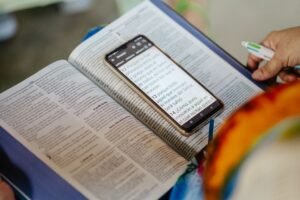
As believers, we turn to the Scriptures not merely for comfort, but for the hard, historical, and spiritual truth about our condition and our cure. The Bible does not shy away from the reality of bondage. From the opening chapters of the Old Testament to the final promises of the book of Revelation, the narrative arc of Scripture is one of rescue. It is the story of a God who hears the groans of the oppressed and descends to break the yoke of the oppressor. When we read passages like Psalm 107:14, we are reminded that God brings people out of darkness and the shadow of death and bursts their bonds apart. This is the foundational hope for every Christian: our liberation is not a result of our own strength, but a divine intervention.
Understanding this theme requires us to look at the nature of the chains themselves. In the Christian tradition, there is a healthy tension in how we interpret the source of our bondage. Some emphasize the internal nature of our sinful desires, pointing to the corruption of the human heart as the primary shackle. Others focus on the external realities of spiritual warfare, highlighting the influence of darkness that seeks to keep the believer from walking in the light of the gospel. While different denominational traditions may emphasize one aspect over the other—some focusing more on the psychological impact of sin and others on the cosmic battle between light and darkness—the consensus remains that only the power of Christ can truly sever the links that bind us. In this study, we will explore how the grace of God works to dismantle these chains, offering us a life of genuine freedom and purpose.
The Historical Pattern of Divine Rescue
To understand what it means to be free, we must look back at the history of God’s people. The quintessential story of liberation in the Bible is the exodus of the Israelites from Egypt. Moses was called by God to confront the most powerful empire of his day, not with an army, but with the word of the Lord. The bondage of the Israelites was not just physical labor; it was a spiritual and cultural entrapment that had lasted for generations. When God acted to deliver them, he did so with a mighty hand and an outstretched arm. This event serves as a prototype for every subsequent act of deliverance in the Bible. It teaches us that God is deeply invested in the freedom of his people and that he is willing to move heaven and earth to bring them into the promised land of his presence.
The journey from Egypt to the Promised Land was not immediate, and the Israelites faced many moments of doubt, fear, and disobedience. Even after their literal chains were broken, they struggled with the mental and spiritual habits of slavery. This is a profound lesson for us today. Often, we are legally free in Christ, yet we continue to live as though we are still under the authority of our old masters. We might be saved from the penalty of sin, but we still feel the pull of our old ways. The history of Israel teaches us that the transition from bondage to freedom requires a renewal of the mind. Just as the people had to learn to trust God in the wilderness, we must learn to trust that the chains of our past have no legitimate claim on our future.
When we look at the life of Moses, we see a man who had to first recognize his own insufficiency before he could lead others to freedom. He was not a natural-born leader, but he was a man who learned to rely on the guidance of God. This pattern is essential for us. When we feel overwhelmed by the chains of anxiety or the patterns of sin, we are invited to look to the one who led his people through the Jordan River into a new life. The God who delivered the Israelites from the house of bondage is the same God who is active in our lives today. His compassion is not a relic of the past; it is a present reality that sustains us through every trial.
Breaking the Chains of Sin and Shame
Sin is perhaps the most pervasive chain that binds the human heart. It is a subtle shackle because it often begins with desires that seem natural or even harmless. However, as the Apostle Paul explains in Romans 6:16, we become slaves to whatever we obey. Whether it is a pattern of anger, a lack of self-control, or the persistent weight of pride, sin has a way of tightening its grip until we feel that we are no longer in control of our own actions. The good news of the gospel is that the death and resurrection of Jesus Christ have broken the power of sin. We are no longer debtors to the flesh, but are invited to live by the power of the Spirit, as described in Romans 8:12-13. This is not a license to live however we please, but a powerful invitation to live in the freedom of holiness.
Shame often acts as the padlock on the chains of sin. It is the voice that tells us we are beyond repair, that our mistakes define our value, and that we must hide our true selves from God and others. Shame thrives in the dark, but the gospel brings everything into the light. When we bring our struggles to God in prayer, we are engaging in the act of repentance, which is the key to unlocking the chains of shame. Repentance is not merely feeling sorry for what we have done; it is a turning away from the path of destruction and a turning toward the grace of God. It is an acknowledgment that our chains are too heavy for us to carry and that we need a Savior to intervene.
Many Christians find themselves trapped in a cycle of trying to perform their way out of their chains. They believe that if they just pray more, serve more, or read the Bible more, they will finally be free. While these practices are essential to the life of discipleship, they are not the price of our freedom. Our freedom was purchased by the blood of Christ. When we realize that our standing before God is based on his grace and not our performance, the power of shame begins to dissipate. We can confess our struggles to one another, knowing that there is no condemnation for those who are in Christ Jesus, as noted in Romans 8:1. This community of grace is where the chains of secrecy are finally broken, allowing us to walk in the light as he is in the light.
The Role of Faith and Trust in Liberation
Faith is the mechanism by which we apply the truth of the gospel to our specific struggles. It is not a vague feeling of optimism, but a firm trust in the promises of God. When we are bound by anxiety or fear, faith is the act of choosing to believe that God is in control, even when our circumstances suggest otherwise. This is not always easy. In the life of the Apostle Paul, we see a man who endured immense suffering, including imprisonment, yet he maintained a perspective that was anchored in the sovereignty of God. In Philippians 4:6-7, he encourages us to bring our requests to God through prayer and petition, promising that the peace of God, which transcends all understanding, will guard our hearts and minds. This is the antidote to the anxiety that seeks to chain us to our worries.
Trust is the quiet, steady work of the soul that keeps us tethered to God during the storms of life. It is easy to trust when everything is going well, but true faith is forged in the fire of difficulty. When we are facing the chains of suffering, we are often tempted to look for shortcuts or to blame God for our predicament. However, the Bible consistently points us toward a deeper trust. We learn to see our trials not as signs of God’s abandonment, but as opportunities for our faith to be refined. As James 1:2-4 suggests, the testing of our faith produces perseverance, which leads to a maturity that is lacking in nothing. This process is rarely comfortable, but it is always purposeful.
The connection between faith and freedom is essential. If we do not believe that God is good, we will not trust him with the very things that are holding us captive. We will try to keep the keys to our own cages, thinking that we can manage our chains better than God can. But the message of the gospel is that we are not meant to carry these burdens alone. Faith is the act of handing over the keys. It is the decision to stop fighting in our own strength and to surrender to the wisdom and power of the Creator. When we trust that God’s plans for us are for our good and not for harm, as expressed in Jeremiah 29:11, we find the courage to let go of the things that have been holding us back.
Overcoming the Chains of Anxiety and Fear
Anxiety is a common experience, but when it becomes a constant companion, it acts like a set of invisible chains that restrict our movement and cloud our vision. It whispers that we are not safe, that the future is bleak, and that we must be constantly vigilant. This fear is a thief; it steals our joy, our ability to be present, and our trust in God’s provision. The Bible addresses this directly by calling us to cast all our anxiety on him because he cares for us, as stated in 1 Peter 5:7. This is a command, but it is also a beautiful invitation to offload the weight that we were never meant to carry.
We must distinguish between the human experience of feeling afraid and the spiritual bondage of fear. Everyone feels fear; it is a natural response to danger. However, when fear begins to dictate our decisions and keep us from obeying God, it has become a chain. The remedy is not to simply ‘stop being afraid,’ but to replace our fear with the truth of God’s love. As 1 John 4:18 reminds us, perfect love casts out fear. When we dwell on the character of God—his faithfulness, his compassion, and his infinite power—the size of our fears begins to shrink in comparison to the size of our God. This is a daily practice of centering our thoughts on the truth rather than the circumstances.
Many people find that their anxiety is rooted in a lack of contentment. We fear that we will not have enough, that we will lose what we have, or that we will not be enough. The practice of gratitude is a powerful weapon against these chains. By intentionally focusing on the blessings we have received, we shift our perspective from what is lacking to what is present. This is not about ignoring our problems, but about recognizing that God is at work even in the midst of them. When we cultivate a spirit of gratitude, we find that the chains of anxiety are loosened, and we are free to experience the peace that passes understanding. This is the peace that guards our hearts and minds, keeping us steady even when the world around us is in chaos.
The Community as a Catalyst for Freedom
The Christian life is not intended to be lived in isolation. We are part of a body, and we are called to bear one another’s burdens, as Galatians 6:2 instructs. Often, the chains that bind us are too heavy for us to break on our own, and God uses the people of his church to help us find our way to freedom. There is a profound power in vulnerability. When we are willing to admit our struggles to a trusted brother or sister, we are taking the first step toward breaking the silence that keeps us bound. The enemy wants us to believe that our struggles are unique and that we must hide them, but the reality is that we are all in need of grace.
In the context of the church, we see the importance of unity and compassion. We are called to encourage one another, to pray for one another, and to hold one another accountable. This is not about judgment; it is about love. When we see someone caught in a cycle of sin or paralyzed by fear, our role is to come alongside them with gentleness and truth. This requires humility, acknowledging that we are all works in progress and that we all need the same Savior. By fostering a culture of openness and grace, we create an environment where people feel safe to bring their chains to the light, knowing that they will be met with the same mercy that Christ has shown to us.
Different Christian traditions emphasize the structure and practice of this community differently. Some emphasize the role of spiritual directors or confessors, while others focus on small groups or informal mentorship. Regardless of the structure, the core principle remains the same: we are stronger together. The encouragement of a godly friend can be the catalyst that gives us the courage to take the next step toward freedom. When we share our stories, we find that our chains are not as insurmountable as we once thought. We realize that we are part of a larger story of redemption, and that our struggles can eventually become a testimony of God’s faithfulness to others. This is the beauty of the body of Christ—we are all being set free, and in that freedom, we are called to help others find theirs.
Walking in the Freedom of the Spirit
Freedom in Christ is not a static destination; it is a way of walking. It is a daily decision to live in the reality of the grace we have received. As Paul writes in Galatians 5:1, it is for freedom that Christ has set us free, and we are called to stand firm and not to submit again to the yoke of slavery. This is a call to vigilance. We must be aware of the ways that we are tempted to return to our old patterns, and we must be diligent in our pursuit of holiness. This is not a burden, but a joy, because we are no longer running toward an impossible standard, but toward the One who loves us perfectly.
The process of breaking chains is often a lifelong journey. We may find that as one set of chains is broken, we realize there are others that need to be addressed. This should not discourage us. Instead, it should remind us of our ongoing need for the Holy Spirit. The Spirit is our guide, our comforter, and our strength. He is the one who convicts us of sin, but he is also the one who empowers us to overcome it. When we are tempted to despair, the Spirit brings to mind the promises of God. When we are tempted to pride, the Spirit leads us to humility. When we are tempted to fear, the Spirit fills us with the peace of God.
As we conclude this study, it is important to remember that our freedom is ultimately for a purpose. We are not set free just to be comfortable; we are set free to serve, to love, and to bear witness to the power of the gospel. Our lives are meant to be a reflection of the light that has dawned in our darkness. Whether we are in the valley of suffering or on the mountaintop of victory, we can live with the confidence that the chains have been broken. The cross of Christ stands as the ultimate symbol of this victory. It was there that the power of sin was defeated, and it is there that we find the strength to walk in newness of life. May we continue to fix our eyes on Jesus, the author and perfecter of our faith, as we walk in the glorious liberty of the children of God.
The Ongoing Journey of Grace
The journey toward freedom is never truly finished on this side of eternity. We will always grapple with the remnants of our fallen nature, and the world around us will always present new challenges to our peace and our obedience. Yet, we do not walk this path alone. The same God who led his people out of the land of Egypt and through the wilderness is the same God who walks with us today. He is the God of the breakthrough, the God of the restoration, and the God of the new beginning. When we feel the weight of our chains, we can be assured that he is already at work, preparing the way for our deliverance.
We have explored the themes of sin, shame, anxiety, and the role of the community in our journey toward freedom. Each of these areas is a place where we can experience the transformative power of God. By turning to the Scriptures, we find the truth that anchors us. By turning to one another, we find the support that sustains us. By turning to God in prayer, we find the grace that empowers us. This is the rhythm of the Christian life: a constant turning toward the source of our salvation. As we do this, we find that the chains that once held us captive are replaced by the yoke of Christ, which is easy and light, as described in Matthew 11:30.
As you reflect on these verses and these truths, take time to consider where you need to see the power of God in your own life. Are there areas where you feel stuck? Are there patterns of thought or behavior that seem to have a grip on you? Do not be afraid to bring these to the Lord. He is not surprised by your struggles, and he is not disappointed by your weakness. He is a compassionate Father who delights in setting his children free. Trust in his timing, rely on his promises, and walk in the confidence that you are his. You are a child of the light, and the darkness has no power over you. Walk forward in the freedom that has been bought for you, and let your life be a testament to the grace that breaks every chain.
Conclusion: The Promise of Eternal Freedom
Ultimately, our hope for freedom is not confined to the present life. We look forward to the day when all chains will be broken forever, and we will be fully and finally free from the presence of sin, suffering, and death. This is the promise of the resurrection—a hope that sustains us through every trial and gives us the strength to persevere. In the book of Revelation, we see a vision of a new heaven and a new earth where there will be no more sorrow, no more crying, and no more pain, as described in Revelation 21:4. This is the ultimate goal of our journey, and it is the anchor of our soul.
Until that day, we live as citizens of that kingdom, bringing the light and the freedom of the gospel into the world. We are ambassadors of reconciliation, called to share the message of hope with those who are still bound. Our lives are the evidence of the power of God. When we forgive those who have hurt us, we are breaking the chains of bitterness. When we serve those in need, we are breaking the chains of selfishness. When we worship God in the midst of our pain, we are breaking the chains of despair. Every act of obedience is a step toward freedom, and every step of faith is a victory for the kingdom of God.
May this study serve as a reminder that you are not defined by your past or by your struggles. You are defined by the love of God and the sacrifice of Jesus Christ. You are a new creation, and the old has passed away, as stated in 2 Corinthians 5:17. Walk in this truth, stand firm in this freedom, and continue to seek the Lord in all that you do. He is faithful to complete the work he has begun in you, and he will never leave you or forsake you. The chains are broken, the door is open, and you are free to walk in the light of his glory and grace. May your life be a beautiful reflection of this divine liberation, today and forevermore.