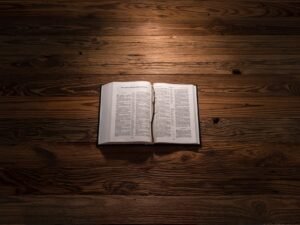
The Theology of the Body and the Call to Holiness
In our modern era, the topic of how we present our bodies is often relegated to a list of rigid rules or dismissed as an antiquated concern of a bygone generation. However, when we look at the sweep of Scripture, we find that the conversation about how we treat, cover, and reveal our bodies is deeply rooted in the broader narrative of creation, fall, and redemption. The Bible does not treat the body as an incidental shell, but as a temple of the Holy Spirit, as noted in 1 Corinthians 6:19. Because the body is the primary vehicle through which we interact with the world and express our devotion to God, the way we clothe ourselves becomes an outward reflection of an inward reality. Holiness is not merely about external conformity, but about a heart that desires to honor the Creator in every aspect of life.
As we navigate the complexities of our culture, we must ask ourselves what it means to live with intentionality. The goal of modesty in the biblical sense is not to hide the body as if it were inherently shameful, but to steward the body in a way that directs attention toward the glory of God rather than the self. When we consider the narrative of Genesis 3:7, we see that the first realization of nakedness brought a sense of vulnerability and shame following the entry of sin into the world. This moment establishes a foundational principle: clothing is a mercy provided by God to cover our brokenness and to establish boundaries that protect the dignity of the human person. This is a theme that resonates throughout the pages of the Bible, inviting us to view our physical presentation through the lens of wisdom and love for our neighbor.
The Intentionality of Covering in Scripture
The biblical record provides several instances where the act of covering the body is associated with respect, protection, and the preservation of sacred dignity. In the book of Exodus 28:42, instructions were given to the priests to wear linen undergarments as they ministered in the presence of the Lord. This was not a suggestion of impurity, but an act of reverence. By covering their bodies, the priests were acknowledging that they were standing on holy ground, serving a God whose purity is absolute. This teaches us that there is a time and place for everything, and that our presentation should be aligned with the gravity of our circumstances and our call to worship.
Furthermore, we see the importance of dignity in the life of Moses, who spent time in the presence of God on Mount Sinai. The encounter with the divine was so transformative that his face shone with a radiance that required him to cover it, as recorded in Exodus 34:33. While this is a different context than the topic of physical exposure, it underscores the principle that human beings are not always meant to be fully revealed. There are aspects of our lives and our bodies that are meant to be kept private, reserved for specific relationships or for the intimacy of our relationship with God. When we choose to cover ourselves, we are practicing a form of self-control that honors the sanctity of our own identity and the sanctity of those around us.
The Heart of Modesty and the Struggle with Pride
One of the most significant challenges in discussing the exposure of the body is the role of pride. In 1 Timothy 2:9, the apostle Paul encourages women to adorn themselves in respectable apparel, with modesty and self-control. This instruction is not designed to stifle personal expression, but to guard the heart against the temptation to use one’s appearance to gain status or to manipulate the perceptions of others. Pride often whispers that our value is found in the attention we garner from the world, but the gospel invites us to find our worth in the grace of God. When we dress with the intent of drawing attention to ourselves, we are often feeding an appetite for validation that can never truly be satisfied.
Conversely, modesty is an act of humility. It is a quiet declaration that we do not need the gaze of the world to define our identity. In the context of the early church, where believers were often navigating the cultural norms of the Roman Empire, the call to modesty was a call to counter-cultural living. It was an invitation to prioritize the character of the heart over the trends of the marketplace. For those of us living in the twenty-first century, this remains a relevant struggle. We are constantly bombarded with messages that equate exposure with empowerment. However, true empowerment in the kingdom of God is found in the freedom to be known by our character, our compassion, and our devotion to the truth. By choosing to dress with wisdom, we resist the pride that seeks to turn the human body into a commodity, and instead, we affirm the dignity of the image of God in ourselves and in others.
Compassion and the Impact on Others
The way we present ourselves does not exist in a vacuum; it has an impact on the community around us. The Bible places a high value on the concept of love for neighbor, as seen in Romans 14:13, where we are warned not to put a stumbling block in the way of a brother or sister. This is a delicate area of discussion, and Christian traditions have long debated the extent to which we are responsible for the reactions of others. Some argue for a strict interpretation that places the burden of modesty entirely on the person being viewed, while others emphasize that the viewer is ultimately responsible for their own thoughts and heart posture. Both perspectives carry weight, and the path of wisdom often lies in the middle ground of grace and mutual respect.
Ultimately, the call to modesty is a call to compassion. If we know that our choices in clothing might cause a brother or sister to struggle with temptation, it is an act of love to consider their well-being. This is not about living in fear or bondage, but about exercising the freedom we have in Christ to serve others. Just as we are called to practice generosity with our resources, we are called to practice generosity with our presence. When we choose to dress in a way that is respectful and considerate, we are contributing to a culture of holiness within the church. We are saying that our desire for the spiritual growth of our brothers and sisters is more important than our personal preference for a specific style of dress. This kind of self-sacrificial love is at the heart of the gospel, reflecting the way Christ laid down his own life for our sake.
The Beauty of Marriage and Intimacy
The Bible treats the human body with profound reverence, particularly within the context of marriage. In the Song of Solomon, we see a beautiful and poetic celebration of the physical intimacy shared between a husband and wife. The exposure of the body is not inherently wrong; it is a gift designed to be shared within the covenantal bond of marriage. This is where the concept of privacy becomes most significant. By keeping certain parts of our bodies private from the world, we are preserving the exclusivity and the sacredness of the intimacy that belongs only to the marriage bed, as referenced in Hebrews 13:4.
In a world that encourages the casual display of intimacy, the biblical standard of modesty serves as a hedge of protection around the institution of marriage. It teaches us that some things are too precious to be shared with the public. When we honor this boundary, we are not denying the beauty of the body, but rather elevating it. We are recognizing that physical intimacy is a profound language of love that is meant to be spoken only between two people who have committed their lives to one another. By maintaining modesty in our daily lives, we are preparing our hearts to value and cherish the intimacy that is reserved for the marriage covenant. This perspective shifts the focus from a begrudging adherence to rules to a joyful appreciation for the design of God.
Wisdom in a Changing Culture
How do we apply these principles in a culture that seems to be moving in the opposite direction? The answer lies in the pursuit of wisdom. Proverbs 2:6 tells us that the Lord gives wisdom; from his mouth come knowledge and understanding. Wisdom is not just knowing what to do; it is knowing how to apply the truth of Scripture to the specific context of our lives. It involves prayerful reflection on our motives and a willingness to be guided by the Holy Spirit. As we seek to live out our faith, we must ask ourselves: Is my choice of clothing a reflection of my identity as a child of God? Does it align with the values of the kingdom? Does it honor the body as a temple?
It is important to acknowledge that there is significant room for cultural expression within the bounds of biblical modesty. What is considered modest in one culture may differ from another, and even within the church, there are varying convictions about how these principles should be lived out. We must extend grace to one another, recognizing that we are all on a journey of sanctification. Instead of judging others based on their outward appearance, we should focus on cultivating a community that encourages one another toward holiness. We can have honest and open conversations about these topics without losing our unity. By keeping our eyes fixed on Jesus, the author and perfecter of our faith, we can navigate the cultural landscape with confidence, knowing that our ultimate goal is to please Him in all that we do.
The Grace of Forgiveness and New Beginnings
If you find that your past choices regarding your body have been driven by pride, insecurity, or a misunderstanding of your value, there is hope. The gospel is a message of forgiveness and new beginnings. Even when we have failed to honor the body as a temple, God’s grace is sufficient to cover our mistakes. Just as David sought repentance after his failures, as recorded in Psalm 51, we too can come before the Lord with a contrite heart and find restoration. The journey of sanctification is a lifelong process, and God is patient with us as we learn to walk in his ways.
We do not need to carry the weight of past shame. Because of the sacrifice of Christ, we are clothed in his righteousness. This spiritual reality should transform the way we view our physical selves. We are no longer defined by our past actions or by the standards of the world. We are defined by the love of the Father and the grace of the Son. As we move forward, let us rest in this truth, allowing it to shape our identity and our actions. Let us strive to live in a way that reflects the beauty of the gospel, knowing that our bodies are meant to be instruments of righteousness, dedicated to the worship and service of the one who created us, redeemed us, and calls us his own.
Conclusion: Living as Lights in the World
The call to modesty is ultimately a call to live as lights in a dark world. When we choose to steward our bodies with care, we are participating in the larger mission of the church to bear witness to the truth of the gospel. We are showing the world that there is a different way to live—a way that values dignity, respect, and the sanctity of the human person. This is not about creating a list of do’s and don’ts; it is about cultivating a heart that is so captivated by the beauty of God that we naturally desire to honor him in every aspect of our lives.
As we conclude this reflection, let us remember that our bodies are a gift from God, intended for his glory. Whether we are in the bustling streets of a modern city or the quiet corners of our homes, let us be intentional about how we present ourselves. Let us seek the guidance of the Holy Spirit to discern what it means to be modest in our own specific context. And above all, let us keep our eyes on the hope we have in Christ. He is the one who gives us the strength to persevere, the grace to forgive, and the wisdom to live in a way that honors him. May we be a people who are clothed in humility, adorned with the beauty of holiness, and committed to the truth of his Word. In doing so, we will not only find peace and contentment for ourselves, but we will also be a beacon of light to a world that is searching for something deeper and more meaningful than the fleeting trends of the day. Let us walk in this calling with joy, knowing that our labor in the Lord is never in vain.
Consider the example of the early disciples, who understood that their lives were no longer their own. They were bought with a price, and they lived with a profound awareness of this reality. Every action, every choice, and every moment was an opportunity to point others toward the grace of God. We are called to that same level of devotion. It is a high calling, but it is one that we are equipped to fulfill by the power of the Spirit. As we continue to read and study the Scriptures, let us pray that God would reveal more of his character to us, and that we would be transformed by the renewing of our minds. May our lives be a living sacrifice, holy and pleasing to God, which is our spiritual act of worship, as described in Romans 12:1. This is the path to true freedom, and it is the path that leads to the fullness of life in Christ.
Finally, let us hold fast to the promise that we are not alone in this journey. We have the support of our brothers and sisters in the faith, and we have the comfort of the Holy Spirit who dwells within us. When we face challenges or feel the pressure to conform to the world, we can turn to the Word of God for strength and encouragement. We can find solace in the fact that our identity is secure in Christ. Let us encourage one another to keep pressing on, to keep growing in wisdom, and to keep shining the light of the gospel in every area of our lives, including the way we present ourselves to the world. May our lives be a testament to the transformative power of God, and may we always seek to bring him honor and glory in all things.
As we close, reflect on the words of the psalmist who recognized that we are fearfully and wonderfully made, as stated in Psalm 139:14. This truth should be the starting point for everything we think and do regarding our bodies. When we start with the recognition of our value as created beings, we naturally want to treat our bodies with the respect they deserve. We want to protect them, to cherish them, and to use them for purposes that align with the heart of God. This is the foundation of a healthy and biblical understanding of modesty. It is not a burden; it is a privilege to be able to honor God with our physical presence. Let us embrace this privilege with gratitude and humility, and let us continue to grow in our understanding of what it means to be a follower of Christ in every aspect of our lives.
We must also remember that the church is a place of healing. If you have been hurt by judgmental attitudes or legalistic interpretations of these topics, know that the heart of God is one of compassion and mercy. He desires to heal the wounds of the past and to lead you into a deeper understanding of his grace. Do not let the mistakes of others define your relationship with the Lord. Seek out the truth in his Word, surround yourself with a community that loves you, and trust that God is working in your life to bring about his good and perfect will. There is grace for today and hope for tomorrow. Walk in that hope, and let it sustain you as you continue to seek his face.
In the final analysis, the question of how we present our bodies is a question of who we are serving. Are we serving our own desires for attention and validation, or are we serving the Lord who gave us our bodies to begin with? The answer to this question will guide us in every decision we make. By choosing to serve the Lord, we find a purpose that transcends the temporary and a joy that is rooted in the eternal. This is the life we are called to live—a life of devotion, of holiness, and of love. May we be found faithful in this calling, and may our lives be a reflection of the beauty and the truth of the gospel of Jesus Christ.
Let us commit ourselves to this path, day by day, moment by moment. Let us lean on the wisdom of the Scriptures, the strength of the Holy Spirit, and the support of our fellow believers. Let us be a people who are known not just for what we do, but for who we are—children of the living God, called to walk in the light and to reflect the glory of our Creator to a world in need. This is our high calling, and it is a calling worth pursuing with all that we are. May God bless us as we seek to honor him in all things, and may his grace be our guide as we navigate the complexities of life in this world. Amen.