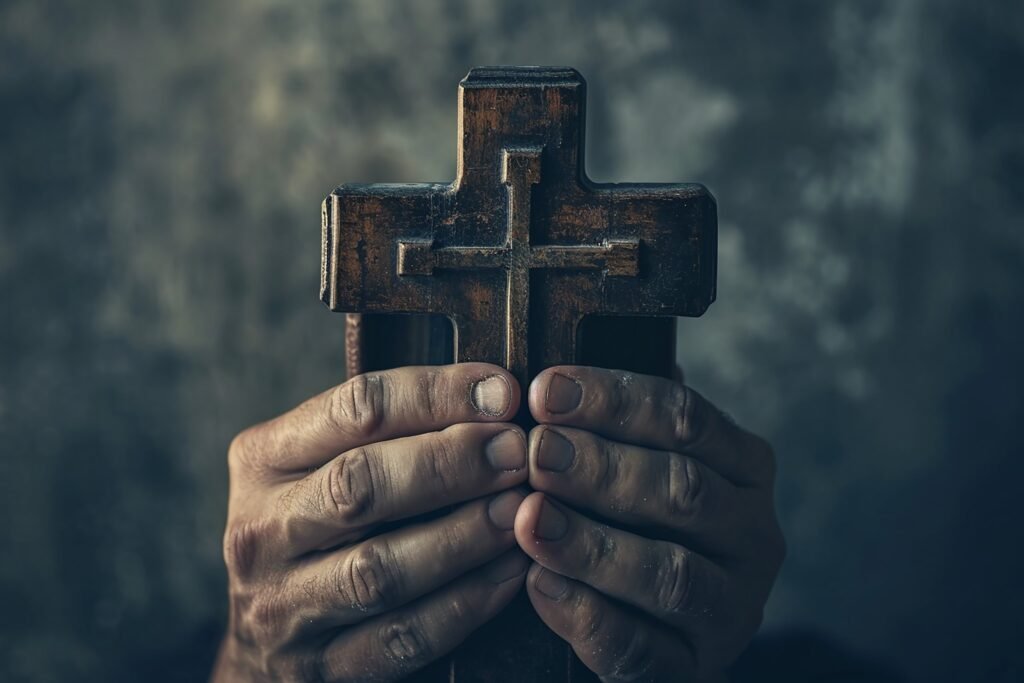
Faith and Works: Understanding True Salvation
In a world where opinions about spirituality and religion abound, the concepts of faith and works often become focal points of debate. For many believers, the relationship between faith and works is essential in understanding what true salvation means. Does believing in something guarantee salvation, or do our actions play an equally important role? In this post, we will explore the dynamics of faith and works and how they converge to define true salvation.
The Foundation of Faith
What is Faith?
Faith is often described as complete trust or confidence in someone or something, especially when it comes to spiritual beliefs. In Christianity, faith primarily refers to belief in God and Jesus Christ as the Savior. It’s the foundation upon which a believer builds their spiritual life.
- Biblical Reference: Hebrews 11:1 defines faith as “the assurance of things hoped for, the conviction of things not seen”. This definition frames faith as both trust and expectation.
Why is Faith Important?
Faith is crucial for several reasons:
- Relationship with God: Faith fosters a personal relationship with God, allowing believers to communicate and seek guidance from Him.
- Transformation: Genuine faith can lead to a transformation in a person’s life, influencing thoughts, behaviors, and values.
- Eternal Assurance: Many religious texts affirm that faith in God provides assurance of salvation and eternal life.
The Role of Works
What are Works?
In the religious context, “works” refers to the actions and deeds accomplished by individuals, often in service to God and humanity. This can include:
- Community service
- Charitable giving
- Acts of kindness or love
Why are Works Significant?
Works play a significant role in the life of a believer for several reasons:
- Demonstration of Faith: Actions can serve as tangible evidence of one’s faith. As noted in James 2:26, “For as the body without the spirit is dead, so faith without works is dead also.”
- Moral Responsibility: Works reflect one’s moral standing and commitment to live according to religious teachings, showing a dedication to ethical principles.
The Relationship Between Faith and Works
Understanding the relationship between faith and works is essential for grasping the concept of true salvation. Here are a few key points to consider:
Salvation through Faith Alone
Many argue that salvation is achieved through faith alone, based on verses like Ephesians 2:8-9:
“For by grace you have been saved through faith, and that not of yourselves; it is the gift of God, not of works, lest anyone should boast.”
This view emphasizes that salvation is a divine gift, unattainable by human effort.
The Evidence of Genuine Faith
At the same time, it’s crucial to note that true faith naturally results in good works. While works do not save us, they provide evidence of a living faith. Consider these points:
- Faith and Works as Partners: Just as roots are necessary for a tree to flourish, faith is necessary for producing good works.
- A Life of Response: Genuine faith results in a life that seeks to serve others and express love concretely.
The Balance of Both
Many theologians suggest a balanced understanding, where both faith and works are essential components of salvation. This can be summed up as:
- Faith initiates the relationship with God.
- Works demonstrate that relationship.
Living Out Faith and Works
Practical Steps for Believers
To embody the balance of faith and works in daily life, consider these practical steps:
- Cultivate Daily Faith: Engage in daily prayer and scripture reading to strengthen your faith.
- Serve Others: Look for opportunities to volunteer and serve in your community, which manifests your faith in action.
- Reflect on Your Actions: Regularly assess whether your actions align with your beliefs. This reflection can help ensure that your works are a true expression of your faith.
Creating a Community of Faith
Being part of a faith community can also help individuals thrive in faith and works:
- Join a Local Church: Participate in church activities, whether through study groups or social services.
- Accountability Partners: Create relationships where you can encourage one another in both faith and works.
Conclusion
The discussion of faith and works in the context of true salvation is one that invites deep reflection and understanding. While faith serves as the cornerstone, good works express the vitality and genuineness of that faith. As believers, we must strive to nurture both aspects in our lives, allowing our faith to inspire our actions—serving not just our spiritual needs but also uplifting those around us.
By embracing this balance, we can lead lives that not only seek salvation but also reflect the transformative love of God, truly embodying the essence of faith and works in our everyday existence.