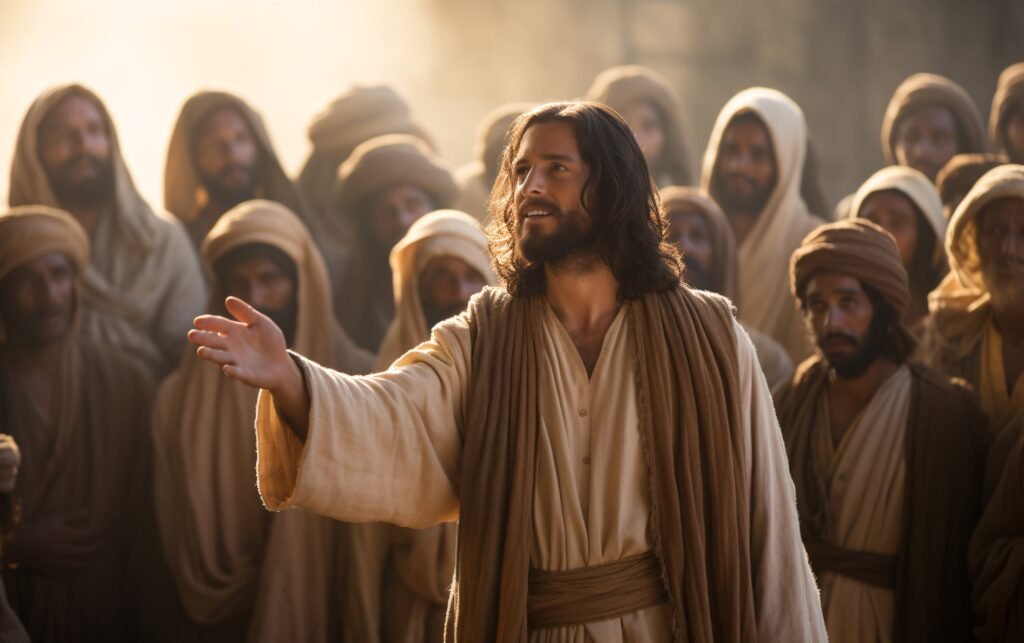
The Beatitudes: Living the Kingdom Lifestyle
The Beatitudes, a collection of teachings from Jesus found in the Gospel of Matthew (Matthew 5:3-12), serve as a foundational element of Christian ethics and spirituality. These powerful statements redefine what it means to be blessed and present a radical departure from worldly values. In a society that often equates blessing with wealth, status, and power, the Beatitudes invite followers of Christ to embrace a lifestyle marked by humility, mercy, and compassion. In this blog post, we’ll explore the Beatitudes in depth, their significance in living a Kingdom lifestyle, and practical ways to embody these teachings in our daily lives.
Understanding the Beatitudes
What Are the Beatitudes?
The Beatitudes consist of eight pronouncements made by Jesus during the Sermon on the Mount. Each Beatitude begins with “Blessed are…” followed by a characteristic or attitude and a resulting promise. Here they are:
- Blessed are the poor in spirit, for theirs is the Kingdom of Heaven.
- Blessed are those who mourn, for they will be comforted.
- Blessed are the meek, for they will inherit the earth.
- Blessed are those who hunger and thirst for righteousness, for they will be filled.
- Blessed are the merciful, for they will be shown mercy.
- Blessed are the pure in heart, for they will see God.
- Blessed are the peacemakers, for they will be called children of God.
- Blessed are those who are persecuted because of righteousness, for theirs is the Kingdom of Heaven.
The Core Message of the Beatitudes
At their core, the Beatitudes present a countercultural paradigm. They challenge common perceptions about success and happiness, presenting instead a framework for living that emphasizes spiritual richness over material wealth and compassion over competition. Each Beatitude not only describes the character of those blessed but reflects the heart of God’s Kingdom.
Living the Kingdom Lifestyle
Embracing Humility and Spiritual Poverty
The first Beatitude calls us to be poor in spirit, meaning we recognize our need for God. This humility opens us up to spiritual growth and dependence on divine grace. Instead of striving for self-sufficiency, we embrace our limitations and seek God’s strength.
Practical Ways to Cultivate Humility:
- Practice Gratitude: Regularly acknowledge the blessings in your life.
- Engage in Community Service: Serving others reminds us of our interdependence.
- **Seek God: ** Set aside time for prayer and reflection on your spiritual journey.
Mourning and Comfort
The second Beatitude emphasizes the importance of mourning—not just over personal loss but also in grieving for a broken world. In recognizing pain and suffering, we draw closer to God’s heart and experience His comfort deeply.
Ways to Mourn and Find Comfort:
- Express Your Emotions: Allow yourself to feel and process grief authentically.
- Support Others in Grief: Offer a listening ear to those who are suffering.
- Engage with Social Justice: Stand up for issues that cause suffering in society.
The Call to Meekness
Jesus was known for His meekness, which is often misunderstood as weakness. In reality, meekness involves strength under control. Meek individuals do not assert themselves at the expense of others but rather live with a spirit of gentleness.
Tips for Practicing Meekness:
- Respond with Patience: When provoked, take a breath before responding.
- Listen More: Prioritize understanding others over making your voice heard.
- Admit Mistakes: Take responsibility gracefully when you know you’ve erred.
Hunger for Righteousness
Those who long for righteousness are not just seeking personal holiness but also advocating for justice in the world. This hunger compels us to act in accordance with our values and to be agents of change.
Ways to Foster a Hunger for Righteousness:
- Educate Yourself: Learn about social issues and biblical justice.
- Act on Your Convictions: Find ways to get involved in community initiatives.
- Pray for Guidance: Seek divine wisdom in addressing injustice.
Extending Mercy
As Christ demonstrated mercy, we are called to offer grace to others, especially those who have wronged us. This Beatitude reminds us that showing mercy not only benefits others but also enriches our own spiritual journey.
Practicing Mercy in Daily Life:
- Forgive Freely: Let go of grudges to experience inner peace.
- Serve the Needy: Volunteer with organizations focused on helping the marginalized.
- Show Kindness: Practice small acts of kindness daily.
Purity of Heart and Peacemaking
The Beatitudes emphasize the significance of inward transformation. A pure heart is essential for seeing God, while peacemakers actively work to create harmony in relationships and communities.
Building a Pure Heart and Promoting Peace:
- Set Boundaries: Protect your heart from negativity and toxic influences.
- Engage in Dialogue: Foster communication between opposing views to promote understanding.
- Model Peaceful Behavior: Be a role model for others, demonstrating conflict resolution and kindness.
Conclusion: Living Out the Beatitudes
The Beatitudes are not mere theoretical principles but practical, actionable ways to engage with the world as representatives of God’s Kingdom. By embodying the characteristics outlined in these teachings, we not only become part of a spiritual community but also actively participate in shaping our world.
Living the Kingdom lifestyle involves continual growth, introspection, and a commitment to embracing the values of humility, mercy, and righteousness. Let us strive to embody these principles in our daily lives, paving the way for a more compassionate and just world—a true reflection of the Kingdom of Heaven.