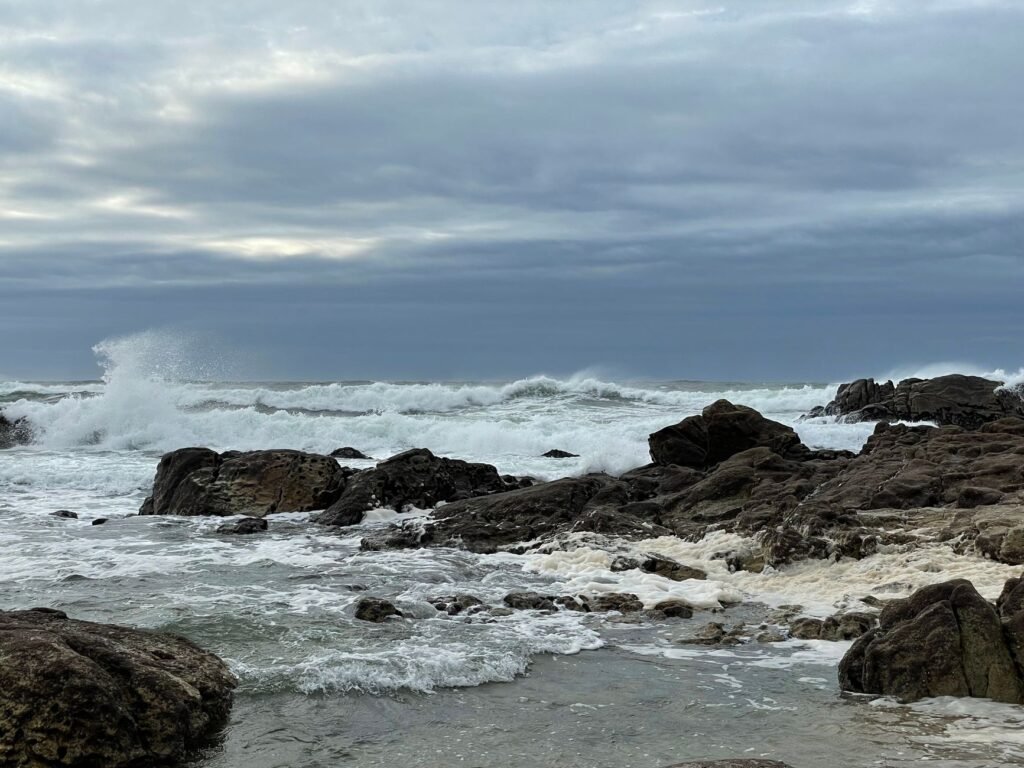
The Sea as a Mirror of Divine Majesty
When we open the pages of Scripture, we are immediately confronted with a world that is deeply connected to the natural rhythms of the earth. Among the most evocative images presented to the reader is that of the sea. In the ancient Near Eastern mindset, the ocean was not merely a body of water; it was a symbol of untamable power, mystery, and the sheer vastness of creation. Throughout the Bible, the sea serves as a constant reminder that while humanity is finite and prone to anxiety and fear, God remains the sovereign architect of all that exists. From the moment the Spirit of God hovered over the waters in Genesis 1:2, the sea has been a focal point of divine activity, demonstrating that even the most chaotic forces are subject to the gentle, yet firm, hand of the Creator.
The majesty of the sea invites us into a deeper posture of worship. When we consider the sheer scale of the oceans, we are reminded of our own smallness in the grand narrative of salvation. This realization, rather than being discouraging, becomes an anchor for our faith. As we navigate the complexities of life, the sea teaches us that the One who holds the oceans in the hollow of his hand, as described in Isaiah 40:12, is the same One who oversees the details of our personal lives. By contemplating the sea, we are invited to set aside our pride and embrace a humble reliance on the One who commands the tides and sustains the depths.
The Barrier and the Path: Deliverance through the Water
Perhaps no event in the Old Testament defines the symbolism of the sea more clearly than the crossing of the Red Sea. For Moses and the people of Israel, the water represented an impossible barrier, a physical manifestation of their desperation as they fled the might of Egypt. Yet, it was precisely at this location that God chose to display his power and his unwavering commitment to his people. In Exodus 14:21, we read of the sea being divided, turning a place of death into a path of deliverance. This event is not merely a historical marker; it is a profound testament to the nature of God’s grace and his ability to make a way where there seems to be no way.
This narrative serves as a foundational lesson in trust. When the Israelites looked at the sea, they saw an obstacle; when God looked at the sea, he saw a stage for his glory. This transition from fear to faith is a recurring theme throughout the biblical record. We often find ourselves standing before our own ‘Red Seas’—situations that feel insurmountable and threatening. However, the story of the exodus reminds us that our God is a deliverer who specializes in overcoming the impossible. The sea, which once stood as a wall of separation, became the very medium through which God demonstrated his holiness and his deep love for his chosen people, setting the stage for their journey toward the land of promise.
The Storms of Life and the Authority of Christ
Moving into the New Testament, the sea becomes the setting for some of the most intimate moments of discipleship between Jesus and his followers. The Sea of Galilee, a place known for its sudden and violent storms, provides the backdrop for the moment Jesus calmed the wind and the waves in Mark 4:39. This narrative is deeply resonant for anyone who has experienced the sudden turbulence of life. The disciples, despite their proximity to the Savior, were overcome by their human limitations and natural fears. Yet, Jesus’s response was one of calm authority, revealing that he possessed power over the very elements that governed their world.
This account challenges us to examine the state of our own hearts when the storms of life arise. Are we governed by our circumstances, or are we anchored in the truth of who Jesus is? The disciples’ experience serves as a lens through which we can view our own struggles with anxiety and fear. It is not that we will never face storms, but rather that we are never alone in them. The presence of Christ in the boat changes everything. It turns a moment of potential destruction into an opportunity for growth in faith, teaching us that true peace is found not in the absence of waves, but in the presence of the One who commands them.
The Sea as a Place of Calling and Commissioning
Beyond the storms, the sea was also the site of the everyday lives of many of the disciples, particularly the fishermen who would later become the apostles. When Jesus walked along the shore and called Peter and his brother Andrew in Matthew 4:18-20, he was interrupting their daily routine to invite them into something far greater. The sea was their workplace, the site of their toil and their expertise. By calling them away from their nets, Jesus demonstrated that his mission of redemption would utilize the ordinary, humble lives of those who were willing to leave behind their comfort to follow him.
This transition from the sea to the mission field highlights the nature of discipleship. Following Jesus often requires a willingness to step out of our familiar environments and into the unknown. Just as these men had to trust the call of the Master over the security of their livelihoods, we are called to prioritize our obedience to God above our own plans. The sea, in this context, becomes a symbol of the transition from the old life to the new. It reminds us that our gifts, our vocations, and our daily labors are all meant to be surrendered to the service of the kingdom, finding their ultimate purpose in the mission of the gospel.
The Sea of Glass and the Promise of Restoration
As we look toward the final chapters of the Bible, the imagery of the sea undergoes a fascinating transformation. In Revelation 15:2, we encounter a sea of glass mixed with fire, a vision that speaks to the ultimate triumph of God over all the chaos and evil that have plagued creation. This is a scene of profound worship and victory, where those who have been redeemed stand before the throne of God. It suggests that the restlessness and danger historically associated with the sea will be entirely subdued in the age to come. The tumultuous waters of our present experience will give way to a state of perfect, crystalline peace.
This vision provides immense hope for those who are currently enduring suffering. It tells us that the current state of the world—marked by sorrow, pain, and the ‘sea’ of human conflict—is not the final chapter. The promise of Revelation is that God will make all things new, and the very elements that once caused terror will be transformed into a reflection of his glory. This is the ultimate fulfillment of the hope we hold as Christians: that justice, mercy, and peace will reign supreme. When we read of the sea in these final visions, we are encouraged to persevere, knowing that our current trials are temporary and that the future is secured in the hands of our faithful God.
Diverse Perspectives on the Symbolism of the Sea
It is important to acknowledge that throughout the history of the church, different Christian traditions have interpreted the symbolism of the sea in varied ways. Some commentators emphasize the sea as a strictly negative force, representing the abyss of chaos or the domain of the demonic, pointing to passages where the sea is a place of judgment or separation. Others focus more on the sea as a manifestation of God’s creative power and an object of beauty that invites human stewardship. These differing perspectives are not necessarily contradictory; rather, they reflect the multifaceted nature of biblical imagery, where a single symbol can carry layers of meaning depending on the context.
In some traditions, the sea is seen as a baptismal symbol, representing the waters of repentance and the cleansing power of God’s grace. This reading connects the physical act of immersion to the spiritual reality of being buried with Christ and raised to newness of life. Other traditions might lean more heavily into the sea as a boundary that defines the limits of human power, emphasizing the need for humility before a God who governs the uncontrollable. Engaging with these different interpretations enriches our own study, allowing us to see the depth of the biblical narrative and the many ways in which the Holy Spirit speaks to the church across different times and cultures. Regardless of the interpretive lens, the central truth remains: the sea is a profound witness to the greatness of God.
Living in Light of the Sovereign Creator
As we conclude our reflection on the sea, we are left with the invitation to live our lives in the light of the truths we have uncovered. Whether we are facing the ‘Red Seas’ of our own lives, navigating the storms of anxiety, or simply marveling at the beauty of the natural world, we are called to do so with a heart of worship. The sea is a constant, rhythmic reminder that we serve a God who is both transcendent and immanent. He is the one who sits above the floods, yet he is also the one who walks beside us in the boat, offering the gift of his presence and his peace.
May we be a people who look at the vastness of the world and see not a source of fear, but an opportunity to trust in the One who created it all. Let us cultivate a spirit of gratitude for the grace that sustains us, a commitment to the obedience that follows the call of Christ, and a hope that remains steadfast in the face of all uncertainty. As we walk through our days, may we remember that just as the sea is held by the hand of the Creator, so too are our lives held by his love. May this truth provide the strength we need to persevere, the joy we need to worship, and the peace that passes all understanding, until the day we stand before that sea of glass and worship the Lamb for all eternity.
Reflections on the Depth of God’s Love
To deepen our understanding of the sea, we must also consider the role of prayer. When the psalmist cries out in Psalm 69:1-2, speaking of the waters coming up to his neck, he is using the imagery of the sea to describe the depths of his distress and the intensity of his need for God’s intervention. This is a raw, honest form of prayer that shows us that we can bring our deepest anxieties, our failures, and our overwhelming burdens to the Lord. The sea, in this sense, becomes a place of encounter where our vulnerability meets God’s infinite compassion. It is a reminder that we do not have to hide our struggles, but can instead bring them into the light of his mercy.
Furthermore, the sea reminds us of the necessity of contentment. In a world that often feels as turbulent as a stormy ocean, we are tempted to seek stability in things that cannot provide it. Yet, the biblical witness consistently points us back to the One who is the anchor of our souls. Hebrews 6:19 speaks of this hope as an anchor, a firm and secure foundation that holds fast even when the currents of life are pulling us in every direction. When we learn to find our contentment in God’s character rather than in our changing circumstances, we find a peace that the world cannot give. The sea, with its endless motion, serves as a backdrop against which the constancy of God’s love shines even brighter, offering us a place of rest in the middle of the tempest.
Finally, we must consider the theme of holiness. The sea, in its purity and depth, reflects the holiness of God—a holiness that is both awe-inspiring and cleansing. As we read in Psalm 95:5, the sea is his, for he made it. This ownership implies that everything within the sea, and everything it represents, is under his jurisdiction. When we recognize this, we are moved to live lives that reflect that holiness. We are called to be a people who are set apart, not because we are better than others, but because we have been claimed by the One who is holy. The sea, therefore, acts as a constant reminder of our identity as children of God, called to walk in his ways and to manifest his love in a world that is often drifting away from its Creator. As we look at the horizon, let us be reminded that our journey is directed by his hand, and our final destination is the presence of the One who calmed the waves and called us by name.
A Final Word on the Vastness of Grace
The study of the sea is essentially a study of the heart of God. Every wave that breaks upon the shore, every tide that recedes, and every deep that remains hidden from human sight speaks of a Creator who is beyond our full comprehension. Yet, he has chosen to reveal himself to us through his Word, through his Son, and through the witness of his creation. We are invited to explore these depths, not to master them, but to be mastered by the love that they reveal. Whether we find ourselves in a season of calm or a season of storm, the message of the sea remains the same: God is with us, he is for us, and he is the master of all things.
As you continue your journey of faith, let the imagery of the sea be a companion to your spiritual life. When you feel overwhelmed, remember the One who walked on the water. When you feel lost, remember the One who guided the Israelites through the sea. When you feel uncertain about the future, remember the promise of the new heaven and the new earth. Let these truths sink deep into your soul, providing the foundation for a life of trust, obedience, and joy. The sea is vast, but the grace of God is deeper still, and it is in that depth that we find our true home, our true identity, and our true hope in Christ Jesus.