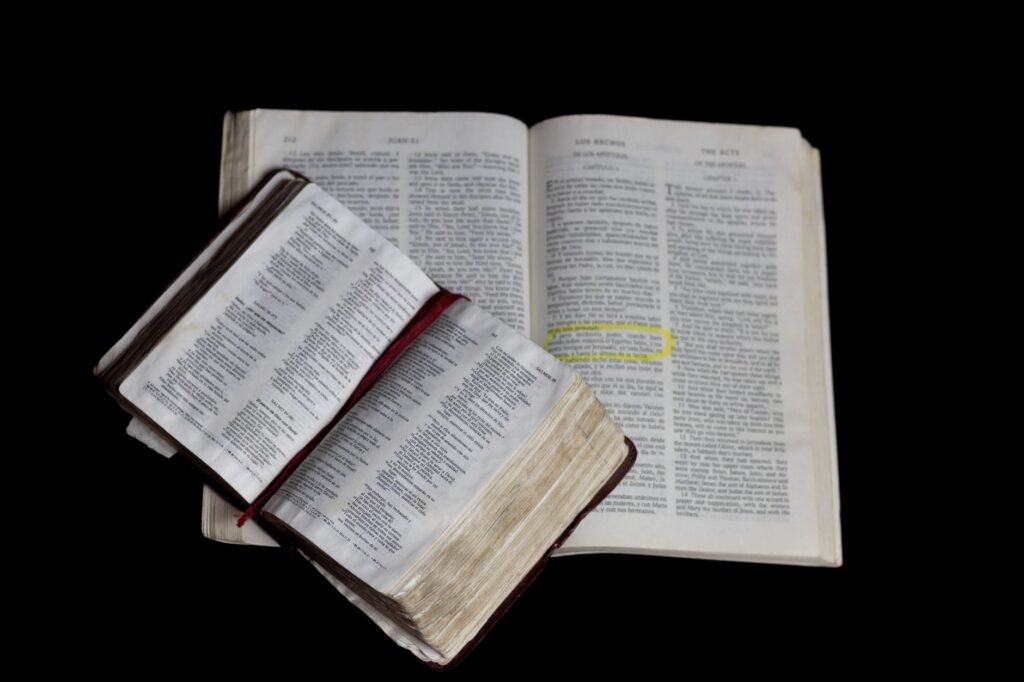
The Living Word Across Languages and Cultures
The beauty of the Christian faith lies in its universal reach, a truth that becomes profoundly evident when we consider the history and resonance of the Bible in diverse languages. Among the most historically significant translations is the Amharic Bible, which serves as a spiritual anchor for millions of Ethiopian Christians. When we read verses in Amharic, we are not merely looking at a translation; we are engaging with a legacy of faith that stretches back to the early centuries of the church. The language itself, with its ancient roots and unique Ge’ez script, carries a weight of reverence that has shaped the devotional lives of generations. By exploring the power of these verses, we gain a deeper appreciation for how God communicates his truth to every tribe, tongue, and nation.
As we delve into specific passages, it is helpful to remember that the translation of the Scriptures into the language of the people is an act of profound grace. Whether we are reading in English, Greek, or Amharic, the core message of the gospel remains the same: it is the power of God for salvation to everyone who believes, as noted in Romans 1:16. The Amharic Bible, often referred to as the Haile Selassie I version or the later 1954 E.C. revision, provides a rich, poetic, and deeply theological rendering of the biblical text. It invites us to consider how the nuances of language can shape our understanding of divine truth and our personal walk with the Lord.
The Foundations of Faith and Trust
One of the most comforting aspects of reading the Bible in any language is the way it addresses the fundamental human needs for trust and hope. When we look at the Amharic rendering of Psalm 23:1, we find a declaration of the Lord as a shepherd that transcends linguistic barriers. In the Ethiopian tradition, this verse is frequently recited as a source of immense comfort during times of trial. It reminds us that the Shepherd is not a distant figure but a constant presence who provides, protects, and guides his sheep through the darkest valleys. This concept of trust is central to the Christian life, serving as the antidote to the anxiety and fear that often plague our modern existence.
The theme of trust is further amplified in Proverbs 3:5, which encourages believers to lean not on their own understanding but to acknowledge God in all their ways. In Amharic, the linguistic structure of this verse emphasizes the total surrender of the intellect to the wisdom of the Creator. This is a vital lesson for those navigating the complexities of contemporary life. By placing our confidence in the Lord, we find the strength to persevere, even when the path ahead seems uncertain. This reliance on God is not an act of passivity, but a robust expression of faith that requires both courage and humility. It is a reminder that our security is found not in our own capabilities, but in the unchanging character of the one who holds the future.
The Call to Repentance and Renewal
A central pillar of the biblical narrative is the call to repentance, a theme that resonates deeply within the liturgical and devotional life of the Ethiopian Orthodox and evangelical communities alike. When we study verses such as Psalm 51:10, which prays for a clean heart and a right spirit, we see the universal human need for spiritual cleansing. In the Amharic translation, the vocabulary used for repentance carries a profound sense of turning back to the source of life. It is an invitation to shed the weight of sin and to embrace the transformative power of divine mercy. This process is essential for the health of the individual believer and the unity of the church.
The biblical narrative frequently points us toward the necessity of grace in our pursuit of holiness. As we reflect on 1 John 1:9, we are reminded that if we confess our sins, God is faithful and just to forgive us. This promise is a cornerstone of the Christian experience, offering a path to restoration that is always open to those who approach the throne of grace with a contrite heart. Across different Christian traditions, there are varying perspectives on the mechanics of confession and the role of the community in this process, yet there is a shared consensus on the necessity of repentance. It is the beginning of the journey toward a life that reflects the beauty and truth of the gospel, allowing us to walk in the light of God’s presence.
Finding Strength in the Midst of Suffering
Suffering is an unavoidable reality of the human condition, and the Bible provides the vocabulary we need to express our lament and find solace. When we read 2 Corinthians 12:9 in Amharic, we encounter the profound promise that God’s grace is sufficient for us, for his power is made perfect in weakness. This verse has been a source of immense encouragement for believers throughout history, particularly in regions that have faced significant hardship. It shifts our perspective from our own limited strength to the limitless capacity of God to sustain us. In moments of deep emotional or physical pain, this truth serves as a beacon of hope, reminding us that we are never alone in our struggles.
The Apostle Paul, whose writings often explore the paradox of finding strength through weakness, serves as a powerful example of how to persevere through trial. His life was defined by his commitment to the gospel, even in the face of imprisonment and physical suffering. When we read his letters in translation, we are struck by the intensity of his devotion and his unwavering focus on the glory of Christ. The Amharic text captures this fervor, inviting readers to adopt a similar posture of endurance. By turning to these verses, we learn that our suffering is not meaningless; rather, it is a space where the grace of God can do its most significant work, shaping our character and refining our faith for the work he has prepared for us.
The Virtue of Humility and Love
In a world that often prizes self-promotion and individual achievement, the biblical call to humility stands as a radical counter-cultural witness. Philippians 2:3 instructs us to do nothing from selfish ambition or conceit, but in humility to count others more significant than ourselves. This verse, when rendered in the elegant phrasing of the Amharic language, carries a weight that challenges the ego and redirects our focus toward the well-being of our neighbors. It is a call to embody the love of Christ, who, though he was in the form of God, emptied himself to take on the form of a servant. This act of divine condescension is the ultimate model for all human relationships.
Love, as defined in 1 Corinthians 13:4-7, is described as patient, kind, and selfless. When these verses are read aloud in Amharic, the cadence of the language highlights the active nature of love. It is not merely a sentiment but a commitment to act in the best interest of others, even when it is difficult. This is the foundation of a healthy family, a vibrant church, and a compassionate society. Whether we are navigating the complexities of marriage or seeking to show grace to those who have wronged us, the principles of love and humility provide the necessary framework for reconciliation and growth. By prioritizing these virtues, we reflect the heart of the gospel to a world in need of hope.
Wisdom for Daily Living
The pursuit of wisdom is a recurring theme throughout the Old Testament, and it finds some of its most poignant expression in the book of Proverbs. Proverbs 9:10 reminds us that the fear of the Lord is the beginning of wisdom, and the knowledge of the Holy One is insight. In the Amharic translation, the concept of the fear of the Lord is understood not as a paralyzing terror, but as a deep, reverent awe that acknowledges the majesty of God. This wisdom is not merely intellectual; it is practical, guiding our decisions, our speech, and our interactions with others on a daily basis. It is the filter through which we should view every challenge and opportunity.
As we seek guidance for our lives, we are encouraged to look to the Scriptures as our primary source of truth. When we read Psalm 119:105, which describes the Word of God as a lamp to our feet and a light to our path, we are reminded that we do not have to wander in the dark. The Amharic phrasing of this verse emphasizes the clarity that comes from walking in obedience to God’s commands. This does not mean that life will be free of obstacles, but it does mean that we have a reliable map for our journey. By committing ourselves to the study of the Bible, we equip ourselves with the wisdom needed to navigate the complexities of the modern world with integrity and grace.
The Hope of Salvation and Eternal Life
At the heart of the biblical message is the promise of salvation through Jesus Christ. John 3:16, perhaps the most well-known verse in the entire Bible, finds a powerful and resonant expression in the Amharic language. It speaks of the depth of God’s love for the world, a love so profound that he gave his only Son so that whoever believes in him should not perish but have eternal life. This verse serves as the anchor for the Christian hope, providing the assurance that our lives are held in the hands of a loving Creator who has conquered death and offers the gift of reconciliation to all who call upon his name.
The promise of salvation is not limited by geography or language; it is a universal invitation. As we consider the spread of the gospel throughout history, we see how the message of Christ has taken root in diverse cultures, including the ancient and rich traditions of Ethiopia. The availability of the Bible in Amharic has played a crucial role in grounding the faith of believers in this region, allowing them to engage directly with the text and to find personal meaning in its promises. Whether we are reading in our native tongue or exploring the Scriptures in another language, the message remains the same: it is a message of life, hope, and the transformative power of the gospel to make all things new.
Reflecting on the Journey
As we conclude our exploration of Amharic Bible verses, we are reminded of the incredible privilege we have to access the Word of God in our own languages. The history of Bible translation is a testament to the desire of the church to ensure that the gospel is accessible to all people. Each language brings its own unique flavor and nuance to the text, enriching our collective understanding of the divine. When we read the Bible, we are entering into a conversation that has been ongoing for thousands of years, a conversation that invites us to participate in the grand narrative of redemption that God is writing through history.
May the verses we have explored today—from the comforting words of the Shepherd in Psalm 23:1 to the foundational promise of John 3:16—continue to shape your heart and mind. As you read your Bible, whether in English, Amharic, or any other language, remember that you are engaging with the living and active Word of God. Let it be the lamp that guides your feet and the strength that sustains you in times of trial. May you find in its pages the wisdom, hope, and peace that only the gospel can provide. As we look toward the future, let us continue to treasure the Scriptures and to share the good news of Jesus Christ with a world that is longing for truth and grace.
The journey of faith is one that requires perseverance, but we do not walk it alone. We are surrounded by a great cloud of witnesses who have gone before us, and we are supported by the community of faith that surrounds us today. As you meditate on these verses, consider how they might challenge you to grow in your love for God and your service to others. Let the truth of the gospel penetrate your life in such a way that it becomes evident in all that you do. May your heart be open to the leading of the Holy Spirit, and may you find joy in the constant discovery of the riches contained within the pages of the Bible.
Finally, let us remain committed to the unity of the body of Christ, recognizing that despite our cultural and linguistic differences, we are one in the Lord. The diversity of the church is a reflection of the creative power of God, and our ability to worship him in our own languages is a gift to be celebrated. As we look at the global landscape of Christianity, let us pray for the continued spread of the gospel and for the strength of the church in every nation. May the Word of God continue to be a source of life, light, and transformation for all, and may we be faithful stewards of the message we have received. To God be the glory, now and forevermore.
In reflecting on the broader scope of biblical history, we see how God has moved through various people and places to preserve his Word. From the faith of Abraham, who trusted in the promises of God, to the leadership of Moses, who guided the people of Israel out of bondage, the narrative of Scripture is filled with stories of faithfulness and divine intervention. We see the importance of locations like Jerusalem, the center of the unfolding drama of redemption, and the significance of the Jordan River, a place of baptism and new beginnings. These stories and places are not just historical markers; they are reminders of the consistency of God’s character and the reliability of his promises to his people across all generations.
As we continue to grow in our understanding of the Bible, let us be diligent in our study and prayerful in our application of its truths. Whether we are grappling with questions of justice, seeking to cultivate a spirit of generosity, or striving to grow in holiness, the Scriptures offer the guidance we need. The process of discipleship is a lifelong endeavor, one that requires us to be constantly learning and unlearning as we allow the Word to reshape our perspectives. Let us embrace this process with humility, knowing that we are always in need of the grace that is found in Christ. By staying rooted in the Word, we can face the challenges of our time with confidence and hope.
The call to obedience is often the most difficult aspect of the Christian life, yet it is the path to true freedom. When we choose to follow the commands of God, even when they run contrary to the patterns of the world, we are participating in the unfolding of his kingdom. This is not a burden, but a privilege, as it allows us to align our lives with the purposes of the Creator. Let us encourage one another in this walk, sharing the insights we have gained from our study of the Scriptures and supporting each other as we seek to live out our faith in tangible ways. Together, we can be a light in the world, reflecting the love and truth of the gospel to those around us.
As we look back on the themes we have covered—from the need for repentance to the joy of salvation—we see a cohesive picture of a God who is deeply invested in the lives of his people. He is a God of compassion and mercy, who hears our prayers and responds with grace. He is a God of truth, who reveals himself through his Word and invites us into a relationship with him. He is a God of peace, who calms our fears and settles our hearts. Whatever your current circumstances, know that you can turn to the Scriptures and find the encouragement you need to persevere. The Word of God is indeed alive and active, and it has the power to transform your life from the inside out.
In the end, our study of Amharic Bible verses reminds us that the gospel is for everyone. It is not limited to any one culture or language, but is a universal message that has the power to speak to the deepest needs of the human heart. As we continue to read, study, and live out the Word, let us do so with a spirit of gratitude for the gift of the Scriptures. Let us be people who are defined by our love for God and our love for our neighbors, and let us always look to the Bible as our ultimate authority and guide. May your walk with the Lord be deepened as you engage with his Word in all its richness and depth, and may you be a witness to his goodness in all that you do.
As we close, let us offer a prayer of thanksgiving for the gift of the Bible. Lord, we thank you for your Word, which is a lamp to our feet and a light to our path. We thank you for the translators and scholars who have worked throughout history to make your truth accessible in every language. We pray that as we study your Word, whether in English, Amharic, or any other tongue, our hearts would be transformed and our lives would be aligned with your will. Help us to be faithful followers of Jesus, and may our lives be a testament to your grace and love. We ask this in the name of our Savior, who is the Word made flesh and the source of all truth. Amen.