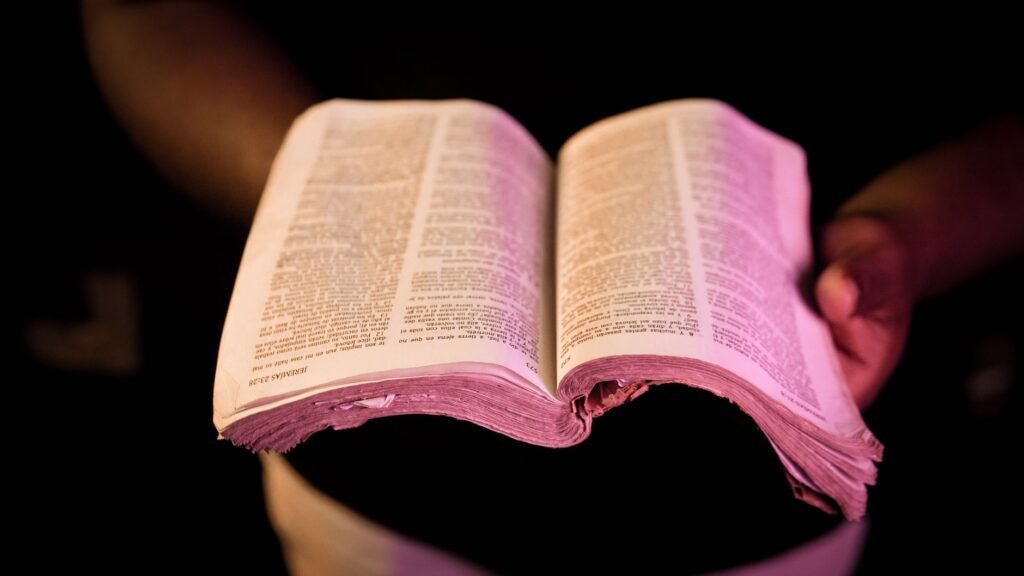
The Heart of the Father
The concept of adoption is not merely a social arrangement or a legal process found in the halls of modern courts; it is a profound theological reality that sits at the very center of the Christian faith. When we open the pages of Scripture, we discover that the narrative of redemption is, in many ways, a narrative of God bringing the wayward and the orphaned into his own family. From the very beginning, God has demonstrated a heart for the vulnerable, and the gospel itself is the ultimate story of adoption. To understand what it means to be a child of God, we must first look at the character of the one who chooses to call us his own, finding in his nature the blueprint for all human expressions of love and belonging.
In our modern world, we often view adoption through the lens of human choice and necessity. However, the Bible presents adoption as a sovereign act of divine grace. Before the foundations of the world were laid, God purposed to bring many sons and daughters to glory. This is not a secondary plan or a reaction to human failure, but the primary expression of his love. As we navigate the complexities of our earthly lives, we often struggle with a sense of displacement or a lack of belonging. The biblical truth of adoption serves as a powerful antidote to these feelings, grounding our identity not in our performance or our background, but in the unwavering commitment of our Creator. By looking at how God adopts us, we gain a clearer understanding of the depths of his mercy and the breadth of his transformative power.
The Historical Context of Adoption
To fully grasp the weight of the biblical language regarding adoption, we must look at how this theme was woven into the history of Israel and the early church. Consider the life of Moses, whose very name evokes the theme of being drawn out of the water. Born into a time of great danger and oppression in Egypt, he was spared not only by the providence of God but by the intervention of a princess who took him into her home. While his story is unique, it serves as a foreshadowing of the way God protects his children and raises them up for a specific purpose. His life demonstrates that God often uses the circumstances of our upbringing to prepare us for the work he has for us to do in the world.
The cultural context of the ancient world, particularly in the Roman Empire during the time of the apostles, gave the word ‘adoption’ a specific legal weight. When an individual was adopted in that era, they were given the full rights and responsibilities of a biological son, including the right to inherit the family name and estate. This was not a tentative arrangement; it was a permanent change in legal status. When Paul uses this language in his letters to the early churches, he is tapping into a concept that his audience would have understood as a radical shift in standing. To be adopted by God is to be legally and spiritually transferred from the kingdom of darkness into the kingdom of light, receiving all the privileges of the household of faith.
The Theological Foundation of Sonship
The apostle Paul provides some of the most profound insights into the nature of adoption in his letter to the church in Rome. In Romans 8:15, he notes that we have received the Spirit of adoption, by whom we cry out ‘Abba! Father!’ This is a staggering revelation, as it invites us into the same intimate relationship that Jesus himself shares with the Father. It is through the work of the Holy Spirit that our hearts are transformed, allowing us to move from a place of fear—the fear of a slave before a master—to a place of confidence, the confidence of a child before a loving parent. This transition is essential for our spiritual maturity and our ability to walk in the freedom of the gospel.
Different Christian traditions have varying perspectives on the timing and the nature of this adoption. Some emphasize the legal declaration of justification, where the believer is adopted into God’s family the moment they place their faith in Christ, as seen in Galatians 4:4-7. Others focus more heavily on the ongoing process of sanctification, where we grow into the likeness of our heavenly Father. Regardless of these nuances, there is a broad consensus that adoption is a work of grace that changes our fundamental relationship with God. It is a shift from being enemies of God to being his beloved children, a status that is secured by the blood of Christ and witnessed by the Spirit who dwells within us. This truth is foundational to our understanding of salvation and provides the bedrock for our hope in the face of life’s many trials.
Faith and the Challenge of Belonging
One of the greatest challenges we face in our walk of faith is the temptation to seek our worth in the eyes of the world rather than in the eyes of God. We often suffer from anxiety and fear regarding our future, wondering if we are truly secure in our position. Yet, the doctrine of adoption speaks directly to these concerns. If we are truly God’s children, then our inheritance is secure, and our position in his family cannot be revoked. This truth should produce in us a deep sense of contentment, knowing that we are loved not because of what we have done, but because of whose we are. We are called to live in the light of this reality, trusting that our Father is working all things for our good.
This is where the virtue of faith becomes so vital. It takes faith to believe that we are truly loved by a God we cannot see, especially when our earthly experiences of family may have been marked by brokenness or abandonment. We are reminded in Psalm 27:10 that even if our father and mother forsake us, the Lord will take us in. This is a promise of profound comfort. It suggests that while human relationships are fragile and subject to the effects of sin, the relationship we have with God is eternal and unbreakable. As we cultivate our faith through prayer and the study of his word, we begin to see our lives through the lens of divine purpose, finding the courage to face our struggles with the assurance that we are never walking alone.
The Call to Compassion and Generosity
The reality of our own adoption into the family of God should naturally overflow into how we treat others. If we have been the recipients of such radical grace, how can we not extend that same grace to those around us? This is a core aspect of discipleship. We are called to embody the character of our Father by showing compassion and generosity to the vulnerable, just as he showed compassion to us when we were lost. This is not merely a suggestion; it is a reflection of the holiness that God desires to see in his people. When we open our hearts to the needs of others, we are participating in the very work of the kingdom, mirroring the love that saved us.
In the city of Jerusalem, and throughout the history of the early church, the community of believers was known for their radical care for the poor and the marginalized. This was a physical manifestation of the gospel. When we consider the needs of the fatherless and the widow, we are reflecting the heart of God, who is described in Psalm 68:5 as a father to the fatherless and protector of widows. This is a call to action that transcends mere sentiment. It requires us to look beyond our own comfort and to consider how we might be conduits of God’s mercy in a broken world. Whether through adoption, fostering, or simply being a source of encouragement to those who feel orphaned by society, we are called to be a family that reflects the hospitality of God.
Overcoming Pride and Embracing Humility
A significant barrier to fully embracing our identity as adopted children is the presence of pride. Pride convinces us that we must earn our way or that our status is a result of our own merit. It creates a spirit of competition and comparison that is entirely contrary to the spirit of adoption. When we realize that we are all, by nature, in need of a Savior and that our standing in God’s family is a gift of pure grace, it humbles us. Humility is the natural response to the gospel. It allows us to view our brothers and sisters in Christ not as rivals, but as fellow heirs, united by the same Father and the same sacrifice.
This unity is essential for the health of the church. In a world that is deeply divided, the family of God is meant to be a witness to a different way of living. We are called to practice forgiveness, letting go of the offenses that separate us, and instead focusing on the bond we share in Christ. As Paul writes in Ephesians 1:5, we were predestined for adoption to himself as sons through Jesus Christ. This shared identity is the basis for our unity. When we prioritize this identity over our worldly affiliations, we become a powerful testimony to the truth of the gospel. We stop seeking to build our own kingdoms and start working for the glory of the one who brought us into his.
The Hope of Our Eternal Inheritance
Finally, the doctrine of adoption gives us a perspective that stretches beyond the limits of this life. We are living in the ‘already but not yet’ of the kingdom. We have been adopted, but we are still waiting for the full realization of our inheritance. This is the source of our hope. As we face the suffering and the trials of this present age, we can hold fast to the promise that we are heirs of God and fellow heirs with Christ, as mentioned in Romans 8:17. This inheritance is not something that can be stolen or depleted; it is kept in heaven for us, secure and waiting for the day when we will see our Father face to face.
This hope transforms our daily lives. It gives us the strength to persevere through hardship and the wisdom to prioritize what is eternal over what is temporary. We are called to live as children of light, anticipating the day when the full glory of our adoption will be revealed. Until that day, we walk by faith, trusting in the guidance of the Holy Spirit and the truth of the Scriptures. We worship our Father with gratitude, knowing that he has not left us as orphans, but has given us a place at his table. This is the beauty of the gospel, and it is the story of every person who has been claimed by the love of God.
A Life Lived in Response to Grace
As we reflect on the depth of what it means to be adopted by God, we find ourselves standing in a position of immense privilege and responsibility. Our lives are no longer our own; they have been bought with a price and brought into a relationship that defines everything we do. This is the essence of true repentance—turning away from the patterns of the world and turning toward the embrace of our heavenly Father. It is a process of constant renewal, where we seek to align our wills with his and our actions with his commands. We are invited to live in the freedom that comes from knowing we are fully known and fully loved.
Let us then carry this message into every corner of our lives. Whether in our families, our workplaces, or our communities, we are called to be reflections of the Father’s heart. May we be people who are known for our love, our humility, and our unwavering commitment to the truth. May we be a community that welcomes the stranger and cares for the needy, demonstrating to the world that the family of God is a place where every person can find rest and identity. As we continue our journey, let us keep our eyes fixed on the one who first loved us, finding in his adoption of us the strength to live for his glory, today and forever.
The Transforming Power of Being Chosen
There is something uniquely transformative about being chosen. In a world where people often feel overlooked, marginalized, or rejected, the biblical message of adoption stands as a defiant declaration of worth. God did not adopt us because he needed anything from us; he adopted us because he delighted in us. This is the ultimate expression of love. When we truly grasp this, it changes our internal narrative. We no longer have to perform to gain approval, nor do we have to hide our weaknesses to maintain our status. We are accepted in the Beloved, and that acceptance is the foundation of our spiritual health. It is the remedy for our deepest insecurities and the catalyst for our most significant growth.
Think of the way a child blossoms when they are placed in a loving, stable home. The fear begins to dissipate, the walls begin to come down, and the child begins to thrive. This is the spiritual journey of the believer. As we live in the house of God, we find that we are safe. We are allowed to make mistakes and to grow, knowing that our Father’s love for us is not dependent on our perfection. This allows us to take risks for the kingdom, to step out in faith, and to love others with a vulnerability that was previously impossible. We are free to be who we were created to be, because we are secure in who we have become.
Walking in the Light of Our Identity
The practical outworking of our adoption involves a daily commitment to walking in the light. This means we are called to holiness—not as a burden, but as a joy. Just as a child seeks to please a parent they love and respect, we seek to live in a way that honors our Father. We study his word to understand his character, we pray to commune with his Spirit, and we seek his guidance in every decision we make. This is the life of discipleship. It is a life of constant communion, where we are never out of his sight and never beyond his care. We navigate the complexities of life—our work, our marriages, our friendships—with the awareness that we are representing the family of God.
This identity also changes our response to the inevitable suffering of life. When we face loss, illness, or disappointment, we do not view these things as evidence that God has abandoned us. Instead, we view them through the lens of our adoption. We know that our Father is walking with us, that he is refining us, and that our current sufferings are not worth comparing to the glory that will be revealed in us. This perspective provides a profound peace that passes understanding. It is a peace that is not rooted in the absence of trouble, but in the presence of our Father. It is the peace of knowing that we are home, even when we are still in the world.
The Call to Build a Legacy of Love
Finally, our adoption into God’s family is meant to be a legacy that we pass on. We are called to be agents of reconciliation, bringing the message of adoption to a world that is desperate for belonging. We do this by living lives of radical kindness and by sharing the truth of the gospel with those who have yet to know the Father’s love. We are the hands and feet of God, tasked with the mission of inviting others into the family. This is our purpose. It is the reason we remain here, and it is the work that will define our time on earth. We are part of a story that is much bigger than ourselves, a story that began in eternity past and will culminate in the gathering of all God’s children in his presence.
As we conclude this study, let us take a moment to rest in the reality of our adoption. Let us breathe in the truth that we are loved, chosen, and kept by the God of the universe. Let us let go of the anxieties that have held us back and the pride that has divided us. Let us embrace the joy of being children of the King. And then, let us go forth with courage, knowing that we are empowered by the same Spirit that raised Jesus from the dead. We are not just survivors in this world; we are heirs of the kingdom. We are the adopted ones, and we have a Father who will never let us go. May this truth be the anchor of our souls, the compass for our lives, and the song of our hearts for all our days.
A Final Reflection on the Father’s Heart
In the quiet moments of our lives, it is helpful to return to the simple truth that we are seen and known by God. We are not lost in the crowd; we are recognized as his own. This personal connection is the heart of the Christian experience. It is why we pray, why we read the Scriptures, and why we gather as a church. We are a family, and we are learning what it means to live as one. We are learning to forgive, to serve, and to love in ways that defy the logic of the world. We are learning that the greatest strength is found in humility and that the deepest wisdom is found in the fear of the Lord.
As you continue your walk with God, remember that you are never alone. Your Father is with you, guiding your steps, comforting your heart, and strengthening your resolve. He is the one who adopted you, and he is the one who will complete the work he has begun in you. Trust in his timing, rely on his grace, and live in the confidence of his love. You are a child of God, and that is all that truly matters. May this reality fill you with a joy that cannot be shaken and a hope that will not be disappointed. Go in peace, knowing that you are held in the arms of the one who created the stars and yet knows you by name.
The Unfolding Story of Grace
The story of our adoption is an unfolding story of grace. It is a story that reaches back to the beginning of time and forward to the end of the age. It is a story that involves each one of us, individually and collectively. We are the chapters being written by the hand of the author of life. And as we live our lives, we are telling the story of his love to a watching world. This is our mission, our calling, and our privilege. We are the evidence of his grace, the fruit of his sacrifice, and the joy of his heart. Let us live in a way that makes this story clear, beautiful, and compelling to everyone we meet.
There is no greater identity than to be called a child of God. It is an identity that transcends all human categories, all cultural boundaries, and all historical limitations. It is the identity that gives us meaning when the world feels meaningless, and strength when the world feels overwhelming. It is the identity that we will carry with us into eternity. So let us walk in it with grace, with gratitude, and with a deep sense of purpose. Let us live as those who have been found, who have been brought home, and who have been loved with an everlasting love. This is the life we are called to, and it is a life worth living to the full.
A Closing Prayer for the Adopted Heart
Heavenly Father, we thank you for the gift of adoption. We thank you for the grace that sought us when we were far off and brought us into your family. We are humbled by your love and amazed by your mercy. Help us to live each day in the light of this truth, knowing that we are your children, held securely in your hands. May our lives be a reflection of your character, and may our hearts be filled with your peace. Grant us the wisdom to walk in your ways, the courage to stand for your truth, and the compassion to love as you have loved us. We offer our lives to you as a living sacrifice, trusting in your guidance and rejoicing in your presence. In the name of your Son, Jesus Christ, who made our adoption possible, we pray. Amen.
The Infinite Reach of Divine Love
As we step away from this study, let the truth of your adoption settle deep within your soul. It is not a truth to be debated, but a truth to be lived. It is not a concept to be analyzed, but a reality to be embraced. You are invited into the heart of God, into the fellowship of the Trinity, and into the family of believers across the globe. This is your birthright as a child of the King. Do not let the distractions of the world pull you away from this center. Do not let the lies of the enemy cause you to doubt your standing. You are secure, you are loved, and you are called. Walk in this confidence, and let your life be a testament to the goodness of our God.
Finally, remember that the story of adoption is a story that is still being written. God is still at work, still calling people to himself, and still building his family. You are a part of that work. Whether through your prayers, your service, or your daily witness, you are contributing to the growth of the kingdom. Keep your heart open to the leading of the Spirit, and keep your hands ready for the work of the Lord. There is much to be done, and there is great joy to be found in doing it. May your life be a reflection of the love that brought you home, and may you forever walk in the light of his grace.
The Everlasting Significance of Our Status
In the final analysis, our adoption by God is the defining feature of our existence. It is the anchor that holds us steady in the storms of life and the light that guides us through the darkness. It is the foundation of our hope and the source of our strength. Without it, we are adrift; with it, we are anchored in the love of God. This is the message that the world needs to hear, and it is the message that we are called to embody. May we be faithful to this calling, and may we live as those who know the weight and the wonder of being chosen by the Creator of all things.
As you go about your week, look for opportunities to demonstrate the love of a father to those who feel orphaned. Look for ways to extend the grace you have received to those who are struggling. Be a person of peace, a person of hope, and a person of deep, abiding joy. Let the world see that you belong to someone who is greater than any challenge you might face. Let your life be a signpost pointing to the Father, who is always waiting with open arms for his children to return home. This is the life of the adopted, and it is a beautiful, eternal, and transformative life indeed.
Reflecting on the Sovereignty of God
We must conclude by acknowledging the sovereignty of God in this entire process. He is the one who initiates, the one who adopts, and the one who sustains. We are the recipients of his initiative, the beneficiaries of his grace, and the objects of his affection. This should lead us to a life of constant worship. Every breath we take is a gift, every day we live is an opportunity, and every relationship we have is a chance to show the love of God. We are his, and he is ours. This is the ultimate security, the ultimate identity, and the ultimate joy. May we live in the light of this truth until we see him face to face.
Thank you for journeying through this study on adoption. May these reflections serve as a starting point for your own deeper exploration of the Scriptures. May you find in the pages of the Bible a growing understanding of your place in God’s family, and may you be encouraged by the promises that are yours in Christ. Keep seeking, keep growing, and keep trusting. The Father is with you, and his love is more than enough for everything you will ever face. You are his child, and that is the most important thing you will ever be.