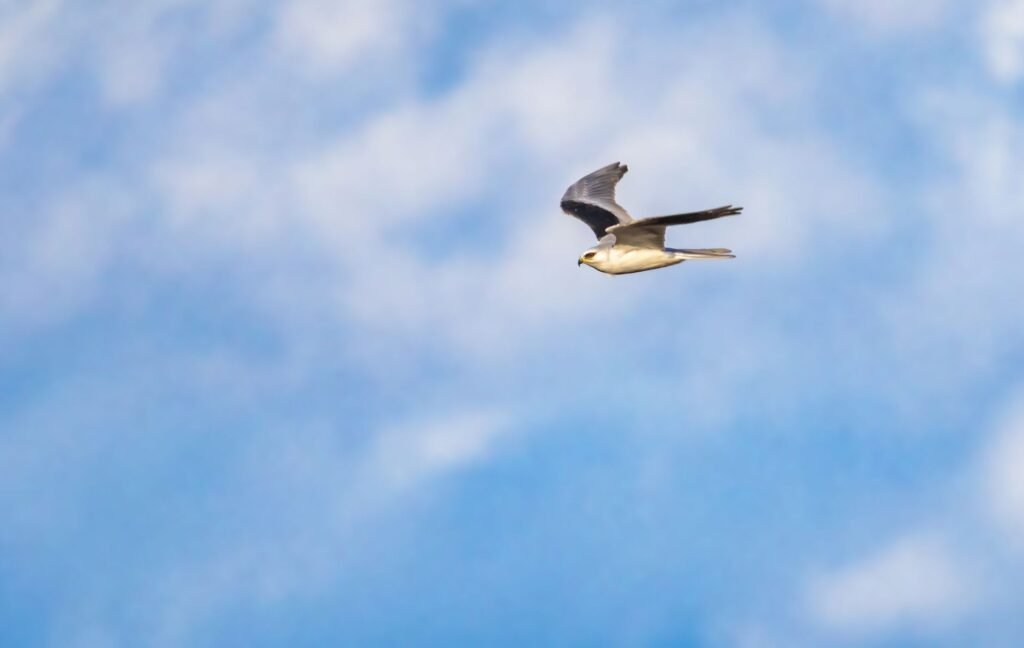
The Significance of Wings in Scripture
Throughout the tapestry of the Holy Scriptures, the imagery of wings serves as a profound metaphor for the nature of God, the character of his messengers, and the experience of those who find their refuge in him. When we read of wings in the Bible, we are rarely looking at a merely biological description of birds or creatures. Instead, we are being invited to contemplate the expansive, protective, and transcendent reality of the Almighty. The wing represents a space of shelter, a means of swift movement, and a symbol of divine proximity that touches the very heart of our human experience.
For many believers, the mention of wings immediately brings to mind the comfort of being held by a God who is both infinite and intimately involved in the details of our lives. Whether we are navigating the storms of life or seeking a deeper understanding of the holiness of God, the recurring motif of wings provides a sanctuary for the soul. As we journey through the pages of the Old and New Testaments, we find that this imagery connects the earthly struggle with the heavenly promise, reminding us that we are never truly alone or unprotected.
In this study, we will explore how this imagery manifests across different contexts, from the wings of the cherubim in the temple to the metaphorical wings of the Most High. We will see how these symbols interact with our deepest needs for trust, peace, and divine guidance, ultimately pointing us toward the salvation found in Jesus Christ. By examining these passages, we can gain a clearer vision of the God who covers us with his presence and invites us to rest in the shadow of his care.
The Shelter of the Almighty
Perhaps the most frequent and poignant use of wing imagery in the Bible is found in the poetic books, particularly in the prayers of David. In Psalm 91:4, we are told that God will cover us with his pinions, and under his wings we will find refuge. This is a powerful image of maternal protection, reminiscent of a mother bird shielding her young from the elements or from predators. For David, who spent much of his life fleeing from enemies and navigating the complexities of leadership in Jerusalem, this metaphor was not merely a poetic flourish; it was a lifeline of hope and trust.
When we face seasons of anxiety and fear, the promise of being under the shadow of his wings offers a profound sense of peace. It suggests that while the world may be chaotic and filled with threats, there is a secret place of intimacy with God where his presence acts as a buffer against the turmoil. This is not to say that the believer will never experience suffering, but rather that within the context of that suffering, there is a divine covering that preserves the soul. It is a reminder that our security is rooted in his character, not in our circumstances.
Christian traditions have historically debated the extent to which these promises apply to temporal safety versus spiritual preservation. Some emphasize that the refuge under his wings is primarily a spiritual reality, a promise of ultimate salvation and eternal security, even when the body is in danger. Others point to the many instances in the life of David where God provided tangible deliverance from his foes. Regardless of the specific interpretation, the consensus across the church is that the wings of God represent an invitation to draw near to him, finding in his presence the ultimate source of courage for the challenges of life.
Angels and the Holiness of God
Beyond the metaphorical protection of God, the Bible also introduces us to celestial beings who possess wings as a mark of their service and proximity to the divine throne. In the vision of Isaiah, the seraphim are described as having six wings: two to cover their faces, two to cover their feet, and two with which they flew, as recorded in Isaiah 6:2. This imagery is deeply tied to the concept of holiness. The wings serve to veil the creatures from the direct, blinding glory of God and to facilitate their immediate, swift obedience to his commands.
This depiction of the seraphim emphasizes that even the highest of heavenly beings are defined by their humility and their posture of worship before the Creator. The wings are instruments of service, not of self-glory. They illustrate that the closer one is to the throne of God, the more one is consumed by the realization of his majesty. For the human reader, this offers a lesson in how we should approach God. While we do not have physical wings, our lives are meant to be a form of worship that acknowledges his holiness and our total dependence upon him.
When we consider the role of these winged beings, we are also reminded of the intersection between the heavenly and the earthly. These messengers appear at critical junctures in history, bridging the gap between the divine will and human action. Their presence reminds us that God is actively working in history, directing the affairs of the world with a precision that far exceeds our understanding. By studying these accounts, we are encouraged to cultivate a heart of reverence, recognizing that our lives are lived in the sight of a holy God who is worthy of all our devotion.
The Wings of Healing and Righteousness
In the final book of the Old Testament, the prophet Malachi offers a beautiful promise that bridges the gap between the law and the coming of the Messiah. In Malachi 4:2, the prophet declares that for those who fear the name of the Lord, the sun of righteousness shall rise with healing in its wings. This imagery is particularly striking because it transforms the concept of wings from a shield of protection into a vehicle for restoration and renewal. It is a promise that the coming of God’s kingdom brings not just judgment, but the profound healing of the brokenness caused by sin.
This verse has long been a source of comfort for those experiencing physical or emotional suffering. It suggests that the presence of the Messiah is not distant or indifferent, but actively engaged in the work of mending what has been torn apart. Whether it is the healing of a wounded conscience, the restoration of a fractured relationship, or the comfort of a grieving heart, the imagery of healing wings speaks to the transformative power of God’s grace. It is a reminder that God’s purpose for his people is wholeness and reconciliation.
As we reflect on this passage, we are invited to consider the nature of our own need for healing. We live in a world marked by the consequences of sin, where pain and loss are common experiences. Yet, the promise of the sun of righteousness reminds us that the ultimate victory belongs to God. Through faith, we can look forward to the day when all things are made new, and the shadows of this life are replaced by the radiant light of his presence. This hope sustains us, allowing us to persevere through the trials of the present, knowing that our ultimate healing is secured by the One who loves us.
Wings as a Symbol of Divine Guidance
The Bible also uses the imagery of wings to describe the way God guided his people out of the land of Egypt. In Exodus 19:4, God reminds Moses and the people of Israel that he bore them on eagles’ wings and brought them to himself. This is a powerful image of liberation and intentionality. It suggests that the exodus was not a haphazard escape, but a deliberate act of God’s grace, moving his people from a state of slavery into a covenant relationship with him. The eagle, known for its strength and ability to soar above the earth, serves as a fitting metaphor for the power and sovereignty of God.
This passage teaches us much about the nature of divine guidance. God does not merely point us in the right direction; he actively sustains us and carries us through the transitions of our lives. When we feel overwhelmed by the magnitude of the tasks before us or the uncertainty of the future, we can take heart in the knowledge that we are being carried by the same God who led his people through the wilderness. This is a call to trust, to lean into his direction, and to recognize that our progress in the faith is a result of his sustaining strength.
Furthermore, this image of eagles’ wings speaks to the development of our faith. Just as an eagle is said to teach its young to fly by stirring up the nest and catching them on its wings, so too does God often allow us to step out of our comfort zones, only to catch us when we stumble. This process of growth is essential for our spiritual maturity. It requires us to abandon our reliance on our own abilities and to place our full weight upon the wings of his providence. In doing so, we discover a depth of faith that we could never have attained while remaining in the safety of our own making.
The Call to Discipleship and Humility
When we look at the ministry of Jesus, we see the culmination of these themes. While Jesus did not possess physical wings, his life and teachings embodied the protective, guiding, and healing care that the imagery of wings represents. In Matthew 23:37, Jesus laments over Jerusalem, expressing his desire to gather her children together as a hen gathers her brood under her wings, yet they were not willing. This heartbreaking statement reveals the depth of his compassion and the tragedy of rejection. It highlights that the refuge God offers is available to all, but it must be received with a humble and repentant heart.
This passage serves as a sobering reminder of the importance of obedience and the danger of pride. The people of Jerusalem were offered the protection of the Messiah, yet their hearts were hardened by their own agendas. For the modern disciple, this is a call to constant self-examination. Are we willing to come under the wing of his leadership, or are we insisting on going our own way? True discipleship involves a surrender of the ego, a recognition that we are not the masters of our own destiny, but rather followers of the One who laid down his life for us.
The image of the hen gathering her chicks also speaks to the community of the church. We are called to be a people who offer the same kind of protective, nurturing love to one another. In a world that is often harsh and unforgiving, the church should be a place where the broken can find refuge, where the weary can find rest, and where the grace of God is made visible through our actions. By embodying this spirit of compassion, we reflect the heart of Christ and become a witness to the transformative power of his love in a hurting world.
The Eternal Perspective
As we conclude our study, we are reminded that the imagery of wings is ultimately a pointer to the eternal reality of God’s kingdom. In the book of Revelation, we see the living creatures surrounding the throne, each having six wings and full of eyes all around, as noted in Revelation 4:8. This final vision of heaven reinforces the themes of worship, holiness, and divine oversight that we have explored throughout the Bible. It confirms that the God who was a refuge for David and a guide for Moses is the same God who will reign forever, surrounded by the praises of his people.
This eternal perspective changes how we live our lives in the present. It helps us to maintain a sense of gratitude for the grace we have received and a sense of hope for the future that awaits us. When we face the inevitable challenges of life—the moments of suffering, the seasons of doubt, and the trials of our faith—we can look upward, knowing that our help comes from the Lord. We are not defined by our circumstances, but by the God who covers us with his presence and sustains us with his power.
Let us walk forward with the confidence that comes from knowing we are under the shadow of his wings. Let us practice the humility of the seraphim, the trust of the Israelites in the desert, and the repentance of those who hear the call of Christ. As we do so, we will find that our lives become a testament to his goodness, a reflection of his holiness, and a beacon of hope to a world in need of his light. The wings of God are not just a metaphor; they are the promise of a life lived in the shelter of the Most High, now and forevermore.
Living Under His Care
The journey of faith is often described as a walk, a race, or a pilgrimage, but it is also a process of learning to dwell. To dwell under the wings of the Almighty is to cultivate a life of prayer and constant communion with God. It is to move from a place of frantic striving to a place of quiet trust. When we meditate on the verses that speak of wings, we are invited to stop our running and to rest in the assurance that we are held. This is the essence of the peace that passes all understanding—a peace that is not dependent on the absence of problems, but on the presence of our protector.
As we integrate these biblical truths into our daily lives, we may find that our perspective on our own struggles begins to shift. Instead of seeing our difficulties as obstacles that we must overcome in our own strength, we begin to see them as opportunities to experience the sustaining power of God. We learn to pray with the confidence of those who know they are loved, and we learn to act with the courage of those who know they are not alone. This is the transformative power of the gospel, which meets us in our weakness and lifts us up on wings of grace.
May this study serve as an encouragement to you as you navigate your own walk with Christ. Whether you are currently in a season of joy or a season of suffering, know that the wings of the Lord are spread over you. He is the God of comfort, the God of justice, and the God of unfailing love. As you continue to read his Word, may you find yourself increasingly drawn to that secret place of his presence, where you can rest, reflect, and be renewed for the work he has called you to do. You are held, you are guided, and you are eternally secure in his hands.
A Final Reflection on Grace
Throughout the history of the church, the imagery of wings has been a source of profound theological reflection. From the early church fathers who saw in these verses the mystery of the Trinity and the humanity of Christ, to the reformers who emphasized the sovereignty of God in our salvation, the Bible’s metaphors have provided a rich language for our devotion. Each generation has found in these texts a way to express the inexpressible—the reality of a God who is both transcendent and immanent, both the Judge of all the earth and the Shepherd of our souls.
As we consider the breadth of these passages, we are reminded that the Bible is a cohesive story of redemption. From the early chapters of Genesis to the final vision of Revelation, God is revealed as the One who seeks to dwell with his people. The wings of his presence are the manifestation of his desire to be near to us, to protect us from the darkness, and to lead us into the light of his truth. This is the core of our faith: that God has not left us to navigate the complexities of this life on our own.
In closing, let us hold fast to the promises we have explored. Let us be a people who are known by our trust in his protection, our humility in his presence, and our commitment to his service. May our lives be a living testimony to the God who covers us with his wings, providing a refuge that the world can neither give nor take away. May we live with the assurance that we are his, and that under his shadow, we are safe for all eternity. Amen.
The Practical Application of Divine Shelter
Applying the concept of divine wings to our daily lives requires a conscious effort to shift our focus from the horizontal to the vertical. When we are tempted to give in to anger or to dwell on our anxieties, we can intentionally turn our thoughts toward the refuge we have in God. This is not a form of escapism, but a spiritual discipline that anchors our hearts in the truth. By practicing the presence of God through prayer and the reading of Scripture, we cultivate a sensitivity to his leading and a resilience that can withstand the pressures of the world.
Consider how you might incorporate this theme into your family life or your personal devotions. Perhaps you could memorize Psalm 91 or reflect on the imagery of the eagle in your prayers. When you feel the weight of responsibility or the sting of disappointment, take a moment to pause and visualize the shelter of his wings. Remind yourself that the same God who guided his people through the Jordan River is the same God who is with you in your current circumstances. This intentionality helps to foster a heart of gratitude and a posture of trust that can transform your outlook on life.
Finally, remember that the Christian life is meant to be lived in community. We are not meant to find refuge in isolation, but to share in the comfort of God together. As we support one another through the challenges of life, we act as the hands and feet of Christ, extending his protective care to those around us. By being a source of encouragement, mercy, and truth, we help our brothers and sisters to experience the reality of God’s wings. In this way, we participate in the ongoing work of his kingdom, reflecting his love to a world that is desperately in need of his peace.
The Unfolding of God’s Purpose
As we reflect on the totality of the biblical witness regarding wings, we see a consistent theme of God’s sovereign love. Whether he is described as a mother bird, a protector, or a deliverer, the message remains the same: God is for us. He is not a distant deity, but a Father who cares deeply for his children. This realization should fill us with a sense of awe and wonder, prompting us to live lives of worship and obedience. When we realize the extent of his care, our response is naturally one of gratitude and joyful service.
The path of the believer is not always clear, and there will be times when the way forward seems obscured by the clouds of life. Yet, even in those moments, we can trust in the guidance of the One who has promised to lead us. The imagery of wings reminds us that we have a perspective that transcends our limited human understanding. By leaning on his wisdom and trusting in his timing, we can navigate the uncertainties of life with a peace that is grounded in the eternal. This is the hope that sustains us, the anchor of our souls that keeps us firm in the midst of every storm.
May you continue to explore the depths of these scriptures, allowing the Word of God to shape your heart and mind. Let the imagery of wings be a constant reminder of the God who is always with you, always for you, and always working for your ultimate good. As you walk through the days ahead, may you experience the fullness of his presence, the comfort of his protection, and the joy of his salvation. You are never alone, for you are always under the shadow of his wings, held by the One who loves you with an everlasting love.