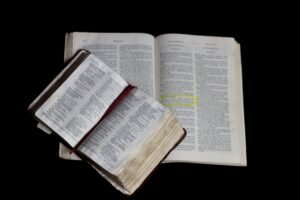
The Significance of Color in the Biblical Narrative
When we open the pages of Scripture, we are often struck by the vivid, textured language used to describe the nature of God and the state of the human heart. Among the many symbols employed by the biblical authors, the color white occupies a place of singular importance. It is not merely a visual descriptor but a theological shorthand for purity, holiness, and the transformative work of God. Whether we are reading the prophetic visions of the Old Testament or the apocalyptic imagery in the New Testament, white serves as a bridge between the finite world we inhabit and the infinite majesty of the Creator.
To understand the depth of this symbolism, we must look beyond the surface of the text. In the ancient Near Eastern context, white was often associated with light, cleanliness, and the absence of corruption. When the Bible speaks of white, it is rarely talking about a simple aesthetic choice; rather, it is inviting the reader to contemplate the nature of God’s own character. As we explore the various ways this color appears throughout the canon, we find that it consistently points us toward the necessity of grace and the promise of ultimate restoration. By tracing this theme, we gain a clearer vision of what it means to walk in the light of the truth.
The Whiteness of Holiness and Divine Presence
One of the most striking encounters with the imagery of white occurs in the prophetic accounts of the divine throne. When the prophet Daniel describes the Ancient of Days in Daniel 7:9, he notes that his clothing was white as snow, and the hair of his head like pure wool. This imagery is not meant to suggest a literal physical appearance so much as it is a way of communicating the absolute holiness and eternal nature of God. Holiness, in the biblical sense, is the state of being completely set apart, untainted by the corruption of sin or the decay of time. The whiteness of the Ancient of Days signifies a purity that is blinding to human eyes, a reminder that God stands apart from all created things.
This theme is echoed in the New Testament, particularly in the accounts of the Transfiguration. When Jesus ascended the mountain to reveal his glory to his disciples, his garments became radiant, intensely white, as described in Mark 9:3. This was a moment of profound revelation, where the veil between the human and the divine was momentarily pulled back. The white light of that moment underscored the fact that Jesus was not merely a teacher or a prophet, but the very embodiment of the holiness of God. It serves as a reminder to us today that when we approach God in prayer, we are entering the presence of the One who is the source of all purity and truth.
Different Christian traditions interpret these moments of divine manifestation with varying degrees of emphasis. Some traditions focus heavily on the mystical nature of this light, seeing it as an invitation to contemplative worship, while others emphasize the ethical implications of standing before such a holy God. Regardless of one’s specific theological framework, there is a universal recognition that the whiteness associated with divine presence demands a response of humility and awe. We cannot stand in the presence of such purity without recognizing our own need for cleansing and the overwhelming reality of God’s grace.
The Cleansing Power of Forgiveness
Perhaps the most comforting aspect of the color white in Scripture is its association with the forgiveness of sin. In the book of Isaiah, we find the famous invitation where God calls his people to reason together, promising that though their sins are like scarlet, they shall be as white as snow, as noted in Isaiah 1:18. This transition from the deep, stubborn stain of scarlet to the pristine whiteness of snow is a powerful metaphor for the work of repentance and the radical nature of divine mercy. It suggests that no matter how deep the impact of our transgressions, the grace of God is sufficient to restore us to a state of purity.
This theme of cleansing is central to the Christian understanding of salvation. We see this reflected in the imagery of the robes of the saints, described in Revelation 7:14 as being washed white in the blood of the Lamb. This paradox—that white, the color of purity, is achieved through the shedding of blood—is the heartbeat of the gospel. It teaches us that forgiveness is not a trivial matter; it is a costly gift. The whiteness we receive is not a result of our own efforts or our own moral achievements, but a direct consequence of the work of Christ on our behalf. It is a gift of grace that invites us to live in the freedom of those who have been made new.
Understanding this aspect of the biblical narrative helps us to address the reality of our own struggles with sin. It is easy to fall into the trap of believing that our past defines our future, or that some stains are too deep to be erased. However, the promise of being made white as snow reminds us that the power of God is greater than the power of our mistakes. Whether we are dealing with the weight of guilt or the persistent temptation to return to old patterns, the gospel offers the hope of renewal. This is a message of profound comfort, grounded in the truth that God is in the business of restoration and that his mercy is renewed every morning.
White Garments and the Life of Discipleship
In the New Testament, the imagery of white clothing is often applied to the life of the believer. In Revelation 3:5, we are told that those who overcome will be clothed in white garments. This imagery suggests that the purity we receive through faith is not just a one-time event; it is a way of life. Discipleship involves a daily commitment to walking in the light, which means aligning our hearts and actions with the character of God. It is a call to holiness that is lived out in the ordinary rhythms of our lives, from the way we interact with our family to the way we handle the challenges of our work.
This pursuit of holiness is not about achieving perfection on our own terms, but about allowing the truth of the gospel to transform our desires. When we speak of holiness, we are talking about being shaped by the grace of God so that we reflect his love and justice in the world. This is a lifelong process, one that requires patience and perseverance. We are called to be people who are marked by a different kind of purity—a purity of motive, a purity of heart, and a transparency that characterizes those who have nothing to hide because they are secure in the love of God.
Of course, different denominations have different perspectives on how this pursuit of holiness is best cultivated. Some traditions emphasize the importance of spiritual disciplines and communal accountability, while others focus more on the internal movement of the Holy Spirit in the heart of the individual. Despite these differences, there is a shared commitment to the idea that the life of a follower of Jesus should be distinct. We are called to be like white light, refracting the glory of God into a dark and broken world. This is the essence of our witness, and it is a challenge that we are invited to meet with courage and humility every single day.
The Hope of Resurrection and Future Glory
Finally, the color white serves as a beacon of hope for the future. Throughout the Bible, we see a movement from the darkness of the fall toward the light of the new creation. In the final chapters of the book of Revelation, we are given a glimpse of the city of God, a place where the light of the Lamb is the lamp, and where there is no more night. This vision is filled with the imagery of whiteness—the white throne, the white robes of the redeemed, and the shimmering light of the celestial city. It is a vision of ultimate peace, where the suffering and conflict of this life have been fully resolved.
This hope is not a way of escaping the realities of the present, but a way of grounding our lives in the certainty of the future. When we face anxiety and fear, or when we look at the brokenness of our world and wonder where justice can be found, we can look to the promise of the resurrection. We know that the story does not end in the shadows, but in the blinding, beautiful light of God’s presence. This perspective gives us the strength to endure, knowing that our labor in the Lord is never in vain and that the ultimate outcome of history is secure in the hands of the Creator.
This hope also informs our understanding of the human condition. We are people who live in the tension between the “already” and the “not yet.” We experience the grace of God in the present, but we also long for the day when all things will be made new. This longing is a form of worship, an acknowledgment that our true home is not in this world, but in the kingdom of God. As we wait for that day, we are called to live as citizens of that kingdom, reflecting the light of heaven in the way we treat our neighbors, the way we pursue truth, and the way we offer compassion to those who are suffering.
Reflecting on the Light of Truth
As we conclude this reflection on the meaning of white in the biblical narrative, it is helpful to consider how these truths can be applied to our daily lives. The study of Scripture is not merely an intellectual exercise; it is a spiritual practice that is meant to shape our souls. When we encounter the imagery of white—whether it is in the holiness of God, the cleansing of our sins, the call to discipleship, or the hope of the resurrection—we are being invited to step out of the shadows and into the light. This is an invitation to be honest about our needs, to be expectant of God’s grace, and to be active in our pursuit of his kingdom.
Perhaps you can take a moment this week to read through passages like Psalm 51:7, where the psalmist prays to be washed and made whiter than snow. Use this as a prayer for your own heart. Ask God to reveal the areas of your life where you are holding onto the darkness of past mistakes or the weight of unnecessary burdens. Invite him to cleanse you with his grace and to clothe you with his righteousness. Remember that this is not a process you have to undergo alone; you are part of a community of believers who are all on the same journey, all in need of the same mercy, and all traveling toward the same light.
Ultimately, the color white in the Bible is a sign of God’s relentless love for his people. He is the God who pursues us, the God who purifies us, and the God who promises to walk with us until the very end. As you move forward in your walk of faith, may you be encouraged by the knowledge that you are seen, you are known, and you are deeply loved. May your life be a reflection of the purity and grace that you have received, and may you always find your strength in the light of the One who makes all things new. Trust in his guidance as you navigate the complexities of life, and hold fast to the hope that is yours in Christ.
The Integration of Grace and Truth
In our journey through the scriptures, it is essential to remember that the beauty of the gospel lies in the perfect integration of grace and truth. The whiteness of God’s holiness, which we examined earlier, is not a barrier that keeps us away from him; it is the very standard by which he invites us into a relationship. When we look at the life of someone like David, we see a man who was deeply flawed yet was called a man after God’s own heart. His story is a testament to the fact that God’s holiness does not mean he is distant or indifferent to our struggles. Rather, it means that he is the only one capable of truly healing us and setting us on the right path.
We see this same dynamic in the life of Mary, who was chosen to bear the Savior of the world. Her response of obedience and humility is a model for us all. She understood that being in the presence of the holy required a surrender of her own plans and an embrace of God’s purpose. In the same way, the places we read about in the Bible—from the humble streets of Nazareth to the bustling city of Jerusalem—are reminders that God’s work is always grounded in the real, tangible world. He enters into our history, our geography, and our personal narratives to bring about his redemptive plan. The light of his truth is not something to be kept in a book; it is meant to be lived out in the streets where we walk and the homes where we dwell.
As you reflect on these themes, consider how you can foster a culture of grace and truth in your own sphere of influence. Whether in your marriage, your workplace, or your local community, you have the opportunity to be a light. This does not mean you have to be perfect; it means you have to be honest. It means being willing to admit when you are wrong, to seek forgiveness, and to extend the same mercy to others that you have received from God. This is the essence of discipleship—a life that is constantly being washed and renewed, a life that points others toward the brilliant, welcoming light of the gospel.
Final Thoughts on the Journey Ahead
As we close this study, let us carry with us the assurance that the God of the Bible is the same yesterday, today, and forever. The themes of purity, holiness, and grace that we have traced through the pages of Scripture are not static concepts; they are living realities that continue to shape our world and our lives. When we read that God is light and in him there is no darkness at all, as we find in 1 John 1:5, we are being given a promise that we can rely on in every season of life. Whether we are in a time of joy or a time of suffering, the light of God’s presence remains constant.
Let this be a source of constant encouragement for you. When the world feels chaotic or when your own heart feels heavy, remember the imagery of the white robes of the redeemed. Remember that your identity is not found in your circumstances, but in the grace of the One who has called you out of darkness and into his marvelous light. This is a truth that can sustain you through any trial, a truth that can provide the peace that passes all understanding, and a truth that can guide your steps as you seek to honor God in all that you do.
May your study of the Bible continue to be a source of deep joy and profound growth. May you find yourself constantly drawn to the beauty of God’s character, and may your life be a testament to the transformative power of his love. Keep seeking his face, keep trusting in his promises, and keep walking in the light. The journey of faith is long and sometimes challenging, but it is a journey that leads to the very heart of God, where we find our rest, our hope, and our eternal home. As you look toward the horizon, may you be filled with the confidence that the end of the story is one of ultimate, radiant, and everlasting light.
The Call to Persistent Faith
The call to live in the light is inherently a call to persistent faith. In a world that often celebrates the gray areas and the shifting sands of moral relativism, the biblical standard of holiness can feel like an impossible mountain to climb. Yet, we must remember that we are not climbing it alone. The very God who calls us to be holy is the one who provides the strength to persevere. This is where the topic of perseverance becomes so vital. It is not about our own willpower; it is about our daily reliance on the Holy Spirit to guide our thoughts, our words, and our actions. We are invited to cultivate a life of gratitude, recognizing that every step we take toward holiness is a gift.
Consider the life of Abraham, who was called to leave everything he knew and follow God into an unknown future. His faith was not a one-time decision but a lifelong journey of trust, marked by moments of both great strength and profound weakness. Yet, God remained faithful to him, guiding him, correcting him, and ultimately fulfilling his promise. In the same way, our own journey of faith will be marked by twists and turns, but the faithfulness of God remains the anchor of our souls. When we find ourselves struggling with temptation, we can turn to him in prayer, knowing that he is a compassionate high priest who understands our weaknesses and offers the help we need to stand firm.
As you continue to engage with the text of the Bible, allow these stories of the past to inform your present. Let the wisdom of the ages become the foundation for your daily decisions. When you face choices that require courage, look to the examples of those who have gone before you, and trust that the same God who empowered them is working in you. This is the beauty of the Christian life—it is a shared history, a collective witness to the power of God’s grace. We are part of a great cloud of witnesses, all testifying to the fact that the light of the gospel is the only thing that can truly satisfy the deepest longings of the human heart.
Walking in the Light of Community
Finally, it is worth noting that the pursuit of holiness and the life of faith is never intended to be a solitary endeavor. We are created for community, and it is within the context of the church that we are most often challenged and encouraged to live in the light. The topic of unity is paramount here. We are called to bear with one another, to forgive one another, and to build one another up in love. This is how we demonstrate to the world that we are disciples of Jesus. When we live in unity, we reflect the beauty of the triune God, who exists in a perfect, eternal relationship of love.
In our local congregations, we have the opportunity to practice the things we read about in the Bible. We can practice generosity by sharing our resources with those in need. We can practice compassion by walking alongside those who are experiencing suffering or loss. We can practice humility by putting the needs of others before our own. These are not just abstract virtues; they are the practical outworking of the gospel. They are the ways in which we make the white light of God’s holiness visible in a world that is often marked by division and self-interest. As we do this, we find that our own lives are transformed in the process.
So, as you go about your week, look for opportunities to be a vessel of God’s grace. Look for ways to bring the light of truth into the conversations you have and the decisions you make. Remember that you are an ambassador of the kingdom of God, called to represent his love and his justice in every place you go. This is a high calling, but it is one that you have been equipped for by the Holy Spirit. Trust in his guidance, lean on the support of your brothers and sisters in Christ, and never lose sight of the glorious hope that is yours. You are walking in the light, and that light is enough to guide you all the way home.
The Everlasting Promise of Renewal
To conclude our exploration of the theme of white in the Bible, let us return to the promise that God is making all things new. This is the ultimate goal of the entire biblical narrative—the reconciliation of all things to God, the restoration of creation, and the final defeat of sin and death. The whiteness of the new heavens and the new earth is a symbol of a world that is completely free from the corruption of the fall. It is a world where justice rolls down like waters and righteousness like an ever-flowing stream, as mentioned in Amos 5:24. It is a world where the presence of God is the source of all life and all joy.
This promise should fill us with a sense of expectant hope. It means that our current struggles are not the final word. It means that the injustices we see in the world will be addressed, that the sorrow we experience will be wiped away, and that the brokenness we feel will be healed. This is the good news of the gospel, and it is a message that we are called to share with the world. We are messengers of hope, pointing others toward the light that is coming and the grace that is already here. Let this truth anchor your heart as you navigate the complexities of your daily life.
Thank you for taking the time to journey through these scriptures with us. It is our prayer that this study has been a source of encouragement and a catalyst for deeper reflection. May the light of God’s truth shine brightly in your life, and may you be a reflection of that light to everyone you meet. Remember that you are never alone, that you are deeply loved, and that your life has a purpose that reaches beyond the boundaries of this world. Keep seeking, keep growing, and keep walking in the light of the Lord, for he is faithful, and his promises are sure.