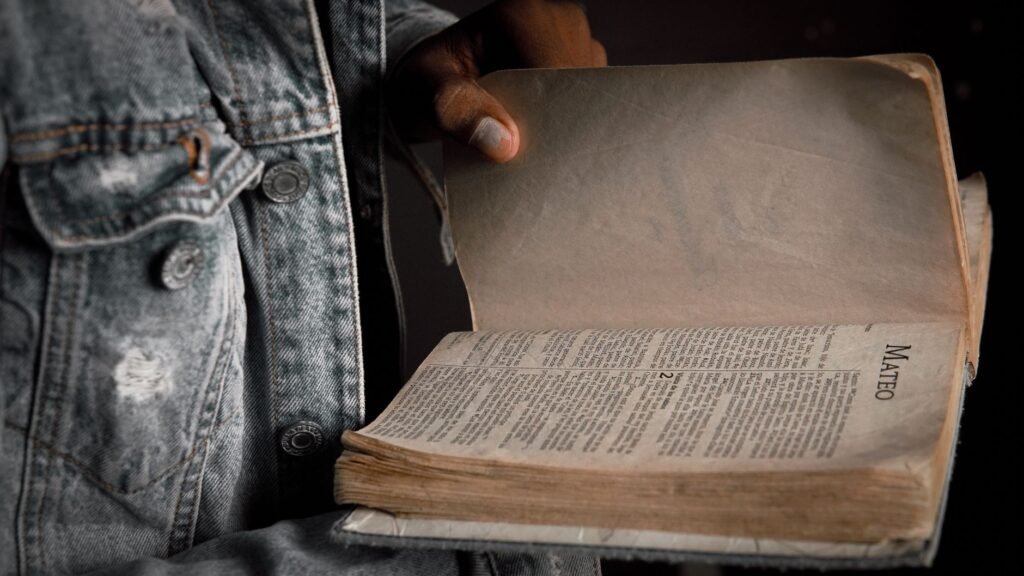
In our fast-paced, digital-first culture, the act of slowing down to engage with the Bible can feel like an uphill battle. We are often conditioned to consume information rapidly, scrolling past paragraphs of text without truly letting them settle into our hearts. However, the ancient discipline of meditation—pondering the word of God in our minds—is central to the life of a believer. One creative, tactile way to cultivate this stillness is through the practice of Bible verse drawing. By taking a pen or pencil to paper, we transition from passive readers to active participants in the text, allowing the Holy Spirit to move through our hands as we contemplate the depths of Scripture.
Bible verse drawing is not about artistic perfection or creating a gallery-worthy masterpiece. It is about the process of slowing down, observing the structure of a sentence, and meditating on the meaning of specific words. Whether you are a skilled illustrator or someone who struggles to draw a straight line, the act of writing out or sketching the imagery of a passage can anchor your focus. When we engage our fine motor skills in tandem with our cognitive processing, we often find that the verses we once skimmed over begin to take root in our memories and our affections. This practice invites us to linger in the presence of God, turning a fleeting thought into a lingering prayer.
The Theology of Creative Engagement
The history of the church is rich with visual expressions of faith. From the illuminated manuscripts produced by medieval monks to the stained-glass windows of cathedrals, believers have long understood that beauty can serve as a conduit for truth. When we draw a verse, we are participating in a long tradition of honoring the Word of God through our labor. We are not merely reading a static page; we are reflecting on the creative power of the One who spoke the universe into existence. Genesis 1:1 reminds us that God is the ultimate Creator, and as those made in his image, our creativity is a reflection of his own.
Some traditions emphasize that visual arts should be strictly utilitarian in a church setting, while others see artistic expression as a vital act of worship. Regardless of where you stand on the role of art in liturgy, there is no denying that the Bible itself is filled with imagery—vines, sheep, light, salt, and mountains—that invites us to visualize the spiritual realities being described. When we draw these images alongside the text, we are practicing a form of visual exegesis. By focusing on the metaphors used by writers like David in the book of Psalms, we can better understand the emotional and theological landscape of the passage, grounding our faith in the concrete reality of God’s care.
This practice also forces us to grapple with the text in its entirety. Instead of looking for a quick “life hack” or a single-sentence takeaway, we are compelled to look at the context of a verse. If you are drawing a passage about the trials of Joseph or the journey of Moses, you are forced to consider the narrative arc that leads to that specific moment. This requires a level of patience and perseverance that is often lost in our modern approach to Bible study. By slowing down to draw, we move from a surface-level reading to a deeper, more intentional engagement with the truth of the gospel.
Finding Stillness Amidst Anxiety and Fear
We live in a world that is characterized by constant noise and competing demands. Many of us struggle with deep-seated anxiety and fear, feeling the weight of the future or the pressures of the present. Drawing scripture provides a sanctuary of silence. It is a way to discipline the mind to stop racing and to rest in the promises of God. When we write out Philippians 4:6-7, we are not just practicing calligraphy; we are preaching to our own souls, reminding ourselves of the peace that surpasses all understanding.
As we sketch, we can pray through the words. If you are drawing a verse about the Lord being your shepherd as found in Psalm 23:1, you might visualize the imagery of green pastures and still waters. This visualization acts as a tether, pulling your wandering thoughts back to the character of God. In moments of intense stress, the physical act of drawing can be a grounding technique that helps us regulate our emotions while simultaneously filling our minds with the truth of Scripture. It is a way to practice the presence of God in a tangible, tactile manner.
Of course, it is important to remember that the drawing itself is not a magical charm. The power resides in the Word of God, not in our artistic efforts. Some Christian traditions might warn against placing too much emphasis on the sensory experience, fearing it could distract from the simple proclamation of the gospel. It is a valid concern; we must always ensure that our focus remains on Christ and his finished work. However, when used as a tool for meditation rather than an end in itself, drawing can be a powerful aid in overcoming the paralysis of anxiety and fear, replacing our internal noise with the clarity of God’s voice.
The Discipline of Contentment and Gratitude
In a culture of comparison, it is incredibly easy to lose sight of the blessings we already possess. We are constantly told that we need more, that we should be different, or that our lives are lacking in some fundamental way. Bible verse drawing acts as an antidote to this pervasive discontent. When we spend time illustrating a verse about gratitude, such as 1 Thessalonians 5:18, we are forced to slow down and acknowledge the goodness of God in our lives. It is difficult to remain bitter or envious when you are meticulously tracing the words that speak of God’s abundant grace.
The practice of drawing encourages us to focus on the “one thing” that matters. As we sit with a verse, we are reminded of the wisdom found in Proverbs 3:5-6, which calls us to trust in the Lord with all our heart rather than leaning on our own understanding. By drawing these verses, we are planting them into the soil of our hearts. Over time, these verses become a part of our internal vocabulary. When we face situations that tempt us toward jealousy or dissatisfaction, the verses we have spent time drawing often rise to the surface, bringing with them a sense of perspective and peace.
Furthermore, this practice can be a form of stewardship. We are using the time, talents, and resources God has given us to honor him. Whether you are using an expensive set of pens or a simple pencil on the back of a notepad, the act of offering your creative effort to the Lord is an act of worship. It is a way of saying, “God, I am setting aside this time to focus on you, to admire your beauty, and to thank you for your truth.” This posture of humility and gratitude is essential for the Christian life, and it is a beautiful fruit of a consistent, meditative study of the Bible.
Visualizing the Compassion and Grace of God
One of the most profound ways to use Bible verse drawing is to explore the themes of compassion and grace. When we read of the life of Jesus, we see a man who was deeply moved by the suffering of others. From the healing of the sick to the feeding of the hungry, his ministry was defined by a radical, self-giving love. By drawing verses that highlight these attributes, such as Ephesians 2:8-9, we are keeping the gospel at the center of our lives. We are reminded that our standing before God is not based on our own achievements, but on the unmerited favor he has lavished upon us.
Consider the journey of Paul, who wrote so extensively about the nature of grace. When we draw his words, we are tracing the path of a man who was transformed from a persecutor of the church into its most fervent advocate. His writings are filled with the tension of human frailty and divine strength. As we illustrate his letters, we can reflect on the reality that God’s power is made perfect in our weakness, a concept found in 2 Corinthians 12:9. This is not just an abstract theological point; it is a lived experience for every believer. Drawing these verses allows us to sit with the reality of our own sinfulness and the greater reality of God’s forgiveness.
Some denominations place a heavy emphasis on the forensic aspect of salvation—the legal declaration of righteousness—while others focus more on the transformative, healing aspect of grace. Both are present in the biblical text. By drawing verses that span the breadth of these theological perspectives, we gain a more holistic understanding of the Christian faith. We see that God is both a just judge and a merciful father. Visualizing these truths helps us to avoid the ditches of legalism on one side and license on the other, keeping our eyes fixed on the person and work of Jesus Christ.
Connecting with the Geography of Faith
The Bible is a book grounded in time and place. It does not occur in a vacuum; it takes place in real locations with real history. When we study the movements of the people of God—from the escape through the Jordan River to the arrival in Jerusalem—we are reminded that our faith is rooted in historical events. Bible verse drawing can be an opportunity to study the geography of the Bible. You might draw a map of the region where a specific event occurred, or sketch the landscape described in a prophetic passage. This adds a layer of depth to our understanding of the text.
Think of the significance of Bethlehem, the small town where the Savior was born. When we read the prophecies concerning this place, we see how God orchestrates history to fulfill his promises. Drawing the context of these verses can help us see the “big picture” of redemption. It reminds us that the same God who was working in history then is working in our lives today. He is the God of the big picture, the God who sees the end from the beginning, and he is intimately involved in the details of our earthly journey.
Even the mention of Egypt, a place of both refuge and bondage in the biblical narrative, serves as a reminder of God’s sovereignty. Whether he is sustaining his people through famine or delivering them from oppression, God is always present. By drawing these locations alongside the verses that mention them, we are creating a visual record of God’s faithfulness throughout history. It is a way of saying, “Lord, I see what you have done, and I trust you with what you are doing now.” This geographical awareness can transform our Bible study from a dry academic exercise into a vibrant, living encounter with the God of the Bible.
The Role of Discipleship and Community
While Bible verse drawing is often a solitary practice, it can also be a powerful tool for discipleship and community. Sharing your drawings with others can spark meaningful conversations about the text. It is a way to bear witness to what God is teaching you and to invite others into the same process of discovery. In a small group setting, you might spend time drawing a verse together and then discussing how it applies to your lives. This communal engagement with Scripture helps us to see things we might have missed on our own.
We are called to sharpen one another, and there is no better way to do that than by centering our conversations on the Word of God. When we share our creative reflections, we are showing a vulnerable side of our walk with Christ. We are admitting that we are still learning, still growing, and still in need of the wisdom that comes from above. This kind of humility is the hallmark of true discipleship. It creates an environment where people feel safe to share their struggles, their questions, and their triumphs, all while keeping the focus on the truth of the gospel.
Furthermore, this practice can be passed down to the next generation. Teaching children or new believers how to draw verses is a wonderful way to introduce them to the discipline of meditation. It makes the Bible accessible and engaging, turning abstract concepts into concrete images. It reminds us that our faith is not just a set of rules to follow, but a relationship to cultivate. By making the Word of God a part of our creative lives, we are passing on a legacy of love and devotion that will bear fruit for years to come. Whether in a classroom or around a kitchen table, the practice of sharing our verse drawings can build unity and deepen our shared commitment to the truth.
Practical Steps for Your Artistic Journey
If you are feeling intimidated by the prospect of “drawing” the Bible, let me offer some encouragement: start small. You do not need expensive supplies or formal training. A simple notebook and a pen are more than enough. Begin by choosing a single verse that speaks to your current situation. It might be a verse about patience, perseverance, or the love of God. Read it several times, slowly, and ask the Lord to open your eyes to its meaning. Then, start to write it out. You can experiment with different lettering styles, or you can simply focus on the layout of the words on the page.
As you write, think about the imagery within the verse. If it mentions light, perhaps you can draw a small candle or a sunbeam. If it mentions a rock, draw a mountain or a stone. These simple additions can help to anchor the text in your mind. Do not worry about whether the drawing looks “good.” The goal is not an aesthetic achievement; the goal is to spend time with the Author of the book. If you find yourself distracted, take a moment to pray, asking for the Holy Spirit to quiet your heart and focus your mind on the task at hand.
Consistency is key. You might find it helpful to set aside a specific time each day for this practice, perhaps as part of your morning devotions or as a way to wind down in the evening. Keep your drawings in a dedicated journal so you can look back on them over time. You will be amazed to see how your understanding of certain verses has grown and how the Lord has used these simple sketches to speak to you in different seasons of life. It is a record of your journey with God, a testament to his faithfulness, and a tool for your ongoing sanctification.
The Eternal Value of the Word
Ultimately, the practice of Bible verse drawing is about honoring the eternal value of the Word of God. We are told in Scripture that the grass withers and the flower fades, but the word of our God will stand forever. When we invest our time and energy into meditating on that Word, we are investing in that which is eternal. We are building our lives on a foundation that cannot be shaken. The world may change, our circumstances may fluctuate, and our feelings may shift, but the truth of God remains constant and sure.
As you continue your journey of Bible verse drawing, remember that you are not doing this alone. You are joining a long line of saints who have sought to know God through his written Word. You are participating in the ongoing work of the Holy Spirit, who illuminates the text and applies it to our hearts. Take heart in the promise that God is always with you, guiding you by his Spirit and sustaining you by his grace. Whether you are in a season of joy or a season of suffering, the Word of God is a lamp to your feet and a light to your path.
Let this practice be a source of encouragement and strength. Let it be a way to express your love for the Lord and your desire to know him more deeply. May your drawings be more than just ink on paper—may they be a reflection of the work that God is doing in your life. May they be a constant reminder of his goodness, his mercy, and his unfailing love. And above all, may they draw you closer to the heart of the One who gave his life for you, the One who is the Word made flesh, our Savior and our King, Jesus Christ.
In the final analysis, the method matters far less than the motive. Whether you use paint, charcoal, colored pencils, or just a ballpoint pen, the purpose remains the same: to fix our eyes on Jesus, the author and perfecter of our faith. As you continue to draw and meditate, you will find that the lines on your page become paths to deeper intimacy with God. You will find that the verses you once read as mere words become living, breathing promises that guide you through every trial and sustain you through every triumph. This is the beauty of the Word, and this is the joy of the journey. Keep drawing, keep praying, and keep trusting in the God who has promised to complete the good work he has begun in you.
May your time spent in the Word be marked by a sense of wonder and a deep, abiding peace. May you find that as you draw, you are being drawn into a deeper relationship with the Father, the Son, and the Holy Spirit. And may the truth of Scripture be written not just on the pages of your journal, but on the tablets of your heart. For the Word of God is alive and active, and it is more than capable of transforming us from the inside out. As you continue to engage with the Bible in this creative way, may you be filled with the knowledge of his will in all spiritual wisdom and understanding, walking in a manner worthy of the Lord, fully pleasing to him, bearing fruit in every good work and increasing in the knowledge of God.
The act of drawing a verse is a small, humble offering, but when placed in the hands of the Lord, it can be a means of profound spiritual growth. It is an invitation to pause, to breathe, and to behold the glory of God in the face of Jesus Christ. As you look back on your drawings, let them serve as milestones of your walk with the Lord—reminders of the lessons he has taught you, the comfort he has provided, and the strength he has supplied. Let them be a testament to the fact that you are a person of the Book, a disciple of the Word, and a child of the King. May your life be a beautiful, living illustration of the truths you have meditated upon, shining as a light in a world that desperately needs the hope of the gospel.
As we conclude, let us remember that the ultimate goal of all our study and all our creative endeavors is the glory of God. We draw not to show off our skills, but to show forth the beauty of his truth. We draw not to add to the Word, but to immerse ourselves in it. We draw not to escape reality, but to see reality through the lens of God’s eternal perspective. May this practice be a blessing to you, a source of renewal, and a catalyst for a deeper, more vibrant faith. Go forward in the strength of the Lord, and may your heart always be open to the wonders of his Word.
In all things, let us strive to be faithful stewards of the truth, holding fast to the confession of our hope without wavering, for he who promised is faithful. Whether you are drawing in the quiet of the morning or the stillness of the night, know that you are participating in a holy work. You are engaging with the very breath of God, and that is a privilege beyond measure. May you be blessed as you continue to seek him, to know him, and to make him known through every stroke of your pen and every meditation of your heart.
Finally, let us always remain open to the ways that God might lead us in our study. There is no single “right” way to draw Scripture, just as there is no single “right” way to pray or to worship. The key is to remain humble, teachable, and dependent on the Holy Spirit. As we walk this path together, let us encourage one another, bear one another’s burdens, and celebrate the unity we have in Christ. May your journey of Bible verse drawing be a fruitful one, filled with the joy of discovery and the peace that comes from resting in the finished work of our Lord and Savior, Jesus Christ.
There is a profound simplicity in the gospel, and that simplicity is reflected in the way we can approach the Word of God. We do not need to be scholars or artists to hear the voice of our Shepherd. We only need a heart that is willing to listen and a spirit that is ready to obey. As you continue to illustrate the truth, may you find that your life becomes an increasingly clear reflection of the gospel, a testament to the grace that has saved you and the power that sustains you. May you be encouraged, may you be challenged, and may you be forever changed by the Word that is living and active, sharper than any two-edged sword.
Let this be your prayer: that your eyes would be opened to see the wondrous things in God’s law, that your heart would be enlarged to love his commandments, and that your life would be a living sacrifice, holy and acceptable to God, which is your reasonable service. May your drawings be a constant reminder of these truths, and may they lead you deeper into the heart of the Father. And when you look back on your journals years from now, may you see not just drawings, but the hand of God at work in your life, shaping you, molding you, and drawing you ever closer to himself.
In the quiet moments of your drawing, may you hear the still, small voice of the Spirit speaking peace to your soul. May you find the strength to face your fears, the grace to forgive those who have wronged you, and the wisdom to navigate the complexities of life with integrity and love. May you be a person of hope, a person of faith, and a person of deep, abiding joy. For the Lord is good, his steadfast love endures forever, and his faithfulness to all generations. May you walk in the light of his truth all the days of your life.
As you close your journal and put away your pens, carry the truth of the verse you have drawn with you throughout the day. Let it be the lens through which you see your circumstances, the anchor for your emotions, and the guide for your decisions. Let it be the song in your heart and the message on your lips. For the Word of God is not just for our study; it is for our living. And as we live out the truth we have drawn, we bear witness to the power of the gospel in a world that is longing for hope.
May you be blessed in this journey of faith, and may your life be a testament to the transformative power of the Word of God. Keep drawing, keep studying, and keep trusting in the One who has promised to be with you always, even to the end of the age. For he is the Alpha and the Omega, the beginning and the end, the author and the finisher of our faith. To him be glory, honor, and praise, now and forevermore. Amen.