The Power of Visualizing the Resurrection
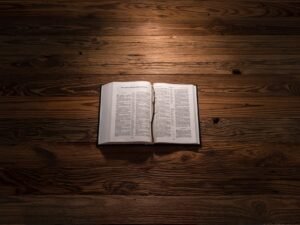
In our modern digital age, we are constantly bombarded with imagery. From the moment we wake up to the glow of our phones to the advertisements lining our commutes, our eyes are tethered to screens. Yet, there is something deeply ancient and profoundly human about the desire to attach a visual anchor to a spiritual truth. When we look for Easter Bible verse images, we are participating in a tradition that stretches back to the earliest days of the church, where the stained-glass windows of cathedrals served as the poor man’s Bible, illustrating the narrative of redemption for those who could not read the Latin scrolls. Today, a simple image of a verse can serve as a momentary altar in the middle of a busy workday, a way to tether our wandering minds back to the central event of history: the resurrection of Jesus Christ.
The act of reading a verse paired with an evocative image does not replace the deep study of the text, but it acts as a bridge. It invites us to pause. When we encounter a verse like John 11:25, which reminds us that Jesus is the resurrection and the life, seeing those words overlaid on an image of an empty tomb or a morning sunrise helps the truth move from the intellectual realm into the emotional and spiritual landscape of our lives. It is a form of meditation, a way of dwelling on the word of God until it becomes a part of the fabric of our daily thoughts. As we approach the season of Easter, we find ourselves drawn to the weight of these words, seeking to understand how the sacrifice of the Savior reshapes our understanding of Hope and Grace.
While different Christian traditions have varying views on the use of imagery in worship—some emphasizing strict aniconism to avoid any hint of idolatry, while others embrace iconography as a window into the divine—there is a broad consensus that the Word of God is living and active. Whether you prefer a minimalist graphic or a classical painting, the goal remains the same: to fix our eyes on the finished work of Christ. By integrating scripture into the visual media we consume, we are essentially curating our own digital environment, replacing the noise of the world with the clarity of the gospel. This practice can be a powerful tool for discipleship, helping us to hide the word in our hearts so that when we face the trials of life, the truth is readily available.
The Weight of History and the Hope of Jerusalem
To truly understand the significance of the Easter narrative, we must ground ourselves in the geography of redemption. The events of the passion, death, and resurrection did not occur in a vacuum; they took place in the physical, dusty, and politically charged streets of Jerusalem. When we look at images of the city today, or historical renderings of the Via Dolorosa, we are reminded that our faith is not based on myths or abstract philosophical concepts, but on real events that occurred in real time and space. The resurrection is an historical claim, one that invites us to investigate the evidence and respond with our whole lives. When we reflect on verses like Luke 24:6, which declares that he is not here but has risen, we are standing on the bedrock of history.
The city of Jerusalem has long been a place of both great joy and great sorrow, a microcosm of the human experience. It was here that David established his kingdom, and it was here that the ultimate King of kings would suffer and triumph. By connecting our favorite Easter verses to the reality of this location, we gain a deeper appreciation for the cost of our Salvation. We are reminded that the peace we enjoy today was bought with a price. The contrast between the dark, stone-hewn tomb and the bright, open sky of the resurrection morning is a visual metaphor for the transition from death to life that every believer experiences through faith. This is the heart of the Christian story—a story of restoration that begins in the very places where humanity felt the most broken.
Some traditions focus heavily on the liturgical reenactment of the events in Jerusalem, emphasizing the physical journey of the cross, while others lean toward a more internal, personal appropriation of the resurrection power. Both perspectives find common ground in the belief that the empty tomb changes everything. When we see a verse like 1 Corinthians 15:20, which calls Christ the firstfruits of those who have fallen asleep, we are reminded that our future is secure. This hope is not a wishful thought; it is an anchor for the soul, rooted in the historical reality of the resurrection. By keeping these visual reminders before us, we ensure that the significance of Jerusalem remains central to our daily walk, rather than being relegated to a single Sunday on the calendar.
The Witness of Mary and the Call to Discipleship
Among the many figures who populate the gospel accounts of the resurrection, Mary Magdalene stands out as a witness of profound courage and devotion. Her journey to the tomb in the early morning darkness is a testament to the kind of love that persists even when all hope seems lost. When we look at images that depict the encounter between the risen Christ and Mary near the garden tomb, we are reminded that the gospel is personal. It is not just a cosmic event; it is a series of individual encounters that change the trajectory of human lives. John 20:16 records the moment Jesus speaks her name, and she recognizes him as the Teacher. This intimate moment is a powerful reminder that the Risen Lord knows each of us by name.
Mary’s role as the apostle to the apostles reminds us that the call to Discipleship is universal. She was the first to proclaim the good news that the Lord had risen. When we use images of this encounter to reflect on our own faith, we are challenged to consider how we are sharing the message of the resurrection in our own circles. Are we, like Mary, willing to speak the truth even when it feels like we are crying out in the wilderness? The resurrection is a message that demands a response, and that response is often found in the quiet, steady work of being a witness to the grace we have received. It is a calling that requires us to step out of our comfort zones and into the light of the gospel.
Different denominations interpret the nuances of Mary’s role and the specific details of the post-resurrection appearances in various ways, but all agree on the transformative power of her testimony. The image of the empty tomb and the subsequent meeting with the Risen Savior serves as a foundational image for the Church. It reminds us that grace is not earned; it is received. When we pair verses like John 20:17 with visual art, we are invited to consider the depth of the relationship that Christ desires to have with us. It is a relationship defined by Love, marked by sacrifice, and sealed by the victory of the resurrection. This is the essence of the Christian life: a continuous, deepening encounter with the one who died and rose again.
Finding Peace in the Midst of Anxiety and Fear
In the weeks leading up to Easter, many of us find ourselves grappling with the anxieties of a world that feels increasingly fragmented. The disciples themselves were hiding behind locked doors, consumed by fear, when the risen Jesus appeared to them. The first words out of his mouth were, “Peace be with you,” as recorded in John 20:19. This greeting is perhaps one of the most needed messages in our modern era. When we choose to display verses about peace alongside images of the resurrection, we are intentionally choosing to combat our Anxiety & Fear with the reality of Christ’s presence. The resurrection is the ultimate antidote to the fear of death, which is the root of all other fears.
The peace that Jesus offers is not the absence of trouble, but the presence of the Savior in the middle of it. It is a peace that passes all understanding, as described in Philippians 4:7. When we meditate on this truth, we realize that our circumstances do not dictate our standing before God. Because Christ has risen, we are no longer slaves to our fears; we are children of the promise. This is a message of profound Comfort for those who are struggling with the weight of the world. By keeping visual reminders of these promises, we create a sanctuary for our minds, a place where we can retreat when the pressures of life feel overwhelming. It is a practice of intentional focus, shifting our gaze from the problems of the day to the power of the eternal.
There are varying theological emphases on how one experiences this peace—some traditions focus on the objective, forensic peace established by the cross, while others emphasize the subjective, experiential peace of the Holy Spirit living within us. Both are vital. The resurrection confirms that the work of the cross was sufficient, providing the objective ground for our peace, while the indwelling Spirit provides the subjective strength to live in that peace daily. When we look at an image featuring Romans 5:1, which speaks of having peace with God through our Lord Jesus Christ, we are reminded that our relationship with the Creator is secure. This security is the foundation upon which we can build a life of true contentment, regardless of the storms that may rage around us.
The Call to Holiness and the Gift of Grace
The resurrection is not just an event to be celebrated; it is a reality to be lived. It is the engine of our sanctification. Because Christ lives, we have the power to put off the old self and put on the new, as Paul writes in Colossians 3:10. Holiness is often misunderstood as a list of rules or a standard of perfection that we must reach on our own. In reality, holiness is the fruit of our union with the risen Christ. When we look at verses that speak to our call to be holy, such as 1 Peter 1:16, we should see them through the lens of the resurrection. It is the life of the resurrected Christ within us that enables us to walk in the way of righteousness and Truth.
This is where the concept of Grace becomes so vital. We are not called to holiness to earn God’s love; we are called to holiness because we are already loved. The resurrection is the ultimate display of grace—God stepping into our brokenness to make us new. When we look at images that reflect the beauty of holiness, perhaps a sunrise breaking through the clouds or a garden in bloom, we are reminded that God is in the business of making all things new. This is the promise of the gospel. Every act of Obedience, every moment of surrender, is a response to the grace that has already been lavished upon us. It is a beautiful, reciprocal relationship of love.
Different Christian communities have different approaches to the process of sanctification—some emphasize the instantaneous nature of being set apart, while others focus on the gradual, lifelong journey of becoming more like Christ. Regardless of the framework, the goal remains the same: to reflect the character of the Risen Lord in our daily lives. When we use images to remind ourselves of this calling, we are setting our hearts on things above. We are acknowledging that our lives are no longer our own; they have been bought with a price. This perspective shift is essential for maintaining our focus on the things that truly matter in the economy of God’s kingdom.
Overcoming Suffering Through the Power of the Cross
The Easter story does not skip over the reality of Suffering; it confronts it head-on. The wounds that Jesus bore, even in his resurrected body, serve as a permanent reminder that our pain is known and understood by the Creator. When we look at verses like Isaiah 53:5, which speaks of the stripes by which we are healed, we are reminded that our suffering is not meaningless. It is through the cross that the power of the resurrection is unleashed, turning our deepest wounds into sources of hope. For those who are currently walking through a season of grief or hardship, the resurrection offers a light that cannot be extinguished by the darkness of the present moment.
The Christian tradition has a long history of finding meaning in suffering, viewing it as a way to participate in the sufferings of Christ. This is not a call to seek out pain, but a promise that we are never alone in it. When we look at images of the cross, we see the ultimate symbol of God’s solidarity with human experience. The resurrection is the vindication of that suffering, the proof that death does not have the final word. This is a message of immense Perseverance for the believer. We can keep going, we can keep trusting, and we can keep hoping because we know how the story ends. The victory has already been won, and we are invited to live in the light of that victory even now.
While some traditions emphasize the triumphant, victorious nature of the resurrection as the primary lens for viewing life, others lean into the theology of the cross, acknowledging the ongoing reality of struggle in a fallen world. Both are necessary for a balanced faith. We need the victory of the resurrection to give us hope, and we need the reality of the cross to give us humility. By keeping these truths in balance, we avoid the pitfalls of a superficial optimism and a cynical despair. Instead, we live in the tension of the “already and not yet,” trusting that the God who raised Jesus from the dead is also at work in our own lives, transforming our pain into purpose and our suffering into a testimony of His faithfulness.
The Eternal Perspective of Faith and Trust
As we conclude our reflection on the power of Easter Bible verse images, we are brought back to the core of our faith: Trust. Faith is not the absence of doubt, but the decision to believe in the goodness of God in spite of it. The resurrection is the ultimate challenge to our doubt. It is the invitation to trust that God is who He says He is and that He will do what He has promised. When we look at verses that call us to trust in the Lord with all our hearts, such as Proverbs 3:5, we are reminded that our limited understanding is not the measure of reality. There is a larger story being written, and we are invited to play our part with confidence and joy.
The practice of using visual reminders of scripture is a simple but effective way to build our faith. It is a form of spiritual discipline, a way of training our eyes to look for the evidence of God’s work in our lives. As we move through the seasons of the year, let us hold fast to the truth of the resurrection. Let us allow these verses to penetrate our hearts and minds, shaping our thoughts and guiding our steps. Whether we find these verses on a screen, in a book, or on the walls of our homes, may they serve as a constant reminder that because he lives, we can face tomorrow. This is the bedrock of our hope, the source of our strength, and the reason for our joy.
In the end, the images we choose to surround ourselves with are a reflection of what we value most. When we choose to fill our visual space with the Word of God, we are declaring that his truth is the primary lens through which we interpret the world. This is a powerful witness, both to ourselves and to those around us. It is a way of saying that we belong to the Risen Lord, and that our lives are anchored in the eternal reality of his victory. May this Easter season be a time of renewed commitment to the scriptures, a time of deepening our trust in the God of the resurrection, and a time of celebrating the incredible grace that has been poured out upon us all. The tomb is empty, the Savior is alive, and our hope is secure forevermore.
Reflecting on the Journey of Faith
The journey of faith is not a straight line, but a winding path that leads us through valleys and over mountains. Along the way, we encounter moments of great clarity and seasons of dense fog. It is in these moments that the Word of God becomes our compass. By integrating scripture into our visual world, we are ensuring that we have a constant point of reference, a way to navigate the complexities of life with the wisdom of the ages. The resurrection is the ultimate lighthouse, guiding us home through the storms of this life. As we reflect on the verses we have explored, let us carry them with us, not just as words on a page or an image on a screen, but as living truths that animate our souls.
We have seen how the geography of Jerusalem, the devotion of Mary, the peace of the Spirit, the call to holiness, and the reality of suffering all intersect at the empty tomb. These are not disparate themes; they are threads in the tapestry of the gospel. When we pull on one, we find that it is connected to all the others. This is the beauty of the scriptures—they are a cohesive, divine revelation that speaks to every aspect of our existence. By engaging with these truths through both reading and reflection, we are participating in the ongoing work of the Holy Spirit, who is constantly at work to conform us to the image of the Son. This is the great adventure of the Christian life.
As you go forward from this place, I encourage you to find ways to keep the message of the resurrection at the forefront of your mind. Perhaps you might print out your favorite Easter verse and place it where you will see it every morning. Maybe you might share a meaningful image with a friend who is struggling, offering a word of hope in a dark time. These small, simple acts can have a profound impact, both on our own hearts and on the lives of those around us. Let us be a people who are defined by the resurrection, a people whose lives are a living testimony to the power of the gospel. May the grace of our Lord Jesus Christ, the love of God, and the fellowship of the Holy Spirit be with you all as you continue to walk in the light of the empty tomb.
The Enduring Promise of the Resurrection
The promise of the resurrection is not limited to the past; it is a promise for the future. It is the guarantee of our own resurrection and the hope of a restored creation. When we look at the promise of a new heaven and a new earth, as described in Revelation 21:5, we are catching a glimpse of the ultimate goal of all history. The resurrection of Jesus is the down payment, the firstfruits of this coming glory. This is why we can live with such confidence and joy, even in the midst of a broken world. We know that the current state of things is not the end of the story. The King is coming, and he is making all things new.
This eternal perspective changes how we live today. It influences our priorities, our relationships, and our use of time and resources. It gives us the patience to endure trials and the generosity to share what we have with others. It calls us to live with a sense of urgency, knowing that the time we have is a gift to be used for the glory of God. When we keep our eyes fixed on the resurrection, we are liberated from the fear of the future and the regrets of the past. We are free to live in the present moment, fully engaged in the work that God has called us to do. This is the freedom of the gospel, the liberty of the children of God.
As we conclude this study, let us take a moment to pause and give thanks. Let us thank God for the gift of his Word, which lights our path and gives us hope. Let us thank him for the gift of the resurrection, which secures our future and transforms our present. And let us thank him for the gift of one another, as we walk this path together, encouraging one another in the faith. May the peace of God, which surpasses all understanding, guard your hearts and your minds in Christ Jesus, now and forevermore. The Lord is risen indeed, and because he lives, we can live with purpose, with courage, and with an enduring, unshakable hope that anchors us in the storm. Amen.
A Final Invitation to Worship
Worship is the natural response to the reality of the resurrection. When we understand what has been done for us, our hearts cannot help but overflow with gratitude and praise. Whether we worship in a grand cathedral or in the quiet of our own homes, the object of our worship is the same: the Lamb who was slain and who now lives forevermore. By using visual media to focus our hearts on the truth of the resurrection, we are preparing ourselves for a life of continuous worship. We are training our hearts to see the glory of God in the ordinary, to recognize his presence in the mundane, and to offer our lives as a living sacrifice of praise.
There are many ways to worship, and every tradition brings its own unique contribution to the table. Some emphasize the power of music and song, others the beauty of liturgy and prayer, and still others the simplicity of silent contemplation. All of these are valid expressions of a heart that is captivated by the gospel. The important thing is that we are worshiping in spirit and in Truth. When we look at an image of the resurrection and feel our hearts stir, that is an act of worship. When we read a verse and choose to trust God in a difficult situation, that is an act of worship. Our entire lives, when lived in the light of the resurrection, become an offering of worship to the one who loves us and gave himself for us.
May this study be just the beginning of a deeper, more vibrant walk with the Lord. May the verses you have encountered here stay with you, nourishing your soul and guiding your steps. And may the reality of the resurrection be the defining feature of your life, a constant source of strength, a reason for rejoicing, and a beacon of hope in a world that is so desperately in need of the good news. Go in peace, knowing that you are loved beyond measure and that the God who raised Jesus from the dead is alive, and he is with you, every step of the way. The story does not end at the tomb; it begins there. And what a glorious, eternal story it is.
The Continual Renewal of the Heart
The heart needs to be renewed every day. We are prone to forget, prone to wander, and prone to settle for the lesser things of this world. That is why the practice of returning to the Word of God is so essential. By keeping visual reminders of the resurrection before us, we are creating a rhythm of renewal, a way to keep our hearts tender and our spirits alert. It is a way of saying, “I need you, Lord,” every single day. It is a way of acknowledging our dependence on his grace and our need for his guidance. And it is a way of celebrating the fact that he is always there, waiting to meet us with open arms.
As we continue to navigate the challenges and opportunities of our lives, let us be intentional about where we place our focus. Let us choose to fill our minds with the truth of the gospel and our hearts with the hope of the resurrection. Let us be a people who are known for our love, our joy, and our peace, even in the midst of a world that is often marked by conflict and despair. This is the witness we are called to bear, and it is a witness that is made possible only by the power of the Holy Spirit. Let us walk in that power, let us live in that hope, and let us never lose sight of the amazing, life-changing truth that the tomb is empty.
Thank you for taking this journey with me. May the Lord bless you and keep you, may his face shine upon you and be gracious to you, and may he give you his peace. May the resurrection of Jesus Christ be the lens through which you see everything, and may his love be the motive for everything you do. Go forth in the strength of the Lord, and may your life be a beautiful, enduring testimony to the power of the gospel. He is risen! He is risen indeed! And because he lives, we too shall live, now and for all eternity. Amen.