The Allure of the Misattributed Quote
In our digital age, the speed at which information travels has fundamentally changed how we interact with the Bible. A profound-sounding quote appears on a background of a serene landscape or a sunset, often accompanied by a reference to a book and chapter. It feels spiritual, it offers immediate comfort, and it aligns with our cultural sensibilities. Yet, more often than not, these viral images contain words that are nowhere to be found in the canon of Scripture. The phenomenon of the ‘fake Bible verse’ is not merely an annoyance for biblical scholars; it is a significant challenge for the modern believer who seeks to build their life upon the foundation of Truth. When we treat a fabricated quote as if it were the inspired Word of God, we inadvertently shift the focus of our faith from the objective revelation of the Creator to the subjective preferences of our own desires.
This is not a new problem, but it is one that has been amplified by the ubiquity of social media. We find ourselves in a constant cycle of consumption, where we often prioritize the emotional resonance of a statement over its factual accuracy. When we see a quote that promises health, wealth, or a pain-free existence, we are tempted to claim it as a promise from God. However, the Bible does not promise that we will never face Suffering. Instead, it offers us a much deeper, more resilient hope that exists in the midst of our trials. By misattributing human wisdom to divine revelation, we risk building our spiritual houses on sand rather than the solid rock of the Gospel. It is essential for every disciple to develop the discernment necessary to distinguish between the echo of human sentiment and the voice of the Holy Spirit.
The pastoral concern here is that these fake verses often strip away the rugged, transformative power of the Bible. Real Scripture often challenges our pride, convicts us of our Sin, and calls us to a level of holiness that feels uncomfortable to our flesh. Conversely, many of the ‘fake’ verses floating around the internet are designed to make us feel better about ourselves exactly as we are, without the need for repentance or radical change. This is a subtle but dangerous shift. If we want to experience the true grace and power of God, we must be willing to engage with the text as it is, not as we wish it to be. This article aims to explore the nature of these misattributed quotes and guide us back to the source of all Truth.
The Anatomy of a Fake Verse
What makes a quote sound like it belongs in the Bible? Usually, it involves a combination of archaic language, a focus on personal happiness, and a vague reference to ‘God’s plan.’ Often, these sayings are born out of a genuine desire for Comfort or encouragement, but they lose their way when they attempt to speak with the authority of divine inspiration. For instance, many people believe that the Bible contains the phrase, ‘God helps those who help themselves.’ This sentiment is deeply rooted in Western individualism and a certain brand of moral philosophy, but it is entirely foreign to the message of the Bible. In reality, the message of the Gospel is that God helps those who are helpless, those who recognize their own inability to save themselves, and those who turn to Him in total dependence.
When we look at the lives of those who walked with God in the past, such as Abraham, we see a pattern of reliance that contradicts the idea of self-sufficiency. Abraham did not achieve his destiny by helping himself; he achieved it by trusting in the promises of God, even when those promises seemed impossible from a human perspective. Romans 4:3 reminds us that Abraham believed God, and it was credited to him as righteousness. This is the antithesis of self-help. If we are constantly looking for verses that confirm our own strength and ingenuity, we will inevitably miss the point of the Bible, which is to point us away from ourselves and toward the finished work of Christ. The Bible is not a collection of life hacks or motivational slogans; it is the unfolding narrative of God’s redemptive plan for humanity.
Furthermore, these fake verses often prey on our desire for quick answers to complex questions. We live in a world that demands instant gratification, even in our spiritual lives. When we are walking through a season of deep anxiety, we want a simple, one-sentence promise that will make the pain disappear. While the Bible does contain beautiful promises of peace, it rarely offers a ‘quick fix.’ Instead, it invites us into a lifelong journey of Discipleship, where we learn to trust God in the valleys as well as on the mountaintops. By relying on fake verses that promise an easy life, we are denying ourselves the opportunity to grow in endurance and maturity. We must be willing to sit with the difficult, challenging, and sometimes mysterious passages of Scripture, knowing that they are exactly what we need to become more like Jesus.
The Danger of Domesticating the Divine
One of the primary reasons fake verses gain traction is that they serve to domesticate God. They turn a holy, sovereign, and sometimes inscrutable God into a celestial life coach whose primary goal is our personal fulfillment. When we create or share quotes that suggest God is purely a source of therapeutic validation, we are effectively ignoring the holiness of God. The Bible frequently reminds us that God is not like us. His thoughts are not our thoughts, and His ways are not our ways, as we see in Isaiah 55:8-9. When we try to force the Bible to say what we want it to say, we are essentially trying to make God in our own image, which is the very definition of idolatry.
Consider the story of David, who is often remembered for his courage and his heart for God, but who also experienced immense internal struggle and moral failure. If we were to rewrite the story of David according to modern, feel-good standards, we might invent verses that suggest he was always perfect or that God’s favor meant he would never face consequences for his actions. But the Bible gives us the raw, unfiltered truth about David. We see his sin, his repentance, and the complex consequences of his choices. This is far more comforting and helpful to us than a fake, sanitized version of his life. It shows us that God’s grace is sufficient even for the broken, and that His mercy is deeper than our greatest failures. A fake verse might tell us that we are ‘perfect just the way we are,’ but the Gospel tells us that we are deeply loved and yet in need of constant transformation.
This domestication also affects how we view our responsibility to others. Many fake verses focus exclusively on the individual’s relationship with God, ignoring the communal nature of the faith. The Bible is filled with commands to love our neighbor, to seek justice, and to bear one another’s burdens. These are not always comfortable commands. They require sacrifice, generosity, and the humility to put others before ourselves. When we replace these challenging truths with vague, self-centered platitudes, we lose the communal strength that is meant to characterize the Church. We are called to be a body, united in Truth, not a collection of individuals seeking personal affirmation. We must be wary of any quote that encourages us to live as if we are the center of the universe, because that is the exact opposite of what the Bible teaches.
Discerning the Source of Wisdom
How do we protect ourselves from being misled by fake verses? The answer is as old as the faith itself: we must immerse ourselves in the actual text of the Bible. There is no shortcut to biblical literacy. It requires time, discipline, and a teachable spirit. We must read the Bible in context, paying attention to who is speaking, to whom they are speaking, and what the surrounding verses are saying. Too often, we treat the Bible like a grab bag of fortune-cookie wisdom, pulling out a verse here and a verse there without any regard for the broader narrative of salvation history. When we do this, we are vulnerable to anyone who comes along with a quote that sounds ‘biblical enough.’
For example, take the topic of Prayer. There are many popular sayings that suggest if we just pray with enough intensity or the right amount of faith, God will give us exactly what we ask for. While the Bible does encourage us to pray with boldness and confidence, it also models a prayer of submission, as Jesus did in Gethsemane. The goal of prayer is not to bend God’s will to ours, but to align our hearts with His. If we rely on fake verses that promise a guaranteed outcome for our prayers, we will be crushed when those outcomes do not materialize. However, if we ground our prayer life in the actual teachings of Scripture, we find a peace that transcends our circumstances, regardless of the answer we receive.
It is also helpful to remember that the Bible is a library of books written over centuries, in different genres—law, history, poetry, prophecy, and letters. Each genre requires a different approach to interpretation. We cannot read a psalm with the same literalistic expectations that we bring to a letter from Paul. When we fail to recognize these nuances, we open the door to misinterpretation. Furthermore, we should be thankful for the rich tradition of historical and theological study that has been passed down to us. While we must always test everything against the Bible, we can benefit from the wisdom of those who have studied these texts for centuries. In matters where denominations differ—such as the exact nature of the sacraments or the mechanics of church governance—we should approach these topics with humility, recognizing that while the core of the Gospel is clear, there is room for diverse perspectives on secondary issues. The key is to keep our eyes fixed on the central, non-negotiable truths of the faith.
The Beauty of the Real Word
If we are willing to let go of the fake verses that we have collected, we will discover that the real Bible is far more beautiful, challenging, and satisfying than anything we could have invented. The true Word of God does not just provide us with a temporary emotional lift; it provides us with the Truth that sets us free. It speaks to the deepest parts of our souls, addressing our fears, our joys, and our need for redemption. It gives us a framework for understanding the world, our place in it, and the hope we have in Christ. When we read the Bible for what it is, we are not just consuming information; we are encountering the living God.
Consider the life of Mary, the mother of Jesus. Her story is not one of ease or comfort. She was called to a task that brought her great social shame and profound sorrow. Yet, she responded with faith and obedience. The Bible does not offer us a fake version of Mary’s life where she was shielded from pain. Instead, it shows us a woman of immense strength who found her identity in God. In Luke 1:46-55, we see her praising God for His mercy and His reversal of the world’s power structures. This is not a comfortable sentiment; it is a radical, kingdom-focused declaration. This is the kind of depth that only the real Bible can provide. It challenges us to look beyond our own immediate comfort and to align our lives with the purposes of God.
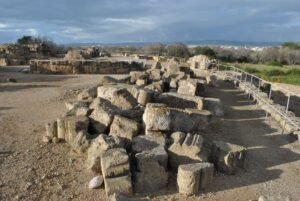
Likewise, look at the geographical markers of our faith. Places like Nazareth, the Jordan River, and Jerusalem are not just dots on a map; they are the settings for real historical events where God entered into human history. When we read about Jesus being baptized in the Jordan River, we are reminded of the tangible reality of the Incarnation. God did not remain distant; He stepped into the dirt and water of our world to redeem it. This is the heart of the Christian faith. It is not a abstract philosophy or a collection of nice thoughts. It is a historical, grounded reality. When we anchor ourselves in the actual events and teachings of the Bible, we are tethered to something that cannot be shaken by the shifting sands of cultural opinion or the latest viral quote.
The Call to Biblical Literacy
In conclusion, the prevalence of fake Bible verses is a symptom of a larger issue: the need for a deeper commitment to biblical literacy in our homes and our churches. We cannot expect to recognize a counterfeit if we are not intimately familiar with the genuine article. This means that we must make the study of Scripture a priority in our daily lives. It means reading the Bible with our children, discussing it in our small groups, and allowing it to shape our conversations. It means being willing to say ‘I don’t know’ when we encounter something difficult, and then doing the hard work of digging into the text to understand it better.
This is not a call to academic elitism, but a call to faithfulness. Every believer, regardless of their background or education, is called to love God with all their mind. This includes engaging with the text of the Bible with care and respect. When we find a quote that moves us, we should take a moment to look it up. Is it in the Bible? If it is, in what context was it written? If it is not, why does it resonate with me? What is it about this fake verse that makes me want it to be true? These questions can lead us into a deeper understanding of our own hearts and a more profound appreciation for the truths that God has actually revealed.
Let us be a people who are known for being ‘people of the Book.’ Let us be the ones who gently correct the misconceptions around us, not with arrogance, but with a genuine love for the Truth. Let us point others back to the sources, to the actual words of the prophets, the apostles, and our Lord Jesus Christ. The Bible is a treasure, and it is a tragedy to let it be buried under a pile of well-meaning but empty slogans. As we move forward, let us commit ourselves to the hard, rewarding work of reading, studying, and living out the Word of God as it has been given to us. There is no greater comfort, no greater strength, and no greater joy than the Truth that is found in the pages of the Bible, and that Truth is more than enough for everything we will ever face.
Living in the Truth of Scripture
As we wrap up our reflection, let us remember that the goal of all our study is not just to have a head full of knowledge, but to have a heart that is fully surrendered to God. The Bible is meant to be lived. When we read about the compassion of Jesus, we should be moved to show compassion to those around us. When we read about the justice of God, we should be motivated to work for justice in our communities. When we read about the grace of God, we should be empowered to extend forgiveness to those who have hurt us. The Bible is the blueprint for a life lived in the light of the Gospel.
We must also be gracious with one another. We have all, at some point, shared a quote that we thought was in the Bible. We have all been drawn to words that promised us comfort in a time of need. The goal of this article is not to shame, but to encourage a higher standard of engagement with the Word. Let us approach one another with patience, helping each other to grow in our understanding of the Scripture. We are all on this journey together, and we all have much to learn. By fostering a culture of biblical inquiry and mutual encouragement, we can ensure that our churches remain strongholds of the Truth.
Finally, let us hold fast to the promises that are actually in the Bible. We do not need fake verses to bolster our hope, because the real promises of God are more than enough. Whether it is the promise of His presence, the promise of His grace, or the promise of our future inheritance, the Word of God is reliable, enduring, and powerful. It is the anchor for our souls in every storm. As we go about our lives, let us keep our Bibles open, our hearts humble, and our eyes fixed on Jesus, the author and perfecter of our faith. In a world of shifting shadows and fleeting trends, the Word of the Lord stands forever. Psalm 119:89 reminds us that the Word of the Lord is settled in heaven, and it is our privilege to walk in the light of that settled, eternal Truth every single day of our lives.
The Final Anchoring of Our Souls
To conclude our time together, let us reflect on the ultimate purpose of the written Word: to lead us to the Living Word, Jesus Christ. Every page of the Bible, from the initial accounts of creation to the final visions of the new heavens and the new earth, points toward the person and work of our Savior. When we become obsessed with finding the ‘perfect quote’ to solve our problems, we often lose sight of the fact that the solution to our greatest problem—our separation from God due to our sin—has already been provided in the life, death, and resurrection of Jesus. He is the Truth. He is the one who gives us life, and He is the one who sustains us through every trial.
If we find ourselves feeling discouraged or lost, we do not need to hunt for a clever meme or a manufactured quote. We need only to turn to the Gospels and read the words of Jesus Himself. We need to sit with the letters of Paul, who understood the weight of suffering and the glory of grace better than almost anyone. We need to linger in the Psalms, where the full range of human emotion is brought into the presence of God. The Bible is a vast, deep, and inexhaustible ocean of wisdom. We will never reach the bottom of it, and that is a good thing. It means that there will always be more to discover, more to learn, and more to be transformed by.
May we be a generation that is characterized by our hunger for the real thing. May we be known for our commitment to Truth, even when that Truth is difficult or demanding. May we be a people who are so saturated in the Word of God that we can immediately recognize the sound of a counterfeit. Let us walk in the freedom that comes from knowing the Truth, and let us share that freedom with everyone we meet. The world is full of empty promises and fake verses, but the Church has been entrusted with the only message that has the power to save, to heal, and to restore. Let us guard that message, let us cherish it, and let us live it out with all our hearts, minds, and strength. The journey of faith is long, but we do not walk it alone, and we do not walk it without a map. We have the Word of God, and that is all we need to reach our heavenly home.
A Closing Prayer for Discernment
Lord, we thank You for the gift of Your Word. We thank You that You have not left us in the dark, but have spoken to us through the pages of the Bible. We confess that we have often been quick to embrace words that make us feel good rather than words that make us holy. We ask for Your forgiveness for the times we have prioritized our own comfort over the pursuit of Your Truth. Grant us, by Your Holy Spirit, the gift of discernment. Help us to read Your Word with care, with humility, and with a sincere desire to know You more deeply. Protect us from being led astray by the many voices and false quotes that surround us in this world.
We pray that You would stir up in us a hunger for the Scriptures that cannot be satisfied by anything less than the full, unadulterated Truth. May our homes and our churches be places where the Bible is read, discussed, and obeyed. May we be people who are anchored in the reality of Your grace and the certainty of Your promises. Help us to be bold in our commitment to the Gospel, and gracious in our interactions with those who are still learning. May our lives be a testament to the power of Your Word, and may we point others to the truth of the Gospel in everything we do. We ask these things in the name of Jesus, who is the Way, the Truth, and the Life, and who gives us the strength to walk in His ways all the days of our lives. Amen.
The Continuing Journey of Faith
As we close this article, let us remember that this is not the end of our study, but merely a stepping stone. The beauty of the Christian life is that it is a constant, ongoing process of learning and growing. We are all students in the school of God, and the Bible is our primary textbook. Every day provides a new opportunity to open its pages and encounter something new. Do not be discouraged if you feel like you have much to learn; that is the natural state of every believer. The goal is not to arrive at a point of perfect knowledge, but to remain in a state of continual dependence upon the One who knows all things.
Let us also remember that the Bible was written to be read in community. We were never meant to navigate the complexities of faith on our own. Seek out those who are further along in their walk, and look for ways to mentor those who are just beginning. Share what you are learning, ask questions, and be open to the insights of others. The more we talk about the Bible with one another, the more we will grow in our collective understanding and the less vulnerable we will be to the influence of fake verses. The Church is at its best when it is centered on the Word, growing together in the grace and knowledge of our Lord and Savior.
Finally, keep your eyes on the horizon. The Bible tells us that one day, we will see Him face to face. On that day, all our questions will be answered, all our struggles will be over, and we will finally understand the full depth of the love that has guided us through our earthly journey. Until then, we walk by faith and not by sight, anchored by the truth of His Word. Let us continue to walk with confidence, knowing that we are held by the One who spoke the universe into existence and who continues to speak to us today through the pages of His Word. Keep reading, keep praying, and keep trusting. The Truth is there, and it is waiting for you to find it.
The Foundation of Our Hope
When we strip away all the human-made additions, the fake verses, and the cultural filters, what remains is the core of our faith: the Gospel of Jesus Christ. This is the foundation upon which everything else is built. It is the message that God so loved the world that He gave His only Son, that whoever believes in Him should not perish but have eternal life, as stated in John 3:16. This is the truth that has sustained the Church through centuries of persecution, hardship, and uncertainty. It is a truth that does not rely on our feelings or our circumstances, but on the unchanging character of God.
Let us be a people who are unashamed of this Gospel. Let us be a people who are willing to stand for the Truth, even when it is unpopular. Let us be a people whose lives are so clearly transformed by the Word of God that others cannot help but notice. In a world that is hungry for meaning, let us offer them the only thing that can truly satisfy: the message of hope, reconciliation, and peace that is found in the Bible. This is our calling, and it is a calling that we can fulfill only by the power of the Holy Spirit and the guidance of the Scriptures.
Thank you for taking the time to read this reflection. It is our hope that it has been a source of encouragement and a catalyst for further study. Remember, the Bible is not just a book to be read; it is a life to be lived. May you find yourself more deeply rooted in the Truth today than you were yesterday. May you continue to grow in wisdom, in grace, and in the knowledge of our Lord. And may you always find, within the pages of the Bible, the strength and the comfort you need for every step of your journey. The Word of the Lord is a lamp unto our feet and a light unto our path, and it will never fail us. Psalm 119:105 remains our guide as we continue to walk in His light, trusting in the power of His Truth to lead us home.
A Final Encouragement
As you go about your week, we encourage you to take a specific, practical step toward deeper biblical literacy. Perhaps it is committing to read through one of the Gospels over the next month. Perhaps it is joining a Bible study at your local church. Perhaps it is simply setting aside fifteen minutes each morning to read a passage and reflect on it in prayer. Whatever you choose, make it a priority. The investment you make in studying the Word of God will pay dividends for the rest of your life. You are building a foundation that will stand against the storms of life, and you are preparing yourself to be a light in a world that is desperately in need of the Truth.
Do not be afraid of the hard questions. Do not be afraid to admit when you don’t understand something. The Bible is a deep well, and it is meant to be explored. Reach out to your pastors, your teachers, and your fellow believers. We are all in this together, and we are all growing together. The journey is worth it, and the reward is a deeper, more intimate relationship with the Creator of the universe. May you be blessed as you seek Him in the pages of His Word, and may you find that He is always more faithful, more loving, and more present than you could ever imagine.
We are grateful for your partnership in the Gospel and for your commitment to the authority of Scripture. Together, we can stand against the tide of misinformation and point the world toward the only Source of true life. Let us continue to serve, to love, and to grow, always keeping our eyes fixed on the promises of God. There is no greater privilege than to be a student of His Word, and no greater joy than to see that Word come to life in our hearts and our communities. Go in peace, and may the grace of the Lord Jesus Christ be with you always as you walk in the light of His Word.
The Enduring Power of Truth
In the final analysis, our reliance on the Bible is an act of trust in God Himself. If we believe that the Bible is indeed the inspired Word of God, then we must treat it with the seriousness and respect that it deserves. We must be willing to let it challenge us, correct us, and shape us. We must be willing to let go of our own ideas and embrace the Truth that God has revealed. This is the path of true discipleship, and it is the only path that leads to genuine, lasting transformation. Let us walk that path with courage, with humility, and with a heart that is fully set on honoring our God.
The world may change, cultures may shift, and new challenges may arise, but the Word of God remains the same. It is the anchor of our souls, the compass for our journey, and the source of our hope. Let us hold onto it with everything we have. Let us not be moved by the winds of doctrine or the latest viral trends. Let us be a people who are grounded, rooted, and established in the Truth. And as we do so, let us share the beauty of this Truth with everyone we encounter, inviting them to join us in the life-changing experience of knowing God through His Word.
May your heart be refreshed by the promises of Scripture, may your mind be sharpened by the wisdom of the prophets, and may your life be empowered by the grace of the Gospel. You are loved, you are known, and you are called to walk in the light of His Truth. Let us continue to move forward, one day at a time, one verse at a time, until we see Him face to face. The Word of the Lord is our heritage, our shield, and our exceeding great reward. Psalm 19:7-11 reminds us of the perfection and the sweetness of His law, and it is our prayer that you will experience that sweetness for yourself in the days to come. Go forward in the strength of the Lord, and may His Word dwell in you richly.
Reflecting on the Sovereignty of God
As we conclude this long reflection, let us take a final moment to bow our hearts in acknowledgment of the sovereignty of God. He is the author of history, the creator of all things, and the one who has revealed Himself to us in the Bible. He is not surprised by the confusion of our age, and He is not hindered by the spread of falsehoods. He is working out His perfect plan, and His Word will accomplish exactly what He intends. We can rest in the knowledge that we serve a God who is in complete control, and who has given us everything we need for life and godliness, as we see in 2 Peter 1:3.
Trusting in His sovereignty allows us to let go of our anxiety and fear. We do not need to worry about the state of the world or the challenges we face, because we know who holds the future. We can focus on our calling, which is to be faithful where He has placed us, to love those He has put in our path, and to keep our eyes fixed on Him. This is the essence of a life lived by faith, and it is the most liberating way to live. May you find rest in His sovereignty, and may you find strength in His Word.
Thank you for joining us in this exploration of the importance of biblical truth. It has been a privilege to walk through these themes with you. May the Lord bless you and keep you, may He make His face shine upon you and be gracious to you, and may He give you peace as you continue to walk in the light of His Word. Let us commit ourselves to this journey, trusting that He who began a good work in us will carry it on to completion until the day of Christ Jesus. Philippians 1:6 is our confidence, and it is our hope for every single one of us. Go in the peace of Christ.
The Final Word
Finally, remember that the Bible is not just a collection of words; it is a conversation. God is speaking to you. Every time you open the pages of the Bible, you are entering into a dialogue with your Creator. Listen to what He has to say. Respond to Him in prayer. Let His words shape your thoughts, your desires, and your actions. This is the most important conversation you will ever have, and it is one that will continue for all of eternity. Do not miss out on the opportunity to hear from Him, and do not be distracted by the noise of the world. The Word of the Lord is waiting, and it is the most beautiful, most important, and most transformative message you will ever receive.
We hope this article has been a helpful guide in your journey of faith. We encourage you to keep exploring, keep questioning, and keep growing. The Bible is a treasure that is meant to be shared, and we hope you will take what you have learned and use it to encourage others. May your life be a reflection of the Truth that you have found, and may you always be found faithful to the One who has called you by name. The Lord is good, and His mercy endures forever. Psalm 100:5 is a promise we can hold onto, regardless of what we face. May you walk in that goodness and mercy all the days of your life, and may you always find your home in the pages of His Word.
This concludes our reflection on the danger of fake verses and the beauty of the real Word. We are grateful for your time and for your commitment to the Truth. May the Lord continue to guide you, bless you, and use you for His glory. Keep seeking Him, keep trusting Him, and keep walking in the light of His Word. There is no better place to be than in the presence of the Living God, and there is no better guide for our lives than the Holy Scriptures. We wish you every blessing as you continue your journey of faith, and we look forward to the day when we will all see the Truth in its fullness. Until then, stay in the Word, stay in prayer, and stay in the grace of our Lord Jesus Christ.
A Commitment to Truth
In our final moments of reflection, let us make a commitment to one another and to the Lord: we will be a people of the Book. We will be a people who value the Truth above all else, who seek the mind of God in the pages of Scripture, and who live our lives in accordance with His will. We will be a people who are not easily swayed by the trends of the world, but who are firmly planted in the solid ground of the Gospel. This is our commitment, and it is one that we will strive to fulfill with the help of the Holy Spirit every day. May the Lord strengthen our resolve, deepen our understanding, and use us to share the message of His love with the world.
Thank you for your dedication to this pursuit. It is an honor to serve you as we all seek to grow in our knowledge of God. May this article be just one of many steps you take on your journey toward a deeper, more robust, and more vibrant faith. Keep pressing on, keep learning, and keep growing. The Lord is with you, He is for you, and He is leading you into all Truth. May you walk in that truth with confidence and joy, knowing that you are held by the One who loves you more than you can ever know. Go with God, and may His Word be the light that guides your path, now and forevermore.
We conclude with the prayer that the eyes of our hearts may be enlightened, that we may know the hope to which He has called us, the riches of His glorious inheritance in the saints, and the immeasurable greatness of His power toward us who believe. Ephesians 1:18-19 is our prayer for you as you move forward. May you experience the fullness of His grace, the depth of His love, and the power of His Truth in every aspect of your life. We are in this together, and we are looking forward to all that God has in store for us as we continue to walk in His ways. God bless you, and may His Word remain the centerpiece of your life.
The Eternal Word
As we finish, let us fix our eyes on the eternal nature of the Word of God. Isaiah 40:8 tells us that the grass withers and the flowers fall, but the word of our God endures forever. This is the reality we hold onto. Everything in this world is temporary, but the Truth of God is eternal. It is the only thing that will last, the only thing that will hold us, and the only thing that will bring us home. Let us invest our lives in what is eternal. Let us build our houses on the rock of His Word. Let us walk in the light of His Truth, and let us share that light with everyone we meet. The Lord is our Shepherd, and we shall not want, as Psalm 23:1 reminds us. He will lead us, He will guide us, and He will sustain us, all the way to the end.
May you find comfort in this promise, and may it give you the courage to face whatever comes your way. You are a child of the King, and you have been given the greatest treasure in the world: the Word of God. Cherish it, study it, and live it. It is your life, your strength, and your hope. We are so glad you joined us for this study, and we hope you will continue to engage with the Word of God in the days to come. May the Lord bless you, keep you, and guide you, now and always. We look forward to seeing you again soon as we continue our journey of faith. Until then, walk in the grace and peace of our Lord Jesus Christ, and may His Word dwell in you richly.
In all things, let us remember that our final authority is not a quote, not a meme, and not a human opinion, but the written Word of God. It is the standard by which we measure everything else, and it is the final court of appeal for all our questions. May we be a people who are always running back to the Bible, always checking our hearts against its truth, and always seeking to align our lives with its message. This is the way of wisdom, and it is the way of life. May you walk in that wisdom and live that life to the full, for the glory of God and the benefit of all those around you. Amen.