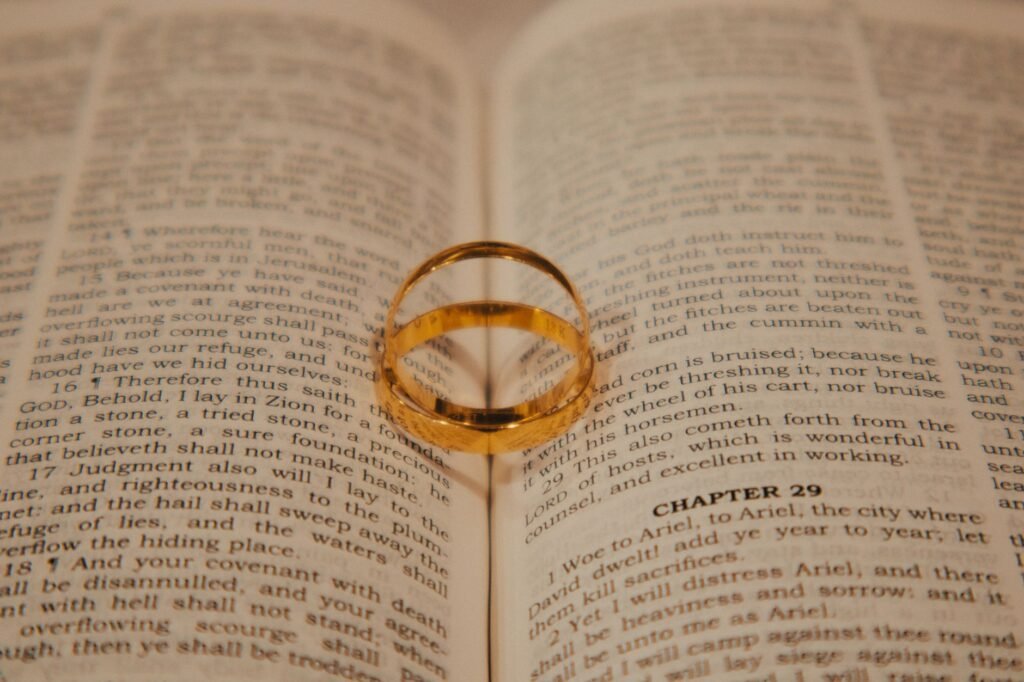
The Tension of Adornment in Scripture
When we open the pages of Scripture, we are often struck by the vivid descriptions of precious metals, fine stones, and elaborate jewelry. From the early chapters of Genesis to the final visions in Revelation, the Bible does not shy away from the presence of gold, silver, and gems. Yet, there is a recurring theme that warns the reader against placing their identity or their security in these physical possessions. The question of how a believer should view jewelry is not merely a matter of fashion or cultural preference; it is a question of the heart. Throughout history, the church has wrestled with how to balance the appreciation of God’s creation with the mandate for modesty and the call to prioritize eternal treasures over temporal ones.
Some Christian traditions have historically interpreted passages regarding jewelry as a call to total simplicity, suggesting that any form of ornamentation is a distraction from the life of faith. Other traditions view jewelry as a neutral element of culture, focusing instead on the internal condition of the soul as the primary concern of the gospel. As we navigate this topic, we must look at the specific instances where jewelry appears in the biblical narrative. We see it used in acts of worship, as symbols of status, and as expressions of love. We also see it critiqued when it becomes an idol or a source of arrogance. By examining these occurrences, we can gain a clearer understanding of how to honor God in our outward presentation while guarding our hearts against the snares of vanity and pride.
The Symbolism of Gold and Jewels in the Old Testament
In the Old Testament, jewelry often serves as a marker of favor, covenant, and divine provision. Consider the account of Abraham, whose servant brought gold and silver jewelry to Rebekah as a sign of the blessing and prosperity that awaited her as the bride of Isaac. In this context, the jewelry was not a sign of vanity but a tangible confirmation of a promise kept by God. It served as a dowry and a witness to the family that the Lord had guided the servant to the right place, ensuring the continuation of the family line. This demonstrates that jewelry was often woven into the fabric of social and covenantal life, reflecting the goodness of the Lord in the lives of his people.
Furthermore, the construction of the tabernacle in the wilderness, overseen by Moses, utilized vast quantities of gold, silver, and precious stones. These materials were not viewed as inherently sinful or worldly; rather, they were consecrated for the purpose of worship. The high priest’s breastplate, adorned with twelve distinct stones representing the tribes of Israel, stood as a beautiful, physical reminder of the Lord’s presence among his people. This suggests that when jewelry or precious materials are used to honor God, they can serve as a conduit for reflecting his glory. The issue, therefore, is not the existence of the jewelry, but the intent behind its use and the degree to which it captures the affections of the heart.
Jewelry as a Reflection of Wealth and Status
As the history of Israel progressed, particularly during the reign of David and his son Solomon, Jerusalem became a center of immense wealth. The accumulation of jewelry and fine adornment became a common practice among the aristocracy and the royal family. However, the prophets of the Old Testament frequently warned that this outward display could easily mask a decaying interior state. When the people of God began to rely on their wealth and their outward appearance to secure their status, they often neglected the weightier matters of the law, such as justice, mercy, and faithfulness. The presence of jewelry in these narratives often serves as a mirror, reflecting the shift from a heart of gratitude to a heart of self-sufficiency.
We see this tension explicitly in the warnings given to the daughters of Zion regarding their pride. When their adornment became a way to signal superiority over others, it drew the judgment of the Lord. The jewelry that was once a sign of blessing became a target of critique because it had become a source of arrogance. This provides a vital lesson for the modern believer: the temptation to use our possessions to define our worth is a perennial struggle. Whether it is jewelry, clothing, or other markers of status, the danger lies in allowing these things to obscure the truth of our identity in Christ. We are called to humility, recognizing that any beauty we possess is a gift from the Creator, not an achievement of our own.
The New Testament Call to Inner Beauty
In the New Testament, the focus shifts significantly toward the internal character of the believer. The apostle Paul, in his letters to the early churches, provides specific instructions on how women should adorn themselves. In 1 Timothy 2:9, he encourages women to adorn themselves in respectable apparel, with modesty and self-control, rather than with braided hair and gold or pearls or costly attire. Similarly, in 1 Peter 3:3-4, the apostle Peter writes that the beauty of a woman should not come from outward adornment, such as elaborate hairstyles and the wearing of gold jewelry or fine clothes, but rather from the hidden person of the heart, with the imperishable quality of a gentle and quiet spirit.
These passages are sometimes interpreted as a strict prohibition against all jewelry, while others argue that the apostles were addressing the cultural tendency of the time to use expensive jewelry as a means of displaying socio-economic status within the church. The core message is clear: the most important adornment for any Christian is the character of Christ. When we prioritize the “hidden person of the heart,” we are cultivating virtues like patience, love, and kindness—qualities that do not fade with time. This does not necessarily mean that the physical act of wearing jewelry is a sin, but it does mean that if our jewelry becomes more noticeable than our character, we have lost our focus. Our primary “jewelry” is the grace we extend to others and the truth we hold in our hearts.
The Danger of Idolatry and the Call to Contentment
One of the most sobering accounts involving jewelry in the Bible is the incident of the golden calf at the foot of Mount Sinai. While Moses was on the mountain receiving the law, the people grew impatient and demanded that Aaron make them gods. They contributed their gold earrings and jewelry, which were melted down to form an idol. This event serves as a stark warning about the power of material things to capture our worship. The very items that had been used to beautify their lives were repurposed to replace the living God. This is the ultimate danger of any possession: when we begin to trust in what we own rather than in the one who provides, we have fallen into the trap of idolatry.
This is where the virtue of contentment becomes essential. Contentment is the quiet, settled assurance that God has given us exactly what we need for our current season of life. When we are content, we are less likely to look for validation in the things we wear or the jewelry we display. We find our joy in the sufficiency of Christ, which is a treasure far greater than any earthly gold. Many people struggle with anxiety and fear, worrying that they are not enough or that they are being overlooked by the world. In response, they may turn to material adornment to feel seen or valued. The gospel offers a different path: being fully known and fully loved by God, which removes the need to perform or impress through outward display.
Jewelry in the Context of Family and Celebration
While the Bible warns against vanity and idolatry, it also celebrates the use of jewelry in the context of family, love, and joy. In the parable of the prodigal son, the father welcomes his repentant son home and commands that a ring be placed on his finger. In this story, the ring is not a sign of vanity; it is a sign of restoration, identity, and belonging. It signifies that the son has been fully embraced by his father, his sins forgiven, and his status as a son reinstated. Here, jewelry is used to communicate grace and love. It reminds us that our material possessions, when viewed through the lens of the gospel, can be used to honor those we love and celebrate the goodness of God in our relationships.
Marriage also frequently involves the exchange of rings as a symbol of commitment and covenant. This is a beautiful reflection of the relationship between Christ and his church. Just as a ring is a constant, visible reminder of a vow taken, our lives are meant to be a constant, visible reminder of the covenant we have with our Savior. If we choose to wear jewelry in the context of marriage or other celebrations, we can do so with a heart of gratitude, acknowledging that these items are symbols of the deeper, spiritual realities of faithfulness and love. The key is to ensure that the symbol never replaces the substance. The ring is not the marriage; the commitment is. The jewelry is not the love; the self-sacrificial action is.
The Wisdom of Moderation and Discipleship
As we consider the role of jewelry in the life of a modern believer, we are called to exercise wisdom and discernment. There is no single verse that mandates a specific dress code or prohibits all forms of ornamentation, which allows for a diversity of practice across different cultures and traditions. However, the principle of discipleship dictates that every aspect of our lives, including how we present ourselves, should be subject to the lordship of Christ. We are called to be salt and light in the world, which means our outward appearance should never be a stumbling block to the gospel or a distraction from the message we carry.
Discipleship involves a constant process of refining our desires. We must ask ourselves: Does my desire for this item come from a place of gratitude, or does it come from a place of insecurity? Am I seeking to glorify God with my appearance, or am I seeking the approval of others? These questions help us to walk in the freedom of the gospel. We are free to enjoy the beauty of the world, but we are also free from the need to possess it to feel complete. As we grow in our walk with the Lord, our priorities naturally shift. We begin to value the “incorruptible beauty” of a life transformed by the Holy Spirit over the fleeting appeal of gold and silver. This is the mark of a mature disciple: the ability to live in the world without being shaped by its values.
Living for the Eternal Treasure
Ultimately, the Bible points us toward a treasure that cannot be bought or sold. While the world may value the sparkle of a diamond or the luster of gold, the believer knows that these things are passing away. Our true wealth is found in the salvation that is ours through faith in Jesus Christ. We are invited to invest in the things that have eternal significance: the lives of others, the proclamation of the truth, and the pursuit of holiness. When we understand the magnitude of the grace we have received, the allure of material adornment loses its grip on our hearts. We become more concerned with reflecting the light of Christ than with the shimmer of jewelry.
As we go about our daily lives, let us be mindful of what we project to the world. May our lives be characterized by the fruit of the Spirit rather than the fleeting trends of the age. Whether we choose to wear jewelry or to keep our appearance simple, let our primary goal be to point others toward the beauty of the gospel. May we be people who are known not by what we wear, but by the love we show, the compassion we extend, and the hope we carry. In a world that is obsessed with outward appearance, let us be a people who are deeply, profoundly, and consistently focused on the heart. After all, the beauty that God truly values is the beauty of a life yielded to him, a life that shines with the light of his truth and the warmth of his love, forever.
Conclusion: A Heart Adorned by Grace
The journey of understanding the biblical perspective on jewelry leads us back to the heart of the matter. We have seen that Scripture acknowledges jewelry as a part of human history, culture, and worship, yet it consistently warns us against the dangers of pride, idolatry, and misplaced value. We have looked at how the Old Testament used precious materials to signify covenant and worship, and how the New Testament redirected our gaze toward the internal character that pleases God. We have explored the importance of contentment, the beauty of restoration, and the necessity of wisdom in our daily choices.
As you reflect on these truths, consider how you might live with greater intentionality in every area of your life. Do not be burdened by legalism, but be liberated by the gospel. If you wear jewelry, let it be a reminder of God’s goodness and the blessings he has bestowed upon you, rather than a means of finding your worth. If you choose a path of greater simplicity, let it be a reflection of your desire to focus on the eternal things that truly matter. Above all, let your life be adorned with the virtues of the kingdom—justice, mercy, and faith. May your heart be so filled with the love of Christ that it becomes the most beautiful thing about you, shining brightly in a world that is desperate for the hope and healing that only he can provide. As you walk in obedience, may you find peace in knowing that you are already adorned with the righteousness of Christ, a treasure that will never fade, never tarnish, and never lose its value in the eyes of your Creator. Let this truth anchor your soul, giving you the courage to live authentically for him, regardless of the outward trends that come and go, knowing that you are deeply loved and eternally secure in his grace.
In the final analysis, the Bible’s teaching on jewelry is a subset of a much larger conversation about how we live as citizens of heaven while residing on earth. We are called to be in the world but not of it, which requires a constant calibration of our hearts. We must be willing to examine our motives, repent of any vanity, and seek the guidance of the Holy Spirit in all things. Whether we are dealing with our finances, our relationships, or our physical presentation, the goal remains the same: to glorify God and enjoy him forever. Let us be a people who are known for our generosity, our humility, and our unwavering commitment to the truth. Let us be a people whose lives are marked by the beauty of holiness, a beauty that transcends the physical and speaks to the very soul of humanity. In doing so, we become witnesses to the transformative power of the gospel, inviting others to discover the true, lasting beauty that is found only in a relationship with the living God.
As we conclude this study, take a moment to pray for a heart that is truly content. Ask the Lord to help you see yourself as he sees you—as his beloved child, bought with a price that no amount of gold or silver could ever match. May this identity be the foundation of your confidence, the source of your joy, and the motivation for your life. When the world tries to define you by what you have or what you wear, stand firm in the truth of your salvation. You are a temple of the Holy Spirit, and your life is a testament to the grace of God. May this reality shape your every word, your every action, and your every choice, leading you into a life of freedom, purpose, and deep, enduring peace. May the wisdom of Scripture continue to guide you, and may the grace of our Lord Jesus Christ be the light that illuminates your path, today and always.
Finally, remember that the conversation about jewelry is just one small part of the broader call to discipleship. It is an opportunity to practice the discipline of examining our hearts and aligning our desires with the will of God. As you move forward, continue to immerse yourself in the word, seeking the guidance of the Holy Spirit in all areas of life. Be encouraged by the community of faith, and look for ways to support one another in the pursuit of holiness. You are not alone in this journey. We are all learning, growing, and striving together to become more like Christ. May your life be a beautiful reflection of his love, a light in the darkness, and a beacon of hope to all those around you. Walk in the freedom of his grace, and may your heart always be the place where his beauty is most clearly seen.
The study of jewelry in the Bible is more than just an examination of ancient practices; it is a mirror held up to our own hearts. It challenges us to consider where we place our trust and what we prioritize in our pursuit of happiness. By looking at the patterns of Scripture, we can learn to navigate the complexities of our culture with wisdom and grace. We can find a balance that honors God and reflects our commitment to him. As we move forward, let us keep our eyes fixed on the eternal, trusting that he who began a good work in us will bring it to completion. May we live with the confidence that our worth is secure, our future is certain, and our lives are hidden with Christ in God. This is the true beauty, the true treasure, and the true hope that we have in the gospel.
Let us continue to seek him in all things, acknowledging his lordship over our possessions, our appearance, and our very lives. May we be a people who are marked by a deep and abiding gratitude for all that he has provided, and may we use every resource—including our adornment—as a tool to serve him and love our neighbors. In a world that is often superficial, let us be a people of depth. In a world that is often divided, let us be a people of unity. And in a world that is often lost, let us be a people of hope. May the grace of the Lord Jesus Christ be with you as you navigate these questions, and may you find great joy in the beauty of his presence, now and forevermore.
In summary, the Bible does not provide a rigid, universal rule about jewelry, but it provides a wealth of principles to guide our hearts. It calls us to prioritize the internal over the external, the eternal over the temporal, and the glory of God over the praise of men. By walking in this wisdom, we can navigate the complexities of our culture with integrity and freedom. Let us be a people who are defined by our character, rooted in the truth, and motivated by the love of Christ. May our lives be a testament to the fact that the most precious thing we possess is the gospel, and may we live in such a way that others are drawn to the beauty of the one who gave everything for us.
As you reflect on these passages, let them lead you to a place of deeper worship. Let them move you to a place of greater humility. And let them inspire you to live with a sense of purpose that goes beyond the surface of life. You are a child of the King, and your value is infinite. Live in the light of that truth, and let it transform the way you see yourself, the way you see your possessions, and the way you see the world around you. May your life be a beautiful, radiant display of his grace, reflecting his glory in every word, every deed, and every choice you make. This is the calling of the believer, and it is a calling that is worthy of our highest devotion. May you walk in the joy of this calling, today and for all the days of your life.
Finally, as you close this article, take a moment to consider how you can apply these principles in your own life. Perhaps it means simplifying your wardrobe, perhaps it means being more generous with your resources, or perhaps it means focusing more on the development of your inner character. Whatever the specific application, let it be done in a spirit of prayer and dependence upon God. Trust that he will give you the wisdom you need to live a life that is pleasing to him. And know that you are not alone in this—you are part of a larger community of believers who are all seeking to follow him more closely. Together, let us continue to grow in the grace and knowledge of our Lord and Savior, Jesus Christ, to whom be glory both now and forever. Amen.