The Call to Unwavering Faith
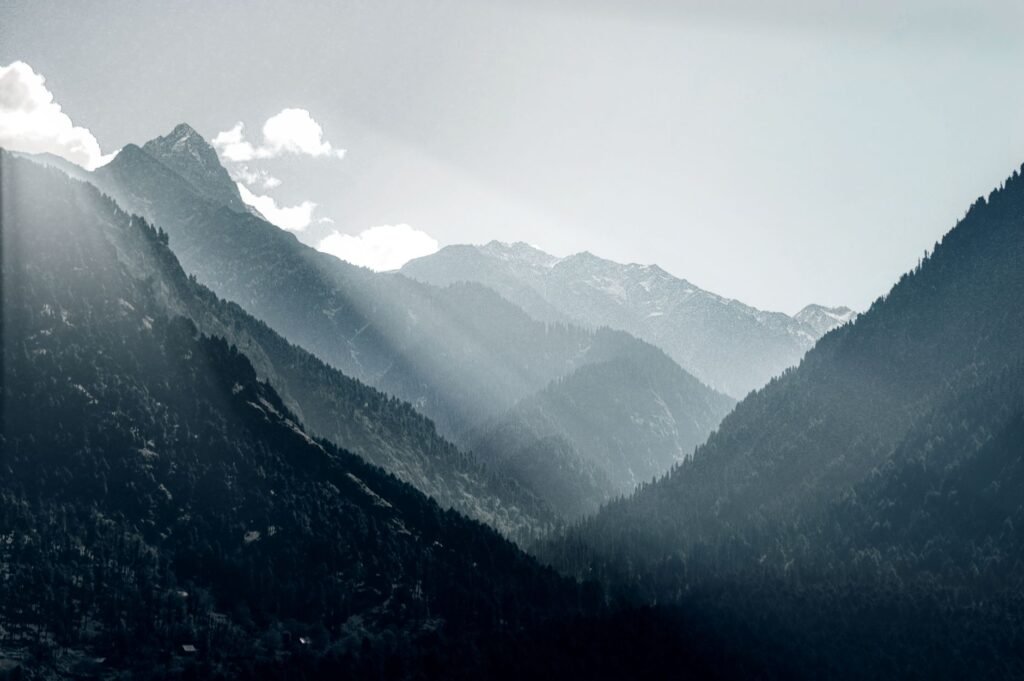
The imagery of moving mountains is one of the most striking metaphors in the New Testament. It captures the imagination, suggesting a power that transcends the limitations of the physical world. When we read the words of Jesus in Matthew 17:20, we are often struck by the sheer scale of the promise. He speaks of a faith no larger than a mustard seed being sufficient to uproot a mountain and cast it into the sea. This is not a call to develop a form of magic or a way to manipulate the divine for our own ends; rather, it is an invitation into a deeper, more profound relationship with the Creator of the universe. The mountain serves as a symbol of the seemingly insurmountable obstacles that litter the landscape of our lives, whether they manifest as personal struggles, societal injustices, or internal battles with doubt.
To understand this teaching, we must first recognize that the context of this passage is rooted in the disciples’ struggle with their own limitations. They had encountered a situation they could not rectify, and their failure led to a moment of deep instruction. As we explore what it means to move mountains, we must approach the text with humility, recognizing that our faith is not a commodity we possess, but a gift we receive. It is a posture of the heart that aligns itself with the will of God, trusting that His power is far greater than any barrier we might face. In this journey, we find that the mountain is not always moved out of our way; sometimes, the mountain is used to draw us closer to the heart of God, refining our character and deepening our reliance on His grace.
The Context of the Mustard Seed
When Jesus speaks of the mustard seed in Matthew 17:20, He is contrasting the smallness of our human capacity with the infinite nature of divine power. The mustard seed was widely known in the ancient world for its diminutive size, yet it possessed the potential to grow into a substantial shrub. This comparison is vital because it shifts the focus away from the size of our faith and onto the object of our faith. We often make the mistake of thinking that if we could just muster enough belief, we could force the hand of God. However, the biblical witness suggests that even a minuscule amount of genuine trust in the living God is sufficient to initiate divine action. It is not the quantity of our faith that matters, but the quality—the sincerity with which we turn our eyes toward the One who holds all things together.
This teaching is echoed elsewhere in the Gospels, such as in Luke 17:6, where the same metaphor appears. In these instances, Jesus is teaching His followers about the nature of the kingdom of God. It is a kingdom that operates on principles entirely different from the kingdoms of this world. While the world values strength, influence, and tangible results, the kingdom of God values surrender, trust, and the quiet movement of the Spirit. When we encounter a mountain in our lives, we are prone to anxiety and fear, seeking to climb it or tear it down through our own exertion. Yet, the call of the gospel is to bring that mountain to the feet of the Lord in prayer, acknowledging that while it appears fixed and immovable to us, it is but a pebble in the hands of the Almighty.
Mountains as Symbols of Spiritual Obstacles
In the Old Testament, mountains were often places where humanity encountered the holiness of God. We think of Moses ascending the heights to receive the law, or the various instances where the presence of the Lord descended upon the peaks. Yet, in the teachings of Jesus, the mountain takes on a different hue. It becomes an obstacle, a barrier that separates us from the realization of God’s purposes. These mountains can be internal, such as deep-seated pride or the lingering effects of past sin, or they can be external, such as the systemic challenges of living in a fallen world. Regardless of their nature, they represent things that seem permanent, solid, and beyond our ability to alter.
Consider the life of Abraham, who faced a mountain of a different sort when he was called to offer his son. He had to navigate the tension between the promise of God and the reality of his circumstances. His journey reminds us that moving a mountain often involves a process of waiting and endurance. It is not always an instantaneous miracle. Sometimes, the mountain is removed through the slow, steady work of grace in our hearts, changing our perspective so that we no longer view the obstacle as a barrier, but as a site of divine encounter. When we face our own mountains, we are invited to bring our concerns to the Lord, seeking His guidance and wisdom, knowing that He is the one who ultimately directs our paths.
The Interplay of Prayer and Obedience
The concept of moving mountains is inextricably linked to the practice of prayer. In Mark 11:23, Jesus links the moving of the mountain directly to the act of speaking in faith, without doubting in the heart. This is a challenging standard. It suggests that our prayer life is not merely a list of requests, but a conversation marked by deep, unwavering trust. This does not mean that we ignore the reality of suffering or pretend that our problems do not exist. Rather, it means that we bring those problems into the light of God’s truth, believing that He is capable of intervening in ways we cannot imagine. Prayer is the mechanism by which we align our desires with the character of God, ensuring that our requests are rooted in His love and justice.
However, we must be careful not to treat prayer as a magical formula. Different Christian traditions interpret these passages in varying ways. Some emphasize the power of the spoken word as a manifestation of faith, while others focus on the necessity of submitting every petition to the sovereignty of God, as seen in the prayer of Jesus in Gethsemane. Regardless of the specific theological framework, there is a consensus that prayer must be accompanied by obedience. We cannot ask God to move a mountain while we simultaneously refuse to walk in the path of holiness He has set before us. Obedience is the soil in which our faith grows, and without it, our prayers become hollow. As we practice the discipline of prayer, we find that our hearts are slowly transformed, becoming more like the heart of Christ, who always sought the Father’s will above all else.
The Role of Suffering and Perseverance
It is important to acknowledge that the removal of a mountain is not always the goal of the Christian life. Sometimes, God grants us the strength to climb the mountain rather than moving it out of our way. The Apostle Paul, in his own ministry, spoke of a thorn in the flesh—a mountain he dearly wished to be removed. Yet, in 2 Corinthians 12:9, he records the response he received: that God’s grace is sufficient, for His power is made perfect in weakness. This teaches us that the presence of a mountain does not necessarily indicate a lack of faith or a failure of prayer. On the contrary, it may be the very thing that God is using to cultivate patience and perseverance in our lives.
When we face suffering, we are often tempted to despair, wondering why the mountain remains. This is where the virtue of hope becomes essential. Hope is not a blind optimism that ignores the pain; it is a confident expectation that God is at work even when we cannot see the results. We look to the example of David, who faced countless mountains—from the giant on the battlefield to the pursuit of enemies—and yet remained steadfast in his trust. His life shows us that we can walk through the valley of the shadow of death, fearing no evil, because the Lord is with us. Perseverance is the fruit of this trust, allowing us to continue on our journey even when the landscape remains rugged and the path forward is obscured by the peaks of our circumstances.
Navigating Denominational Perspectives
Within the broader Christian community, the interpretation of verses regarding moving mountains has historically varied. Some traditions emphasize the literal potential for miraculous intervention, pointing to the accounts of healing and restoration in the early church as evidence that God still moves mountains today. They encourage believers to pray with boldness and expectation, believing that God is a God of wonders who delights in answering the cries of His children. This perspective serves as a powerful encouragement to those who feel stuck in impossible situations, reminding them that nothing is too difficult for the Lord.
Other traditions emphasize the metaphorical nature of these passages, focusing on the internal mountains of sin, pride, and spiritual apathy. They suggest that the greatest mountains to be moved are the ones within our own hearts, which hinder our ability to love God and our neighbor. In this view, the miracle is not in the changing of external circumstances, but in the radical transformation of the human soul through the power of the Holy Spirit. Both of these perspectives offer valuable insights. We can embrace the idea that God is active in both the external world and the internal life, and that He is fully capable of working in both arenas to bring about His kingdom. The key is to remain rooted in the truth of Scripture while maintaining a spirit of charity toward those who may see things differently.
The Community of Faith and Shared Burdens
Moving mountains is rarely a task meant for the individual alone. The New Testament consistently emphasizes the importance of the body of Christ, the church, in the life of the believer. When we are weary and our faith feels small, we rely on the faith of our brothers and sisters to carry us forward. This is the essence of true fellowship—bearing one another’s burdens and so fulfilling the law of Christ. When we face a mountain, we are encouraged to share our struggle with others, allowing them to pray with us and for us. There is a unique power in communal prayer, a sense of unity that reflects the very nature of God.
Consider the story of those who brought the paralytic to Jesus in Jerusalem, lowering him through the roof because they could not reach Him any other way. Their collective faith and determination moved the mountain of that man’s disability, leading to his healing. This is a beautiful picture of what we are called to be for one another. We are meant to be a source of comfort and strength, helping our neighbors navigate the difficult terrain of their lives. When we act with compassion and grace, we are participating in the work of moving mountains, clearing the path for others to see the love of Christ. This communal aspect of faith reminds us that we are never alone, and that our individual mustard seeds of faith, when gathered together, form a harvest that can change the world.
Living Out the Truth of the Gospel
As we conclude our reflection on the moving of mountains, we must return to the source of all our strength. The promise of the mustard seed is not about our personal power; it is about the power of the One who calls us. When we face the mountains of this life—be they anxiety, fear, or the weight of our own shortcomings—we are invited to turn our eyes toward the cross. It was there that the greatest mountain of all, the barrier of human sin, was removed once and for all. Through the sacrifice of Christ, we have been reconciled to the Father, and we have been given the Holy Spirit to guide us in all truth.
Our task is to walk in obedience, trusting that God is at work in the details of our lives. We do not need to be giants of faith to see mountains move; we only need to be faithful in the small things. We need to be people of prayer, people of love, and people of hope. Whether the mountain is moved today, tomorrow, or in the age to come, we can rest in the assurance that our lives are held in the hands of the One who created the mountains and the seas. Let us therefore live with courage, knowing that even the smallest act of trust, when placed in the hands of our Savior, has the power to shift the landscape of our lives and bring glory to His name. May we continue to seek His face, trusting in His wisdom, and finding our rest in His unchanging love.
The journey of faith is long and winding, but it is a journey marked by the presence of a God who is intimately acquainted with our struggles. As we navigate the mountains that rise before us, let us hold fast to the promises found in the word of God. Let us remember that our identity is not found in the obstacles we face, but in the relationship we have with the Creator. We are His children, redeemed by grace and empowered by the Spirit to live lives that reflect His character. In every season, whether on the mountaintop or in the valley, we are called to bear witness to the truth of the gospel, shining as lights in a dark world and offering hope to all who are weary.
Ultimately, the call to move mountains is a call to surrender. It is a call to let go of our own agendas and to embrace the perfect will of God. As we cultivate a heart of gratitude and a spirit of humility, we find that our lives become a testament to the power of faith. We see that the true miracle is not just the removal of an obstacle, but the transformation of the heart that occurs when we learn to trust God in the midst of it all. So, let us move forward with confidence, knowing that He who began a good work in us will carry it on to completion, and that He is always with us, even to the end of the age.
As we reflect on these truths, let us also commit ourselves to the study of the Scriptures, seeking to understand the depth and breadth of God’s love for us. Let us engage in the life of the church, finding strength in the unity of the body and encouragement in the testimonies of others. And above all, let us keep our eyes fixed on Jesus, the author and perfecter of our faith, who for the joy set before Him endured the cross, despising the shame, and is seated at the right hand of the throne of God. In Him, we have all we need to face whatever mountains may lie ahead, for He is our rock, our fortress, and our deliverer.
There is a profound peace that comes from knowing that we do not have to carry the weight of the world on our own shoulders. When we surrender our burdens to the Lord, we find that He is faithful to sustain us, to guide us, and to provide for our every need. This is the essence of the life of faith—a life of constant dependence on the One who is able to do immeasurably more than all we ask or imagine. As we walk this path, let us be encouraged by the knowledge that our faith, however small, is a conduit for the power of God, and that through Him, all things are possible.
May we be a people who are known for our trust, our prayer, and our unwavering commitment to the truth of the gospel. May our lives be a reflection of the love of Christ, and may our words be a source of encouragement to all who are struggling. And as we continue to grow in grace and knowledge, may we never lose sight of the incredible privilege it is to walk with the Lord, to know His heart, and to participate in His work in the world. For in the end, it is not the mountains that define us, but the Savior who moves them, and in Him, we have the victory.
In the quiet moments of our lives, let us listen for the still, small voice of the Spirit, guiding us in the way we should go. Let us be attentive to the opportunities to serve others, to show compassion, and to offer the hope of the gospel to those who are lost. Let us be diligent in our pursuit of holiness, knowing that it is through the refinement of our character that we are best equipped to be used by God. And let us never cease to pray, for prayer is the breath of the soul, the means by which we stay connected to the source of our life and our strength.
The mountains may be tall, and the path may be steep, but we do not walk alone. We walk in the company of the saints who have gone before us, and we walk in the power of the Holy Spirit who dwells within us. We have the word of God as our lamp and our light, and we have the promise of His presence to comfort and sustain us. So let us take heart, let us hold fast to our confession of hope, and let us press on toward the goal for the prize of the upward call of God in Christ Jesus. For the Lord is good, His mercy endures forever, and His faithfulness reaches to the clouds.
As we conclude this meditation, let us offer a prayer of thanksgiving for the grace that has brought us this far, and for the promise of the grace that will lead us home. Let us dedicate ourselves anew to the task of faith, trusting that God is at work in every circumstance, shaping us into the image of His Son. And let us look forward with anticipation to the day when all mountains will be leveled, when all tears will be wiped away, and when we will see Him face to face. Until that day, let us live as those who have been set free, walking in the light of His truth and rejoicing in the hope of His glory.
The message of the mustard seed is a message for every generation. It is a reminder that the kingdom of God is not built on the foundations of human strength, but on the bedrock of divine faithfulness. It is a call to look beyond the surface of our circumstances and to see the hand of God at work in the invisible realm. It is an invitation to participate in the unfolding drama of redemption, playing our part with courage and conviction. And it is a promise that, in the end, God’s kingdom will prevail, and His will will be done on earth as it is in heaven.
So let us hold these truths close to our hearts, allowing them to shape our thoughts, our actions, and our prayers. Let us be a people who are defined by our faith, not by our fears. Let us be a people who are known for our love, not for our divisions. And let us be a people who are characterized by our hope, not by our despair. For we are the children of the living God, called to a purpose that reaches beyond the confines of this present age, and empowered by a Spirit that knows no limits. Let us go forth in that power, and let us move the mountains that stand in the way of His kingdom.
We must also remember that the journey of faith is a lifelong process of sanctification. We are not expected to be perfect, but we are expected to be faithful. We are not expected to move mountains on our own, but we are expected to trust in the One who can. As we grow in our understanding of His word and our reliance on His grace, we will find that our faith becomes stronger, our prayers become more fervent, and our lives become more fruitful. This is the promise of the gospel, and it is a promise that is available to all who seek Him with their whole heart.
As we reflect on the significance of the mountain-moving faith, let us also consider the importance of humility. It is often our pride that keeps us from seeking God’s help, as we try to solve our problems on our own. But when we humble ourselves before the Lord, we acknowledge our need for His grace and our dependence on His wisdom. This is the posture of a true disciple, and it is the posture that opens the door to the miraculous. When we stop trying to be the heroes of our own stories and instead let God be the author of our lives, we find that the mountains begin to move in ways we never thought possible.
Let us also remember the power of gratitude. When we take the time to thank God for what He has already done, we cultivate a heart that is ready to receive what He will do next. Gratitude is the antidote to anxiety and the fuel for faith. It reminds us of God’s faithfulness in the past, and it gives us the confidence to trust Him for the future. As we walk through the challenges of life, let us be quick to praise Him, knowing that He is working all things together for our good and for His glory.
Finally, let us keep our focus on the eternal. The mountains of this life are temporary, but the kingdom of God is everlasting. When we keep our eyes on the things that are above, we gain a perspective that transcends the trials of this world. We see that our struggles are but a moment in the light of eternity, and that the glory that is to be revealed far outweighs the suffering of this present time. Let us therefore live with our eyes fixed on the prize, running the race with patience and perseverance, and trusting that the Lord is with us every step of the way.
In this, we find the true meaning of moving mountains—not as an act of human power, but as a testament to the power of God working through a faithful, trusting, and obedient heart. It is a journey of faith that begins with a single step, a single prayer, and a single seed of trust, and it leads us into the very heart of the Father’s love. May we walk that journey with courage, may we trust Him in the silence, and may we see His glory revealed in our lives and in the world around us. For He is worthy of all our trust, all our devotion, and all our praise, now and forevermore.