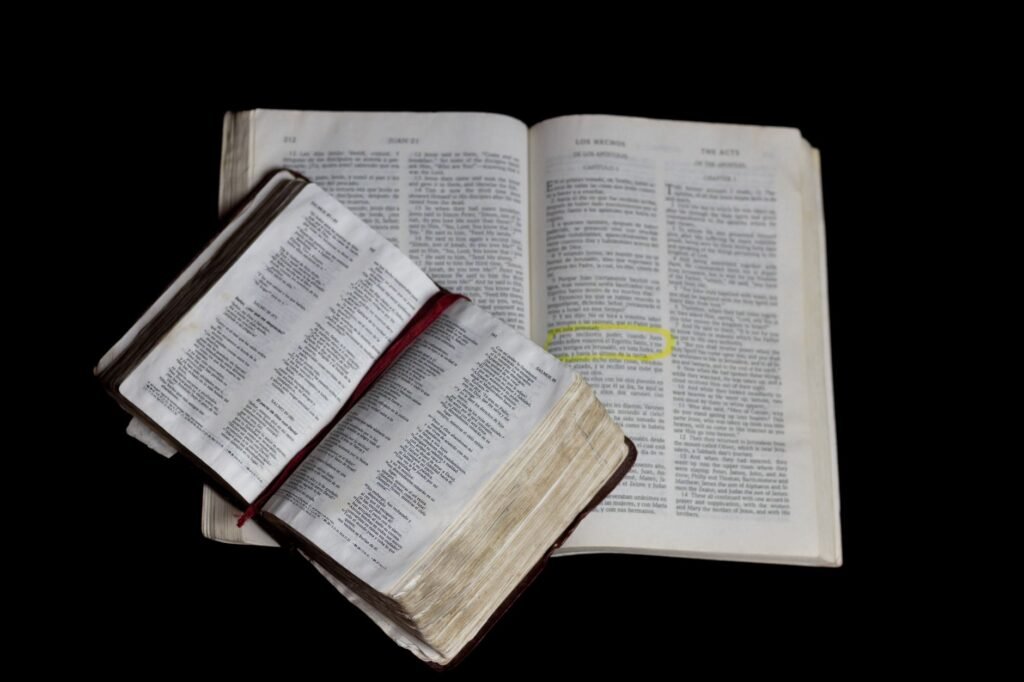
The Necessity of a Spiritual Anchor
In a world defined by rapid change, shifting cultural tides, and the relentless noise of modern life, the human heart often feels like a ship tossed upon a turbulent sea. We are constantly searching for something solid, something that does not move when the winds of circumstance begin to howl. For the believer, this stability is not found in circumstances, nor in the fleeting opinions of the world, but in the immutable, eternal character of God as revealed in his word. The concept of an anchor verse—a specific passage of Scripture that serves as a focal point for our faith—is a time-honored practice that has sustained saints for generations. It is not a magical talisman, but rather a deliberate act of anchoring our minds to the bedrock of truth, allowing the Holy Spirit to use that specific revelation to steady us when we are most vulnerable.
When we look at the history of the faith, we see men and women like Moses who stood before the burning bush and received a revelation of God that would sustain him through decades of wilderness wandering. Moses did not have the full canon of Scripture as we do, but he had the promise of God’s presence, which served as his anchor. Similarly, when we face the realities of Anxiety & Fear, we often find ourselves spinning in circles, unable to catch our breath or find our footing. In those moments, having a verse committed to memory—a verse that we have meditated upon and internalized—acts as a spiritual tether. It pulls our thoughts back from the abyss of worry and plants them firmly in the reality of who God is and what he has promised to do.
It is important to clarify that the practice of choosing an anchor verse is a personal discipline, not a doctrinal requirement. Different Christian traditions approach the engagement with Scripture in various ways. Some emphasize the lectio divina tradition, where a short passage is savored and prayed over for an extended period, while others focus on systematic memorization and theological application. Both approaches, and many others in between, can lead to the identification of a verse that resonates deeply with the soul. Whether you find your anchor in the psalms, the epistles, or the gospels, the goal remains the same: to ensure that your internal life is governed by the external reality of God’s unchanging word.
The Anatomy of an Anchor
What makes a verse an anchor? It is rarely the verse that is most popular on social media or the one that appears most frequently on decorative plaques. An anchor verse is a passage that meets you exactly where you are in your current season of life. It is the verse that speaks to your specific struggles, your deepest longings, and your most persistent questions. For some, this might be a verse about Grace when they are wrestling with the weight of past mistakes. For others, it might be a verse about Strength when they are enduring a season of prolonged suffering or physical weakness. The beauty of the Bible is that it is living and active, as described in Hebrews 4:12, meaning it has the capacity to adapt to our changing needs while remaining perfectly consistent in its message.
Consider the life of David. Throughout the psalms, we see him repeatedly anchoring his soul in the character of God. In Psalm 27:1, he declares that the Lord is his light and his salvation, asking whom he should fear. This was not a theoretical statement; it was a battle cry uttered in the face of very real enemies. David knew that if he did not intentionally fix his eyes upon the truth of God’s protection, his heart would succumb to the terror of his situation. By choosing to anchor himself in the reality of God’s presence, he was able to maintain a posture of worship even when he was hiding in caves or fleeing from his own son. His anchor was not a sentiment; it was a theological conviction that translated into a way of life.
When you are selecting your own anchor, it is helpful to look for passages that highlight the attributes of God. Verses that speak to his sovereignty, his love, his justice, or his mercy provide a broader foundation than verses that merely describe our own emotions or desires. While it is certainly comforting to have a verse that promises relief, an anchor that is built upon the nature of God will hold firm regardless of whether that relief comes in the way we expect. When we ground ourselves in the truth of God’s holiness, for instance, we are better equipped to navigate the complexities of our own moral failures and the brokenness of the world around us. The anchor must be heavy enough to hold the ship, and the weightiest truths are always those that describe the Creator of the universe.
Anchoring Through Seasons of Suffering
Suffering is perhaps the most common catalyst for seeking an anchor. When we are in the midst of pain—whether physical, emotional, or spiritual—the world feels as though it is dissolving. It is during these times that the simple, repetitive recitation of a promise can become a lifeline. Many believers find that in the darkest nights of the soul, they cannot muster the energy for complex theological reflection. Instead, they rely on the simplicity of a single verse, such as Isaiah 41:10, where God promises to uphold his people with his righteous right hand. This is not about denying the reality of pain; it is about acknowledging that there is a reality greater than the pain.
The Apostle Paul, whose letters are filled with profound reflections on the nature of Suffering and the comfort of Christ, provides an excellent example of how to anchor oneself in the midst of hardship. In 2 Corinthians 12:9, he recounts how the Lord told him that his grace is sufficient, for his power is made perfect in weakness. Paul did not ask for his trial to be removed and receive a simple ‘yes’ or ‘no’; he received a promise that anchored him in the midst of the trial. He learned that his weakness was not a hindrance to his ministry, but a platform for the display of God’s glory. This realization allowed him to persevere through shipwrecks, imprisonments, and abandonment. His anchor was the sufficiency of Christ, and it held him fast when everything else was stripped away.
For those who are currently walking through the valley of the shadow of death, as mentioned in Psalm 23:4, the anchor verse serves as a reminder that we are not walking alone. It is easy to feel abandoned when the path becomes steep and the air becomes thin. However, the anchor verse acts as a bridge between our subjective experience of loneliness and the objective truth of God’s promise to never leave or forsake us. It is a way of practicing the presence of God. By keeping the verse at the forefront of our minds, we turn our internal monologue into a dialogue with the Almighty. We shift from asking ‘Why is this happening?’ to asking ‘How can I trust you in this?’ and that shift is where the healing begins.
The Role of Meditation and Memorization
An anchor that is sitting on the deck of a ship does nothing to stop the drift. It must be cast into the water. Similarly, a verse that remains only on the pages of your Bible will not anchor your soul. It must be cast into the deep waters of your heart through the disciplines of meditation and memorization. Meditation, in the biblical sense, is not the emptying of the mind, but the filling of the mind with the truth of God. It is the act of turning a verse over and over in your thoughts, considering its implications for your life, your relationships, and your future. It is a slow, rhythmic process that allows the truth to sink below the surface of our intellectual assent and into the roots of our being.
Memorization is the practical fuel for meditation. When you have a verse committed to memory, you have it with you at all times—in the middle of the night when sleep evades you, in the grocery store when frustration mounts, or in the quiet moments of the morning before the day begins. It is a tool for spiritual warfare. When we are faced with the Temptation to despair or the lure of sin, having the word of God readily available allows us to counter the enemy’s lies with the truth of God’s promises. This is how Jesus himself responded to the devil in the wilderness, as recorded in Matthew 4:1-11. He did not argue or negotiate; he simply quoted the Scriptures. He was anchored in the truth, and that anchor remained immovable despite the intensity of the assault.
You might consider writing your anchor verse on a small card and placing it where you will see it every day—on your bathroom mirror, your computer monitor, or inside your car. Some people find that journaling about the verse helps them to process its meaning more deeply. You might ask yourself: ‘What does this verse tell me about God? What does it tell me about myself? How does this verse change the way I view my current situation?’ By engaging with the text in this way, you are doing the work of embedding the anchor into your life. It becomes a part of your internal landscape, a constant reference point that you can return to whenever the winds of life begin to shift.
Anchoring in the Community of Faith
While the choice of an anchor verse is a personal journey, it is best nurtured within the context of the community of faith. We were not designed to navigate the storms of life in isolation. In the context of the local church, we find others who are also anchoring their lives in the same truth. When we share our anchor verses with one another, we are strengthened. We see how God has sustained others through their own trials, and we are encouraged to persevere in our own. The concept of Unity is central to the Christian life, and sharing our spiritual anchors is one of the most powerful ways to experience that unity. It reminds us that we are all part of the same body, tethered to the same Lord.
Consider the history of the early church in Jerusalem. They were a community that faced intense persecution, yet they remained steadfast because they were anchored in the teaching of the apostles and the fellowship of the believers, as described in Acts 2:42. They were not individuals floating aimlessly; they were bound together by their shared commitment to the truth of the gospel. When one member was struggling, others were there to remind them of the promises they had collectively embraced. This is the beauty of the church: it is a collection of people who are helping one another stay anchored in the truth. We need to hear the stories of how others have used Scripture to navigate their own storms, as it gives us hope that we, too, can endure.
If you are looking for an anchor verse, do not hesitate to ask a mentor or a friend for their guidance. They may be able to suggest passages that have been particularly meaningful to them or point you toward areas of Scripture you haven’t yet explored. Furthermore, be willing to share your own anchor with others. You never know when your testimony about how a specific verse has held you steady might be exactly what someone else needs to hear. We are all in this together, and by supporting one another, we ensure that our collective anchor is strong. The church is meant to be a lighthouse, and every member is a part of that light, shining with the truth of God’s word in a dark and stormy world.
The Permanence of the Word
Ultimately, the reason an anchor verse works is not because of the words themselves, but because of the One who spoke them. The Bible is the inspired word of God, and as such, it carries the weight of his authority and the certainty of his promises. Heaven and earth may pass away, but the words of the Lord will never pass away, as Jesus affirms in Mark 13:31. This is the ultimate security for the believer. We are not anchoring ourselves to a philosophy, a trend, or a human leader. We are anchoring ourselves to the eternal, unchangeable nature of God. This is why we can have such confidence in our faith, even when everything around us seems to be falling apart. The anchor holds because the Rock to which it is attached is immovable.
Many people struggle with the idea that the Bible is relevant to their modern, high-tech lives. They wonder how a book written thousands of years ago in places like Nazareth or Bethlehem can possibly speak to the challenges of the twenty-first century. But the human heart has not changed. We still struggle with the same fears, the same longings, and the same desires for meaning and purpose. The Bible addresses these fundamental aspects of the human condition with a precision that is nothing short of miraculous. When we anchor ourselves in Scripture, we are connecting with a wisdom that transcends time and space. We are tapping into the same source of strength that sustained the prophets, the apostles, and the martyrs throughout history.
As you move forward, remember that your anchor verse is meant to be a companion for your entire life, though it may change as you grow and mature in your faith. You might have one anchor for a season of transition, another for a season of grief, and yet another for a season of growth. This is perfectly normal. The God who speaks through his word is the same God who walks with you through every stage of your journey. He is the author of your story, and he has provided his word to guide you, comfort you, and sustain you until the very end. Trust in his word, lean on his promises, and let the truth of the gospel be the anchor that holds your soul secure, no matter how high the waves may rise.
Living Out the Anchor
Having an anchor verse is not just about internal comfort; it is about external witness. When we allow the word of God to truly anchor our lives, it shows. People notice when we remain calm in the midst of chaos, when we respond with grace rather than anger, and when we maintain our integrity when everyone else is compromising. Our anchor verse becomes a part of our testimony. It becomes the lens through which we interpret the world and the standard by which we live our lives. When we are anchored in the truth of God’s love, we are freed to love others. When we are anchored in the truth of his justice, we are moved to pursue justice in our own communities. When we are anchored in the truth of his grace, we are empowered to extend forgiveness to those who have hurt us.
This is the ultimate purpose of the spiritual life: to become more like Christ, who was himself the perfect embodiment of the truth. He was the anchor of the world, holding firm to his mission even when it led him to the cross. As we follow in his footsteps, we are called to be anchors for others as well. We are called to be people of stability, people of hope, and people of truth. By grounding ourselves in the word, we become conduits of God’s presence in a world that is desperately in need of it. We are the salt of the earth and the light of the world, not because of our own strength, but because of the power of the word that dwells within us.
So, take the time to find your anchor. Pray for guidance, search the Scriptures, and listen for the voice of the Spirit as you read. Do not rush the process. Let the word settle into your heart. Once you have found that verse, commit to it. Meditate on it, memorize it, and live it out. Let it be the first thing you think of in the morning and the last thing you ponder at night. Let it be your refuge in the storm and your celebration in the sun. As you do this, you will find that your life takes on a new level of stability and peace. You will find that you are no longer tossed about by every changing wind, but that you are securely held by the One who loves you and gave himself for you. This is the promise of the word, and it is a promise you can take to the bank of eternity.
Conclusion: The Unfailing Hope
In conclusion, the practice of identifying and living by an anchor verse is a profound way to cultivate a deeper relationship with God and a more resilient faith. It is a simple, yet powerful discipline that connects our daily experiences to the eternal truths of Scripture. Whether you are currently in a season of joy or a season of sorrow, whether you are facing a major life transition or simply navigating the routine of everyday existence, the word of God remains your surest source of direction and stability. It is the anchor that never fails, the foundation that never shifts, and the light that never dims. It is the gift of God to his people, given so that we might have hope in a world that often feels hopeless.
As you continue your journey, keep your eyes fixed on the author and perfecter of your faith. Let his word be the compass that guides your decisions, the balm that heals your wounds, and the anchor that holds your soul. Remember that you are not walking this path alone; you are part of a great cloud of witnesses who have gone before you, all of whom found their strength in the same eternal word. You are surrounded by a community of believers who are also seeking to live anchored lives. And most importantly, you are held by the hand of the Creator, who knows your name, who understands your struggles, and who has promised to be with you until the very end of the age. May his word be your anchor today and always, and may you find in it the peace that surpasses all understanding, guarding your heart and your mind in Christ Jesus.
As you move forward, be encouraged by the knowledge that the God of the Bible is faithful. He is the same yesterday, today, and forever. His word is not a collection of static instructions, but a living, breathing testimony to his love for you. Every time you open your Bible, you are entering into a dialogue with the Almighty. Every time you meditate on a verse, you are deepening your roots in the soil of his grace. Do not grow weary in this practice. Even when you feel as though you are drifting, remember that your anchor is still there, beneath the surface, holding you fast. Trust in the Lord, lean not on your own understanding, and let the word of God be the anchor that keeps you secure in the midst of every storm. You are loved, you are known, and you are held by the one who is the Alpha and the Omega, the beginning and the end.