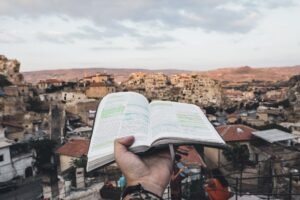
The Sacred Rhythm of Celebration
In the modern world, the concept of celebrating life is often reduced to fleeting moments of personal achievement, birthdays, or the occasional milestone. Yet, when we look at the tapestry of Scripture, we find a much deeper, more robust invitation to recognize life itself as a profound gift from the Creator. To celebrate life in the biblical sense is not merely to engage in hedonistic pleasure, but to acknowledge the hand of the Almighty in every breath we draw. It is a posture of the heart that recognizes the sanctity of existence, even in the midst of a world that is often marred by the effects of sin. When we begin to view our daily routines through the lens of divine grace, we move from a state of mere survival to a state of intentional, worshipful celebration.
The act of celebration is woven into the very fabric of the biblical narrative. From the creation account where God looks upon his work and calls it good, to the final vision of the new heavens and the new earth, the Scriptures invite us to pause, reflect, and rejoice in the goodness of God. This is not a denial of the reality of suffering or the heavy weight of sorrow, but rather an assertion that because God is sovereign and his love is everlasting, life possesses an inherent dignity that deserves to be honored. As we explore what the Bible says about celebrating life, we will discover that this practice is deeply connected to our growth in Faith and our capacity for Gratitude.
As we embark on this study, it is important to acknowledge that different Christian traditions approach the concept of celebration in varied ways. Some traditions emphasize the ascetic practice of self-denial as a primary means of holiness, while others lean heavily into the festive, communal aspects of liturgical life and feasting. Both perspectives find their roots in the biblical tension between the present suffering of the world and the future glory of the kingdom. We will seek to find a middle ground that honors the call to holiness while embracing the permission to enjoy the good gifts that our Father in heaven bestows upon us daily.
The Foundation of Joy in the Creator
The primary reason for celebrating life is the character of the One who gave it to us. In Genesis 1:31, we see that after God finished his creative work, he surveyed everything he had made and declared it to be very good. This declaration is the bedrock of our celebration. We do not celebrate life because we have earned it or because our circumstances are perfect; we celebrate it because the Source of life is inherently good, and his creative intent was for humanity to flourish in relationship with him. When David reflects on the wonder of his own formation in Psalm 139:13, he highlights the intimate involvement of God in the life of every person. This recognition turns our view of life into an act of worship.
This foundational joy is not easily shaken by the trials of life. When we understand that our existence is not an accident of nature but a deliberate act of divine love, our perspective shifts. We begin to see our days as a series of opportunities to reflect the image of our Creator. This is why the psalmist in Psalm 118:24 can command us to rejoice and be glad in the day that the Lord has made. The day is not ours; it is a gift, a canvas upon which we are invited to paint with the colors of obedience and love. By acknowledging God as the author of life, we move away from the pride of self-reliance and into the humility of a creature who knows its place in the grand design.
Furthermore, the joy of the Creator is not meant to be a solitary experience. It is a communal reality that binds the body of Christ together. When we celebrate life, we are acknowledging that every member of the human family bears the imprint of the divine. This perspective fosters a spirit of compassion and love that transcends our differences. Whether we are in the bustling city of Jerusalem or the quiet corners of our own homes, we are called to look for the goodness of God in one another and to celebrate the unique way that each person reflects the glory of the Almighty.
Finding Meaning in the Midst of Suffering
It is a common misconception that celebrating life is only appropriate when things are going well. However, the biblical witness is clear that joy and sorrow often walk hand in hand. The Apostle Paul, in his letter to the Philippians, provides a profound example of this. Throughout Philippians 4:4, he exhorts the believers to rejoice in the Lord always, and he repeats this command for emphasis. This is remarkable when we consider that Paul wrote these words while he was imprisoned, facing the possibility of death. His ability to celebrate the life he had in Christ was not dependent on his external circumstances, but on the internal reality of his union with the Savior.
This underscores the vital role of Hope in our ability to celebrate. Because we have the promise of eternal life through Christ, we are able to endure the present sufferings of this world with a perspective that looks beyond the horizon. Romans 8:18 reminds us that the sufferings of this present time are not worth comparing to the glory that is to be revealed to us. This does not mean we ignore or minimize our pain, but that we place it within the context of God’s ultimate victory. When we anchor our hope in the resurrection, we find the strength to celebrate the life we are living now, even when that life is marked by difficulty and challenge.
Different theological traditions offer varying nuances on how to balance this joy and sorrow. Some emphasize the “already but not yet” nature of the kingdom, suggesting that our current celebrations are merely foretastes of the ultimate feast to come. Others focus on the redemptive value of suffering, arguing that our trials refine our character and make our eventual joy more profound. Regardless of the specific emphasis, the consensus remains that the Christian life is not one of grim endurance but of empowered, hopeful movement toward a glorious end. In this, we find the grace to celebrate even when the world seems dark, knowing that the light of the gospel is never extinguished.
The Celebration of Community and Fellowship
Life was never intended to be lived in isolation. God created us for relationship, and one of the most powerful ways we celebrate life is through the fellowship of the church. In Acts 2:46, we see the early believers breaking bread in their homes and eating with glad and sincere hearts. This communal celebration of life was a hallmark of their witness to the world. They recognized that their shared life in the Spirit was a precious commodity, and they took every opportunity to honor it through gathering, eating, and praising God together. The simple act of sharing a meal became a sacrament of sorts, a way of acknowledging that their lives were sustained by the same bread of life.
This communal aspect of celebration is deeply rooted in the history of God’s people. From the festivals in the Old Testament to the wedding feast of the Lamb in the book of Revelation, God has always called his people to gather and remember his mighty acts. When we gather as a family of faith, we are participating in a tradition that spans generations. We remember the faithfulness of figures like Abraham, who trusted God for a future he could not fully see, and we celebrate the fact that we are the beneficiaries of that same promise. By sharing our stories, our struggles, and our victories, we reinforce the truth that we are not alone in our journey.
The importance of community also extends to how we handle the complexities of life. When one member of the body suffers, all suffer with them, and when one rejoices, all rejoice with them. This is the essence of true fellowship. It is a commitment to walk through the joys and sorrows of life together, ensuring that no one is left to carry their burdens alone. In our modern, often fragmented society, this kind of intentional, sacrificial community is a radical act of witness. It is a way of showing the world that life is precious because it is a gift to be shared, not a possession to be hoarded. As we cultivate these relationships, we find that our capacity for celebration grows, as we are able to see the goodness of God through the eyes of those we love.
Gratitude as the Gateway to Joy
If celebration is the house we live in, then gratitude is the door that leads us inside. Without a heart of gratitude, we are prone to take the blessings of life for granted, viewing them as entitlements rather than gifts. 1 Thessalonians 5:18 tells us to give thanks in all circumstances, for this is the will of God in Christ Jesus for us. This is a challenging command, but it is also a liberating one. When we make the choice to be grateful, we actively shift our focus from what we lack to what we have been given. We begin to notice the small, everyday miracles—the warmth of the sun, the presence of a friend, the grace of a new day—that we might otherwise overlook.
Gratitude is also the antidote to the poison of comparison and envy. In a culture that constantly tells us we need more to be happy, the practice of biblical gratitude reminds us that we already possess everything we need in Christ. When we cultivate a spirit of thankfulness, we become more content, and our contentment becomes a form of celebration. We are no longer chasing the next big thing, but are instead savoring the present moment. This is a powerful testimony to the sufficiency of God’s grace. As we become more aware of the many ways God provides for us, our hearts naturally overflow with praise, and our lives become a living sacrifice of thanksgiving.
This practice of gratitude is not merely a mental exercise; it is a spiritual discipline that requires intentionality. Just as we train our bodies, we must train our hearts to see the hand of God in the ordinary. This can be as simple as keeping a journal of blessings, praying through our day with an eye for God’s providence, or intentionally expressing appreciation to those around us. By making gratitude a habit, we create a climate in our souls where celebration can flourish. We find that the more we thank God for the life he has given us, the more we want to celebrate that life in ways that honor him and bless others.
The Role of Wisdom in Balanced Living
While the Bible encourages celebration, it also emphasizes the need for Wisdom. We are called to live lives that are marked by balance, discernment, and self-control. Proverbs 14:15 warns us that the simple believes everything, but the prudent gives thought to his steps. This applies to how we celebrate as well. Our celebrations should be characterized by an integrity that reflects our commitment to the Lord. We are called to enjoy the gifts of life without becoming enslaved by them. This is the delicate balance of the Christian life: to be in the world but not of it, to enjoy the creation while keeping our hearts fixed on the Creator.
Discerning the difference between healthy celebration and worldly indulgence is a task that requires the guidance of the Holy Spirit. Different denominations have historically debated the boundaries of such things, with some advocating for strict separation from cultural activities and others encouraging a more integrated approach. The key, as the Apostle Paul suggests in Romans 14, is to act out of conviction and love for our neighbors. We must ensure that our celebrations do not become stumbling blocks for others or sources of pride for ourselves. Our goal is always to live in a way that brings glory to God and promotes the unity of the church.
True wisdom also teaches us that there is a time for everything under the sun, as Ecclesiastes 3:1 reminds us. There is a time to weep and a time to laugh, a time to mourn and a time to dance. Recognizing the season we are in is part of the wisdom of living a life that celebrates God. When we are in a season of joy, we should celebrate with abandon, acknowledging that every good gift comes from above. When we are in a season of sorrow, we should lament with honesty, trusting that God is near to the brokenhearted. Both are ways of honoring the life we have been given, and both are necessary for a mature, vibrant faith. By leaning on the wisdom of Scripture, we can navigate the complexities of life with a grace that is both joyful and grounded.
The Ultimate Celebration: The Gospel of Grace
At the heart of all our celebrations is the gospel of Jesus Christ. The life we celebrate is not just our biological existence; it is the new life we have in the Savior. When we consider the narrative of the gospel—that God became man in the small town of Nazareth, lived a perfect life, died for our sins, and rose again—we find the ultimate reason for joy. This is the story that gives all other stories their meaning. Because of what Christ has done, every aspect of our lives is redeemed and restored. We are no longer defined by our past mistakes or our current limitations, but by the grace that has been poured out upon us.
This grace is the fuel for our celebration. It is the assurance that we are loved, forgiven, and accepted by God. When we rest in this truth, we are free to enjoy life in a way that is not burdened by the weight of performance or the fear of failure. We can celebrate our successes without pride, and we can navigate our failures with the confidence that we are held by a grace that is stronger than our sin. This is the freedom that Christ purchased for us, and it is the foundation upon which we can build a life of perpetual celebration. It is a life that is lived in the light of the resurrection, where every day is an opportunity to sing the praises of the One who saved us.
As we conclude this exploration, let us remember that our celebration is not just for our own benefit. It is a witness to the world. When a hurting, weary world sees a people who can find joy in the midst of trial, who can be grateful in the midst of lack, and who can love in the midst of division, they see the beauty of the gospel in action. Our lives become a living invitation to others to taste and see that the Lord is good. Let us, therefore, commit ourselves to celebrating the gift of life with a heart that is fully surrendered to the One who gave it. Let us live with the joy that comes from knowing we are his, and let our lives be a reflection of the eternal celebration that awaits us in his presence.
Living Out the Celebration
In the final analysis, the invitation to celebrate life is an invitation to live with intentionality and purpose. It is a call to pay attention to the details of our existence, to recognize the presence of God in the mundane, and to respond with a heart of worship. Whether we are facing the challenges of daily work, the joys of family life, or the quiet moments of reflection, we have the opportunity to make our lives a celebration of God’s goodness. This is not a passive activity; it is an active, ongoing engagement with the grace that sustains us. It is a commitment to look for the light, to cherish the relationships we have been given, and to walk in the freedom that Christ has provided.
As we move forward, may we be a people who are known for our joy. May our homes be places where the goodness of God is celebrated, where stories of his faithfulness are told, and where everyone who enters feels the warmth of his love. May our churches be communities where we truly bear one another’s burdens and share in one another’s joys, reflecting the unity that is the hallmark of the body of Christ. And may our own hearts be the primary arena where this celebration takes place—a place where the truth of the gospel is constantly remembered, where gratitude is constantly cultivated, and where the Spirit is constantly invited to lead us in the dance of life.
The journey of faith is long, and there will be many turns in the road. There will be times of great triumph and times of deep testing. But through it all, the promise remains: the Lord is with us, and his mercies are new every morning. This is the ultimate, unchanging reason for our celebration. We do not celebrate because we have everything figured out; we celebrate because we know the One who does. We do not celebrate because we are perfect; we celebrate because we are forgiven. We do not celebrate because we are strong; we celebrate because he is our strength. So let us go forward with confidence, joyfully embracing the gift of life and pointing others toward the Source of all true and lasting celebration.
The Eternal Perspective
Finally, we must keep our eyes fixed on the eternal horizon. The life we celebrate now is but a prelude to the life that is to come. As we look forward to the day when Christ will return and make all things new, our celebration takes on a tone of anticipation. We are a people who live in the light of the future glory, and this perspective changes everything about how we live today. It gives us the patience to wait, the courage to endure, and the hope to persevere. It reminds us that our present sufferings are temporary, but the joy of the Lord is eternal.
This is the hope that sustains the Christian through the darkest of nights. It is the hope that allows us to find meaning in the midst of the most difficult trials. It is the hope that turns our lives into a constant, unfolding celebration of the grace of God. As we look at the biblical record of those who have gone before us—the prophets, the apostles, the saints—we see a common thread: they were all sustained by the hope of what God was doing and what he would do. They were all able to celebrate because they saw the world through the lens of faith, trusting in the promises of God even when they could not see their fulfillment.
So let us be encouraged to live our lives with this same perspective. Let us be a people who are defined not by our circumstances, but by our confidence in God. Let us be a people who are known for our joy, our gratitude, and our love. And let us be a people who are always, in every season, celebrating the gift of life that we have received in Christ. For in the end, it is all about him—his life, his death, his resurrection, and his future kingdom. To him be all the glory, now and forever, as we live out our lives in the joy of his salvation and the wonder of his grace.
A Final Word on the Practice of Celebration
As we close this study, let us consider practical ways to integrate these truths into our daily lives. Perhaps it begins with a morning prayer of gratitude, asking the Lord to help us see his hand in the day ahead. It might involve setting aside time to intentionally fellowship with others, to share a meal, and to speak of the ways God is working in our midst. It could mean choosing to respond to a stressful situation with a prayer for peace and a reminder of God’s sovereignty. Whatever form it takes, the practice of celebration is a muscle that must be exercised. The more we do it, the more natural it becomes, and the more our lives will reflect the joy of the Lord.
Let us also be mindful of the importance of rest. In our culture of constant activity, taking time to pause and enjoy the fruit of our labor is a radical act of faith. It is a way of acknowledging that we are not the masters of our own destiny, but that we are held in the hands of a loving Father who provides for all our needs. When we rest, we are celebrating the finished work of Christ, trusting that he is the one who sustains us. This is the rhythm of grace that allows us to live and work and celebrate with a heart that is at peace.
May you find encouragement in these words and in the scriptures that point us toward the beauty of the life God has given you. May you be strengthened in your faith, comforted in your sorrows, and filled with a joy that overflows into the lives of those around you. And may you always remember that you are a child of the King, a recipient of his grace, and a participant in his eternal kingdom. Go forth and celebrate the gift of life, for it is a treasure beyond measure, a testimony to his love, and a reflection of his glory. The Lord is with you, and he is the source of all your joy.
Reflecting on the Sovereignty of God
When we talk about celebrating life, we must also acknowledge the sovereignty of God over every detail of our existence. Nothing happens in our lives that is outside of his providential care. This is a profound comfort, especially when life feels chaotic or overwhelming. It means that our celebrations are not just random events; they are part of a larger, divine narrative that is moving toward a glorious conclusion. By trusting in the sovereignty of God, we are freed from the anxiety that comes from trying to control everything ourselves. We can let go, trust in his guidance, and simply enjoy the journey, knowing that we are in the best of hands.
This trust is the foundation of our peace. It allows us to face the unknown with courage, knowing that the One who holds the future is the same One who walked the dusty roads of Nazareth and gave his life for us. It allows us to be generous with our time and resources, knowing that all we have comes from him and that he will continue to provide. It allows us to be patient in our relationships, knowing that he is at work in the lives of others just as he is at work in our own. In every way, the sovereignty of God is the bedrock of our ability to celebrate life with confidence and joy.
So let us walk in this truth, letting it shape our thoughts, our words, and our actions. Let us be a people who are rooted in the knowledge of his love and who are confident in the power of his grace. Let us live our lives as a testimony to his goodness, celebrating the gift of life in a way that points others toward the truth of the gospel. And let us always remember that our ultimate celebration is yet to come, when we will stand in his presence and worship him for all eternity. Until then, let us live each day to the fullest, honoring him in all that we do and finding our deepest joy in his presence.
The Call to Discipleship
Finally, let us remember that the life we are called to celebrate is a life of Discipleship. It is a life that is lived in obedience to the commands of Christ and in the power of the Holy Spirit. This is not a burden, but a privilege. It is the way we show our love for the One who first loved us. As we grow in our understanding of his word, we find that his ways are truly the best ways. His commands are not meant to restrict our joy, but to protect it and to lead us into the fullness of life that he intends for us. By walking in his footsteps, we find the path of life, where there is fullness of joy and pleasures forevermore.
This path of discipleship is one that we walk with others. We are called to encourage one another, to build one another up, and to spur one another on toward love and good deeds. This is the essence of the life of the church, and it is a vital part of how we celebrate the gift of life together. By sharing our lives, our resources, and our faith, we create a community that is a beacon of hope in a dark world. Let us commit ourselves to this life of discipleship, knowing that it is the most meaningful and fulfilling way to live. Let us be a people who are committed to the truth, who are guided by wisdom, and who are motivated by love.
May the Lord bless you as you seek to celebrate the life he has given you. May he give you the grace to see his goodness in every season, the wisdom to navigate the complexities of life, and the strength to persevere in the face of every challenge. May your life be a beautiful, vibrant, and enduring celebration of the gospel, and may you find your deepest and most lasting joy in the presence of the One who is the author and finisher of your faith. Go in peace, and live in the joy of the Lord, for he is worthy of all our praise and all our celebration, now and forevermore.
Conclusion: A Life Well-Lived
To celebrate life is to recognize that we are part of a story that is much bigger than ourselves. It is to acknowledge that our lives are a gift, intended to be lived in relationship with God and with one another. It is to embrace the joy of the present, while holding onto the hope of the future. It is to live with gratitude, wisdom, and a spirit of sacrifice, reflecting the character of the Savior who gave his life so that we might have life in all its fullness. In this way, our lives become a living testament to the goodness of God, a constant, unfolding celebration of his grace.
As we conclude this reflection, let us take a moment to thank God for the life he has given us. Let us acknowledge the many blessings—both large and small—that we have received from his hand. Let us commit ourselves to living in a way that honors him, and let us ask for his help to be people who are known for our joy and our gratitude. Let us look forward to the future with hope, and let us live each day with the confidence that we are held in his love. And let us always remember that the greatest celebration is the one that we share in his presence, both now and for all eternity.
May the grace of the Lord Jesus Christ, the love of God, and the fellowship of the Holy Spirit be with you as you walk this path of life. May you find the strength to celebrate in every circumstance, the wisdom to discern his will in every situation, and the joy that comes from knowing that you are his. Go forth, and let your life be a celebration, a vibrant witness to the truth of the gospel, and a beautiful reflection of the love of God. For he is good, his love endures forever, and he is worthy of all our worship and all our celebration, today and every day of our lives.
The Beauty of Holiness
It is important to remember that our celebration of life is deeply connected to our call to Holiness. We are called to be set apart, to be a light in the world, and to live in a way that reflects the purity and righteousness of God. This is not a call to legalism, but a call to the kind of life that truly flourishes. When we live in obedience to God’s word, we are protected from the destructive patterns of the world, and we are freed to enjoy the true, lasting beauty of life. Holiness is the context in which our celebrations become truly meaningful, as they are rooted in the truth and the character of God.
This pursuit of holiness is a journey, one that is marked by constant dependence on the grace of God. We are not perfect, and we will often fall short. But we have the promise of Forgiveness, and we have the assurance that he is always at work in us, refining our character and making us more like Christ. This is the beauty of the gospel—that it covers our failures and empowers us to grow. As we pursue holiness, we find that our capacity for joy increases, as we become more aligned with the heart of God. Our celebrations become more sincere, our gratitude more profound, and our love more sacrificial.
So let us embrace this call to holiness with joy and confidence. Let us be a people who are committed to the truth, who are guided by his wisdom, and who are motivated by his love. Let us live our lives as a sacrifice of praise, celebrating the gift of life in a way that brings glory to his name. And let us always remember that he is the one who makes us holy, and he is the one who sustains us on this journey. To him be all the glory, now and forever, as we live out our lives in the joy of his salvation and the wonder of his grace.
The Power of Forgiveness
Finally, we must speak of the role of Forgiveness in our ability to celebrate life. It is impossible to fully enjoy the life we have been given if we are holding onto bitterness, resentment, or the weight of past mistakes. The gospel offers us a way out—the gift of forgiveness, both received and extended. When we receive the forgiveness of God, we are set free from the burden of our sin, and we are given a new beginning. When we extend that same forgiveness to others, we are freed from the cycle of anger and pain, and we are empowered to live in the freedom of his grace.
This is the secret to a life that is truly capable of celebration. It is a life that is marked by a lightness of spirit, a heart that is open to the grace of God, and a willingness to let go of the things that hinder our joy. It is a life that is defined by the love of Christ, which covers a multitude of sins and restores what was broken. As we walk in the power of forgiveness, we find that our relationships are healed, our hearts are renewed, and our capacity for celebration grows. We are able to see the goodness of God in the midst of our brokenness, and we are able to share that goodness with others.
So let us be a people who are known for our forgiveness. Let us be quick to seek the grace of God when we fall, and let us be quick to extend that same grace to those who have wronged us. Let us live in the freedom of his forgiveness, and let us celebrate the life he has given us with a heart that is full of love and gratitude. For in the end, it is his forgiveness that makes all things new, and it is his love that sustains us through every season of life. May you be blessed as you walk in this freedom, and may your life be a radiant, joyful celebration of the grace of God.
The Gift of Hope
In conclusion, let us hold fast to the Hope that is ours in Christ. It is this hope that anchors our souls, that gives us the strength to endure, and that fills our hearts with the joy of the Lord. It is the hope that looks beyond the present, to the eternal, and that reminds us that our labor is not in vain. It is the hope that is rooted in the resurrection, in the promise that God is making all things new. This is the hope that sustains us through every season of life, and it is the hope that makes our celebration of life possible, even in the midst of the most difficult trials.
Let us live in the light of this hope, and let us share it with all who are around us. Let us be a people who are known for our confidence in God, for our joy in the midst of sorrow, and for our love in the midst of division. Let us be a people who are always, in every season, celebrating the gift of life that we have received in Christ. For in the end, it is his life that we are living, his grace that is sustaining us, and his glory that we are reflecting. May our lives be a beautiful, vibrant, and enduring celebration of the gospel, now and forevermore.
As you reflect on these things, may you be filled with the peace that passes all understanding. May you find your deepest joy in the presence of the Lord, and may your life be a constant, unfolding celebration of his grace. Go forth with confidence and joy, knowing that you are loved beyond measure and that you are called to a life of purpose and celebration. The Lord is with you, and he is the source of all your joy, today and every day of your life. Amen.