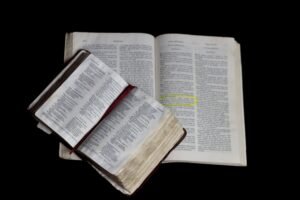
The Invitation to Ask
In the quiet moments of our lives, when the weight of the world feels heavy and our own resources seem exhausted, we are often confronted with the reality of our own limitations. It is in these moments that the words of James 4:2 echo with striking clarity: you have not because you ask not. This verse serves as a profound invitation from the heart of God to his children, reminding us that our relationship with the Creator is not merely a static state of being, but a dynamic, ongoing dialogue. When we consider the breadth of Scripture, we see that the architecture of the Christian life is built upon the foundation of dependence, and prayer is the primary expression of that reliance.
Many of us navigate our daily routines with a sense of self-sufficiency that masks a deeper spiritual poverty. We worry about our circumstances, we labor under the shadow of anxiety, and we attempt to solve our problems through our own ingenuity, often forgetting that the throne of grace is accessible at every hour. The apostle James, writing with the urgency of a pastor concerned for the spiritual health of his flock, points us toward a remedy that is simultaneously simple and incredibly difficult: the act of asking. It requires a humility that admits we do not have all the answers, and it demands a faith that believes God is not only listening but is deeply invested in the details of our existence.
As we embark on this exploration of what it means to ask God, we must recognize that this is not a formula for transactional religion. We are not treating the Almighty as a cosmic vending machine, but rather entering into a covenant relationship that is defined by grace. The call to ask is a call to align our hearts with the will of God, to understand that our desires are often fragmented and misplaced, and to seek the wisdom that comes from above. By examining the biblical context of this verse, we can begin to unpack the layers of meaning that encourage us to move from a place of spiritual stagnation to a life of vibrant, prayerful engagement with the Father.
The Context of Conflict and Desire
To understand the weight of James 4:2, we must look at the verses surrounding it. James is addressing a community that is fractured by conflict, envy, and the pursuit of selfish ambition. He notes in James 4:1 that the quarrels and fights among them come from the passions that are at war within their members. This is a crucial observation because it grounds the act of asking—or the failure to ask—in the soil of the human heart. When we are consumed by our own desires and the competitive nature of our culture, we lose sight of the primary objective of prayer, which is communion with God.
The tension here is between the world’s way of getting things and the kingdom’s way of receiving them. The world encourages us to grasp, to compete, and to manipulate our surroundings to satisfy our cravings. James warns that this path leads only to discord and emptiness. In contrast, he proposes a different model: ask God. The struggle often arises because we are asking for the wrong things, or we are asking with the wrong motives. James 4:3 explicitly states that we ask and do not receive because we ask wrongly, to spend it on our passions. This distinction is vital for any believer who seeks to grow in their prayer life.
Christian traditions often wrestle with how to interpret the balance between our requests and God’s sovereignty. Some emphasize the importance of persistent, bold petitioning, while others focus heavily on the necessity of submission to the divine will. Both perspectives find resonance in the broader biblical narrative. We see the humility of individuals like Moses, who interceded for the people of Israel with a heart focused on God’s glory rather than his own preferences. When we align our requests with the character of God, we find that our desires begin to shift, moving from the selfish to the selfless, and our prayers become a reflection of his own heart for the world.
The Pattern of Persistent Prayer
Throughout the Old and New Testaments, we see a consistent pattern of men and women who brought their deepest longings before the Lord. Consider the life of David, whose psalms are a masterclass in honest, raw, and persistent communication with God. In Psalm 27:7, he cries out for the Lord to hear his voice and be gracious to him. David did not hide his needs or his fears; he brought them directly to the source of his strength. His life demonstrates that asking is not a sign of weakness, but a hallmark of trust. He understood that God is the refuge and the provider, and that turning to him in times of trouble is the most logical response for a believer.
This pattern of prayer is also evident in the life of Paul, who consistently encouraged the early church to bring their requests to God with thanksgiving. In Philippians 4:6, he writes that we should not be anxious about anything, but in everything by prayer and supplication with thanksgiving let our requests be made known to God. This passage provides a essential framework for our own prayer lives. It reminds us that our requests are not isolated acts, but part of a larger posture of gratitude. When we approach God with a thankful heart, it changes our perspective on what we are asking for and why we are asking for it.
The act of asking is inherently an act of faith. It implies that we believe God exists, that he is a rewarder of those who seek him, and that he has the power to intervene in our lives. When we neglect prayer, we are effectively saying that we can handle the situation on our own, or that we doubt God’s interest in our personal affairs. Yet, the witness of Scripture is overwhelmingly clear: God delights in the prayers of his children. He invites us to cast our burdens upon him because he cares for us, as noted in 1 Peter 5:7. This is a profound comfort in a world that often feels indifferent to our suffering.
The Role of Wisdom and Discernment
One of the challenges of the command to ask is discerning what exactly we should be asking for. If we are to grow in our faith, our prayers must be informed by wisdom. James himself emphasizes the importance of seeking wisdom in James 1:5, where he promises that God gives generously to all who ask without reproach. This is the key to a healthy prayer life. When we ask for wisdom, we are asking for the capacity to see our lives, our challenges, and our desires through the lens of God’s truth. We are asking to be aligned with his purposes rather than our own immediate gratification.
We must also consider the role of the Holy Spirit in our prayer life. Romans 8:26 tells us that the Spirit helps us in our weakness, for we do not know what to pray for as we ought, but the Spirit himself intercedes for us with groanings too deep for words. This is a source of immense encouragement. Even when we feel that our prayers are inadequate, or that we are asking for the wrong things, the Spirit is at work, refining our petitions and ensuring that our communication with the Father is in accordance with his will. This takes the pressure off us to be perfect in our articulation and places the focus on the intimacy of the relationship.
In the context of the church, this discernment is often sharpened through community. When we pray with others, we are held accountable for our desires and encouraged to seek the things that build up the body of Christ. Unity in prayer is a powerful testimony to the world. It shows that we are not just a collection of individuals seeking personal benefits, but a family of faith that is committed to the mission of God. As we grow in our understanding of what it means to ask, we find that our prayers become more focused on the kingdom of God, the advancement of the gospel, and the well-being of our neighbors.
Overcoming Barriers to Asking
Why do we so often fail to ask? There are several barriers that keep us from the throne of grace. One of the most significant is pride. We want to be the architects of our own destiny, and asking for help feels like an admission of failure. We cling to our independence, even when it leads to burnout and exhaustion. However, the gospel is the ultimate antidote to pride. It reminds us that we are needy, that we are saved by grace, and that our standing before God is not based on our achievements but on the finished work of Christ. When we embrace this truth, it becomes easier to ask for help, both from God and from one another.
Another barrier is fear—fear that God will say no, or fear that we will be disappointed if our prayers are not answered in the way we expect. This fear often stems from a misunderstanding of God’s character. We forget that he is a loving Father who knows how to give good gifts to his children, as Jesus taught in Matthew 7:11. Even when the answer is not what we want, we can trust that God is working for our ultimate good and his glory. This trust is the essence of faith. It is the ability to hold onto the promises of God even when the circumstances seem to contradict them. It is the assurance that God is present in our pain, our waiting, and our longing.
We must also address the barrier of discouragement. Sometimes we have asked for a long time and have not seen the results we hoped for. We may have prayed for healing, for the restoration of a family relationship, or for a breakthrough in a difficult situation, and the silence seems deafening. In these times, we are called to persevere. The Bible is filled with examples of people who waited years, or even decades, for the fulfillment of a promise. Their stories teach us that prayer is not just about the outcome; it is about the transformation that happens in us while we wait. It is in the waiting that our character is forged, our trust is deepened, and our hope is anchored in something that cannot be shaken by the shifting tides of life.
The Connection to Compassion and Generosity
The call to ask God for our needs is inextricably linked to our responsibility to show compassion and generosity to others. When we recognize that everything we have is a gift from God, it changes how we view our resources and our time. We move from a posture of hoarding to a posture of stewardship. We realize that we have not because we ask not, but we also have so that we might give. James 1:27 reminds us that true religion is to visit orphans and widows in their affliction. This is the natural fruit of a life that is deeply rooted in prayer.
When we ask God for strength, we are often given the strength to serve someone else. When we ask for comfort, we are equipped to be a source of comfort for those who are suffering. Prayer is not a closed loop; it is a conduit for God’s grace to flow through us into the world. In the story of the feeding of the five thousand, we see Jesus teaching his disciples to look at what they have, bring it to him, and trust him to multiply it. This is a beautiful picture of the Christian life. We bring our meager offerings, our small requests, and our limited abilities to the Lord, and he uses them to accomplish his purposes in ways that far exceed our expectations.
This perspective also impacts our relationships. When we are in a community of prayer, we are more attuned to the needs of our brothers and sisters. We become more sensitive to the struggles of our family members, more aware of the burdens carried by those in our congregation, and more motivated to act in love. This is the essence of discipleship. It is the process of becoming more like Christ, who spent his life in constant communion with the Father and in constant service to others. By learning to ask God, we learn to love like God, and that is the ultimate goal of the Christian journey.
The Sovereignty of God and the Mystery of Prayer
As we conclude our reflection on James 4:2, it is important to acknowledge the mystery of prayer. We live in a world where we want clear, predictable answers, but God often works in ways that defy our logic. We know that God is sovereign, that he holds the universe in his hands, and that he has a plan that is far greater than anything we could imagine. Yet, we also know that he invites us to participate in his work through prayer. This is the great tension of the faith: the intersection of divine sovereignty and human responsibility.
Some traditions emphasize that God has already ordained all things, and therefore our prayers are a way of aligning ourselves with his pre-determined will. Others emphasize that our prayers truly change things and that God, in his grace, allows us to influence the course of events. Both perspectives find support in the text of Scripture. What we can agree on is that prayer is not a way to change God’s mind, but a way to change our hearts. It is a way to align our wills with his, to seek his face, and to rest in the assurance of his love. Whether or not we see the immediate results of our requests, the act of asking is always a blessing.
We are called to live with hope, even when we do not understand the path that God is leading us down. We are called to keep asking, keep seeking, and keep knocking, trusting that the God who promised to hear us is faithful to his word. As we move forward, let us be a people who are known for our prayers. Let us be a people who are not afraid to bring our deepest needs before the Lord, believing that he is both able and willing to provide. Let us be a people who understand that the invitation to ask is one of the greatest gifts we have been given, and that in the silence and the noise, in the abundance and the lack, God is there, waiting to hear from us.
Embracing the Life of Prayer
In the final analysis, the verse you have not because you ask not is a call to intimacy. It is an invitation to stop living as if we are alone in the world and to start living as children of the living God. It is an invitation to move past the superficiality of our daily lives and to engage with the reality of the spiritual kingdom. When we make prayer a priority, we discover that our lives take on a new depth and a new purpose. We find that our anxieties are replaced by peace, our pride is replaced by humility, and our loneliness is replaced by a profound sense of belonging.
The journey of prayer is a lifelong process. We will have seasons of fervor and seasons of dryness. We will have moments of clarity and moments of confusion. But through it all, the invitation remains the same: come to the Father. He is the source of all grace, the giver of all good gifts, and the hearer of our prayers. He is not distant or indifferent; he is intimately acquainted with all our ways. He knows our needs before we even speak them, yet he invites us to speak them anyway, because he values the relationship more than the request.
So let us take this verse to heart. Let us examine our lives and ask ourselves where we have been relying on our own strength instead of seeking the power of God. Let us be bold in our petitions, humble in our motives, and persistent in our faith. Let us trust that as we ask, we are participating in the unfolding of God’s plan, both in our own lives and in the world around us. And let us rejoice in the knowledge that we have a God who hears, a God who acts, and a God who loves us with an everlasting love. May we be a people who are defined by our prayers, and may our lives be a testament to the goodness of the One who answers.
The Power of Honest Petition
There is something uniquely transformative about the act of expressing our needs to God. It forces us to slow down, to be honest with ourselves, and to acknowledge our absolute dependence on the Creator. In a culture that prizes independence and self-reliance, this is a counter-cultural act. It is a declaration that we are not the masters of our own fate, but that we are under the care of a higher power. This humility is the starting point for all true spiritual growth. When we stop trying to control every outcome, we open ourselves up to the surprising, often unexpected ways that God works in our lives.
Consider the example of those who, throughout history, have stood in the gap for others through prayer. Their lives were not marked by ease or comfort, but by a deep-seated conviction that God was at work. They prayed for justice, for peace, for the healing of the brokenhearted, and for the proclamation of the truth. Their prayers were not always answered in the way they wanted, but they were always answered in the way that God saw fit. They learned that the power of prayer lies not in the speaker, but in the One who listens. This is a lesson that we all need to learn, over and over again.
As you reflect on your own prayer life, consider the areas where you have been hesitant to ask. Perhaps you have felt that your requests are too small, or that you shouldn’t bother God with your trivial concerns. But remember that God is interested in the sparrow and the flower of the field; he is certainly interested in you. Nothing is too small or too insignificant for him to care about. When we bring our whole selves to God—our joys, our sorrows, our fears, and our hopes—we are honoring him with our trust. And in that trust, we find a peace that surpasses all understanding, a peace that guards our hearts and minds in Christ Jesus.
Living in the Light of His Provision
Ultimately, the command to ask is rooted in the promise of God’s provision. We have not because we ask not, but we also have because he gives. His grace is sufficient for us, and his power is made perfect in our weakness. When we ask, we are acknowledging that he is the provider of every good and perfect gift. We are shifting our focus from the lack in our lives to the abundance of his grace. This shift in perspective is what enables us to live with gratitude, even in the midst of hardship. It allows us to see the world not as a place of scarcity, but as a place where God’s goodness is constantly being poured out.
As we close this study, let us commit to being a people of prayer. Let us set aside time each day to come into the presence of God, to pour out our hearts, and to listen for his voice. Let us be a people who are known for our reliance on him, who are quick to ask for his guidance, and who are confident in his love. Let us walk in the light of his provision, knowing that he who began a good work in us will carry it on to completion until the day of Christ Jesus. The journey may be long, and the challenges may be great, but we do not walk it alone. We walk it with the God who hears, the God who answers, and the God who loves us beyond measure.
May you find encouragement in the invitation to ask. May you find strength in the promise of his presence. And may you find joy in the dialogue that defines your relationship with the Father. Remember that you have not because you ask not, but when you ask, you are entering into a relationship that is life-changing, world-altering, and eternally significant. Keep asking, keep seeking, and keep knocking, for the door is always open, and the Father is always waiting to hear from you. This is the beauty of the gospel—that we are invited into the very presence of God, not because of our worthiness, but because of his grace, and there we find everything we need for life and godliness.
The Continuity of Faith
As we consider the trajectory of our lives, we see that the habit of prayer is one that must be cultivated over a lifetime. It is not something we master in a day; it is a discipline that we practice in the morning, in the evening, and in the heat of the day. It is the steady rhythm of our spiritual life. When we look at the saints who have gone before us, we see that their lives were defined by this constant turning to God. They were not perfect, and they certainly faced their share of struggles, but they were consistent in their commitment to prayer. They understood that the secret to a life of faith is not found in our own efforts, but in the grace that is available to us through prayer.
Let us take heart from their example. Let us recognize that our prayers, no matter how faltering or how simple, are heard by the One who created the heavens and the earth. Let us not be discouraged by the silence, but instead be emboldened by the promise. Let us continue to bring our requests to God, trusting that he is working in ways that we cannot see and in timing that we cannot dictate. This is the life of faith—a life of trust, a life of surrender, and a life of constant communication with the One who loves us best.
Finally, let us remember that the ultimate answer to all our prayers is found in Jesus Christ. He is the one who intercedes for us, who understands our weaknesses, and who has made a way for us to draw near to God with confidence. Through him, we have access to the Father, and through him, we have the assurance that our prayers are heard. As we live our lives in the light of this truth, let us be a people who are characterized by our prayerfulness, our hope, and our love. Let us be a people who truly believe that God is good, that he is present, and that he is always ready to hear our cry.
A Final Reflection on Grace
In the end, the theology of asking is really a theology of grace. We ask because we know that we cannot provide for ourselves, and we know that God is the source of all we need. We ask because we know that he is generous, and we know that he delights in giving good gifts to his children. We ask because we know that he is sovereign, and we know that he is working all things together for our good. This is the foundation upon which our prayer lives are built, and it is the source of our strength and our hope.
As you go about your week, I encourage you to be intentional about your prayers. Take a moment to pause, to breathe, and to bring your needs before the Lord. Whether you are dealing with a major life decision or a small daily concern, remember that you have an open invitation to speak with the Creator of the universe. He is waiting to hear from you, and he is ready to answer in the way that is best for you. Do not let the busyness of life keep you from this privilege. Do not let the distractions of the world drown out the whisper of the Spirit.
May your prayers be a source of comfort, a catalyst for change, and a testament to the goodness of God. May they be a reflection of your trust in him and a manifestation of your love for him. And may you always remember that you have not because you ask not, but when you ask, you are stepping into the fullness of the life that God has prepared for you. Go in peace, and may the Lord bless you as you seek him with all your heart, all your soul, and all your mind. The journey of prayer is the journey of a lifetime, and it is a journey well worth taking.
The Infinite Worth of Prayer
It is impossible to overstate the value of prayer in the life of a believer. It is the breath of the soul, the lifeline of the spirit, and the anchor of the heart. When we pray, we are stepping out of the temporal and into the eternal. We are acknowledging that there is a reality beyond what we can see, and that we are participants in that reality. This is a profound truth that should shape everything we do, everything we say, and everything we hope for. It is the secret to a life that is truly lived, a life that is marked by the presence and power of God.
As we conclude this exploration, let us reflect on the words of James 4:2 one more time. It is a verse that challenges us, comforts us, and calls us to a higher standard of living. It is a verse that reminds us of the importance of asking, and of the necessity of aligning our desires with the will of God. It is a verse that points us toward the ultimate source of all our needs, and that encourages us to live with a heart that is open, expectant, and grateful. May this be the reality of our lives, not just for a moment, but for all our days.
Thank you for joining me in this study. It has been a privilege to reflect on these truths with you. May you be encouraged in your own walk with the Lord, and may you find that your prayer life becomes a source of joy and strength as you continue to seek him in everything you do. Remember that he is with you, he is for you, and he is always ready to hear your voice. Keep asking, keep seeking, and keep trusting, for the God who hears is the God who provides. Amen.