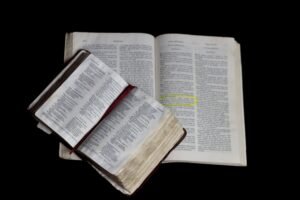
The Metaphor of the Journey
When we open the pages of Scripture, we are frequently met with the imagery of travel. From the very beginning of the human story, life is framed as a movement toward a destination, a pilgrimage of the heart, and a series of decisions that shape our character. The Bible often refers to these movements as paths, ways, or journeys. This metaphor is deeply resonant because it acknowledges the reality of our human experience: we are rarely static. We are always moving through time, navigating challenges, and seeking direction. Whether we are in seasons of profound joy or deep sorrow, the concept of the path reminds us that we are not aimless wanderers, but people invited into a relationship with the One who knows the way.
The Hebrew and Greek words translated as path or way in the Bible carry a weight of moral and spiritual significance. A path is not merely a route from one physical location to another; it is a lifestyle, a set of habits, and a trajectory of the soul. As we consider the paths laid out before us, we are invited to look to the Lord for guidance. Proverbs 3:5-6 remains one of the most foundational texts on this subject, reminding us that when we trust in the Lord with all our heart and lean not on our own understanding, he will make our paths straight. This promise does not imply that our lives will be devoid of obstacles, but rather that our trajectory will be aligned with the divine will.
Throughout this study, we will explore what the Scriptures reveal about the nature of the paths we walk. We will see how God provides guidance for the confused, comfort for the weary, and a sure foundation for those who feel as though their footing is slipping. Whether we look to the life of David, who frequently cried out for direction in the midst of his trials, or the ministry of Paul, who understood the path of the gospel as one of sacrificial love, we find that the biblical witness is consistent: God is the architect of our journey, and his word is the lamp that illuminates the way forward.
The Sovereignty of God in Our Direction
One of the most comforting truths in the Christian faith is the realization that we do not walk alone. While we are responsible for the choices we make and the steps we take, we are ultimately under the sovereign care of a God who sees the end from the beginning. Psalm 23:3 tells us that the Lord leads us in paths of righteousness for his name’s sake. This verse is a powerful reminder that our movement is often orchestrated by the Shepherd. When we feel lost or uncertain about the future, we can find peace in knowing that our lives are not governed by random chance or mere coincidence, but by the intentional hand of a loving God.
This theme of divine guidance is woven throughout the entire narrative of Scripture. Consider the journey of Abraham, who was called to leave his home and travel to a land he did not know. His path was entirely dependent on the promise and the direction of God. He did not have a map, but he had the word of the Lord. Similarly, in the New Testament, we see how the path of discipleship requires a radical surrender to the sovereignty of God. When Jesus called his followers, he did not always provide a detailed itinerary of where they would go or what they would suffer. Instead, he offered himself as the way, the truth, and the life, as recorded in John 14:6. This suggests that the path we walk is less about a specific geographical destination and more about the person of Christ.
Different Christian traditions emphasize the balance between divine sovereignty and human responsibility in different ways. Some emphasize that God determines every step we take, while others highlight the importance of our active participation and free choice in responding to his grace. Regardless of these nuanced theological perspectives, there is a broad consensus that God’s sovereignty provides the ultimate security for our journey. We can rest in the knowledge that even when our path feels winding or obscured by the fog of life, the Lord is the one who ultimately directs our steps, as affirmed in Proverbs 16:9. This trust is the foundation of a life of faith, allowing us to move forward with confidence, knowing that our lives are held in his hands.
The Wisdom of Choosing the Right Way
In the wisdom literature of the Old Testament, the imagery of paths is used to contrast the life of the righteous with the life of the wicked. Proverbs 4:18 tells us that the path of the righteous is like the morning sun, shining ever brighter till the full light of day. This is a beautiful image of growth, clarity, and increasing holiness. It suggests that as we walk in obedience to God, our understanding of his ways becomes more profound and our commitment to his truth becomes more steadfast. Wisdom is not a static possession but a way of walking that honors God in every detail of our daily lives.
Conversely, the Bible warns against the paths that lead away from God. Proverbs 14:12 notes that there is a way that appears to be right, but in the end, it leads to death. This is a sober reminder that our own perceptions and desires can often deceive us. We are prone to wander and prone to justify paths that ultimately distance us from the Lord. This is where the topic of Wisdom becomes essential. True wisdom is found in the fear of the Lord, which leads us to seek his counsel through prayer and the study of his word. When we are faced with difficult decisions, we must learn to pause and ask whether our chosen path reflects the character of God or the fleeting impulses of our own hearts.
The path of wisdom is also a path of humility. It requires us to acknowledge that we do not have all the answers and that we are in constant need of correction and guidance. As we seek to live out our faith, we must constantly return to the truth of Scripture to ensure that our feet are planted on the right ground. This is not a legalistic exercise but a joyous pursuit of the life that God intended for us. By choosing the path of wisdom, we are choosing to align our lives with the reality of his kingdom, finding that his yoke is easy and his burden is light, as Jesus taught in Matthew 11:30. In this way, we find that the path of wisdom is actually the path of true freedom.
Finding Comfort in the Valley
The Bible does not promise that our paths will always be smooth or easy. In fact, it often suggests the opposite. The imagery of walking through the valley of the shadow of death, found in Psalm 23:4, acknowledges that suffering is a part of the human journey. Yet, even in those dark and difficult moments, the psalmist declares that he will fear no evil, for the Lord is with him. This is the hallmark of the believer’s journey: we are never abandoned, especially when the path becomes steep, rocky, or obscured by the darkness of grief, illness, or loss.
When we encounter suffering, it is easy to wonder if we have veered off the intended path. We might question why God would allow us to walk through such a difficult season. However, the Scriptures consistently affirm that God uses these challenging times to refine our faith and deepen our reliance on him. Just as the people of God had to cross the Jordan River to enter the Promised Land, we too must often pass through significant transitions and trials to arrive at a deeper place of spiritual maturity. These valleys are not signs of God’s absence, but rather opportunities for his presence to be made known in a more tangible way.
In these moments, we find that the topic of Comfort is deeply intertwined with our path. The God of all comfort, as mentioned in 2 Corinthians 1:3-4, meets us in our affliction so that we might be able to comfort others who are in any trouble. Our path is not only for our own benefit; it is a testimony to the faithfulness of God. When we persevere through suffering with faith and hope, we become a light to others who are currently walking their own difficult paths. We learn that the destination is not just our own peace, but a deeper capacity to love and serve those around us, mirroring the compassion that Christ showed to those he encountered on his own earthly journey.
The Path of Discipleship and Obedience
The New Testament brings a new dimension to the metaphor of the path through the lens of Discipleship. To follow Jesus is to walk in his footsteps. In 1 Peter 2:21, we are reminded that Christ suffered for us, leaving us an example, that we should follow in his steps. This means that our path is defined by his life, his teachings, and his sacrificial love. Discipleship is not a theoretical concept; it is a daily commitment to imitate the Master. This path often involves self-denial and the taking up of one’s cross, as Jesus called his followers to do in Luke 9:23. It is a path that runs counter to the values of the world, emphasizing service over status and humility over pride.
Obedience is the fuel that keeps us moving forward on this path. It is the practical application of our love for God. When we read the commands of Scripture, we are not looking at a list of arbitrary rules, but at the markers that keep us on the path of life. As we see in the life of Mary, the mother of Jesus, obedience often involves saying yes to God even when we do not fully understand the path ahead. Her willingness to trust God’s plan for her life, despite the uncertainty and the social stigma she faced, is a profound model for every believer. Her journey reminds us that the path of obedience is often the most difficult, yet it is the only one that leads to the fulfillment of God’s promises.
The path of discipleship is also a communal journey. We are not meant to walk it in isolation. The church is a body of believers walking together, encouraging one another, and holding each other accountable. When one of us stumbles, the others are there to offer a hand of support. This is where the topics of Grace and Forgiveness become vital. Because we are all imperfect, we will inevitably make mistakes and wander off the path. The beauty of the gospel is that there is always a way back. Through repentance, we can be restored to the path and continue our journey with renewed vigor. This cycle of falling, being forgiven, and rising again is the rhythm of the Christian life, a testament to the persistent grace of our Savior.
Navigating the Crossroads of Life
Life is full of crossroads—moments where we must make significant decisions about our future, our relationships, and our service to God. Whether it is choosing a career, discerning a call to ministry, or navigating the complexities of Family life, we often find ourselves searching for a sign or a sense of direction. It is in these moments that the practice of Prayer becomes our most vital tool. By bringing our questions and our anxieties to the Lord, we align our hearts with his. We are reminded in Jeremiah 29:11 that God has plans for us—plans to prosper us and not to harm us, plans to give us hope and a future. This does not mean that every decision will be easy, but it does mean that we can move forward with the assurance that God is involved in the process.
Sometimes the crossroads we face are moral in nature. We may be tempted to take a path that promises quick success or temporary pleasure but compromises our integrity. The topic of Temptation is relevant here, as we are called to be vigilant and to rely on the Strength that God provides. We must be able to discern the difference between the path of the world and the path of the Kingdom. This discernment is developed over time through the consistent study of the Word. As we fill our minds with the truth of the Bible, we become better equipped to recognize the subtle lies that lead us away from the path of righteousness. We learn to value Holiness over popularity and Truth over convenience.
It is also important to remember that our paths are often connected to the needs of others. The call to Justice and Mercy should influence the direction we choose. Are we walking a path that is self-centered, or are we walking a path that seeks to alleviate the suffering of others? The prophets of the Old Testament frequently called the people of Israel to return to the paths of justice and righteousness. This call remains relevant for us today. As we walk our own paths, we should be looking for ways to extend the love and compassion of Christ to those who are lost or marginalized. In doing so, we find that our path becomes a means of blessing to the world, reflecting the light of the gospel in a way that points others toward the ultimate destination of eternal life with God.
The Eternal Destination
Ultimately, all the paths we walk in this life are leading toward an eternal destination. The Bible describes this as the path of life, which leads to the presence of God where there is fullness of joy and pleasures forevermore, as stated in Psalm 16:11. This is our ultimate hope. No matter how difficult, confusing, or lonely our journey may seem at times, we are moving toward a city whose builder and maker is God. This hope provides the necessary perspective to endure the trials of the present. It allows us to view our current struggles as light and momentary, preparing us for an eternal glory that far outweighs them all, as Paul writes in 2 Corinthians 4:17.
As we reflect on the paths we have walked and the paths that lie ahead, let us be encouraged by the faithfulness of the One who has promised to be with us until the end of the age. We are not wandering in the dark; we have the light of the world to guide us. We are not walking in our own strength; we have the power of the Holy Spirit to sustain us. We are not without a map; we have the inspired Word of God to show us the way. Every step of faith, every act of obedience, and every moment of trust is a part of the beautiful story that God is writing in our lives.
May we continue to walk with our eyes fixed on Jesus, the author and perfecter of our faith. Let us be people who are known for our commitment to the path of righteousness, our reliance on his grace, and our hope in his promises. Whether our path takes us through the bustling streets of Jerusalem or the quiet corners of our own homes, may we walk with the confidence that we are exactly where God wants us to be. The journey is long, and the terrain is varied, but the destination is certain. Let us walk on, trusting in the One who is the way, the truth, and the life, until we reach the end of our pilgrimage and find our rest in him forever.
Conclusion: Walking Forward in Grace
In this study, we have explored the multifaceted imagery of paths in the Bible. We have seen how the concept of the path serves as a powerful metaphor for our spiritual journey—a journey characterized by divine sovereignty, the necessity of wisdom, the reality of suffering, the call to discipleship, and the hope of an eternal future. As we conclude, let us reflect on the importance of intentionality in our walk. We are not merely passive observers of our lives; we are active participants in a story of redemption. Each day presents new opportunities to choose the path of obedience, to seek the Lord in prayer, and to extend his love to those around us.
Remember that the path is not a measure of our perfection, but a testament to God’s grace. When we stumble, we do not need to despair, for we serve a God who is quick to forgive and eager to restore. When we are uncertain, we do not need to fear, for we have the promise of his guidance. When we are weary, we do not need to give up, for he provides the strength we need to continue. Let us encourage one another as we walk this path together, bearing each other’s burdens and rejoicing in the shared hope of the glory of God. Our collective journey is a powerful witness to the transformative power of the gospel.
May the Lord bless you and keep you as you walk the path he has set before you. May his word be a lamp to your feet and a light to your path, illuminating the way even in the darkest of times. May you find true contentment in his presence, knowing that you are deeply loved and purposefully directed. As you move forward, keep your heart open to his leading, your mind fixed on his truth, and your spirit attuned to his grace. The road may be long, but it is a blessed one, for it is the road that leads home to the heart of the Father. Walk in his light, trust in his love, and never lose sight of the One who walks beside you every step of the way.
A Final Reflection on the Call
As we wrap up our consideration of the paths laid out in Scripture, it is fitting to consider the call to action that follows. A path is meant to be traveled. It is not enough to admire the beauty of the way or to study the maps provided in the Word; we must actually put one foot in front of the other. This requires courage and a willingness to step out of our comfort zones. It requires a heart that is fully surrendered to the Lord, willing to go wherever he leads, even if the path seems unconventional or difficult. The history of the church is filled with men and women who, by faith, stepped onto the path of obedience and saw God do incredible things through their lives.
Perhaps today you feel as though you are at a crossroads, or perhaps you feel that you have been wandering off the path for some time. Take heart in the knowledge that it is never too late to turn back to the Lord. The path of repentance is always open, and the grace of God is always sufficient. His arms are stretched wide to receive you, and his Spirit is ready to guide you back to the way of life. Do not let the weight of your past or the fear of your future keep you from taking the next step. Lean into the promises of God, find strength in his presence, and move forward with the assurance that he who began a good work in you will carry it on to completion.
As you continue your walk, keep these truths close to your heart. Let them be the compass that directs your focus and the anchor that holds you steady in the storms. We are a people of the Way, followers of the One who walked the path of suffering so that we might walk the path of life. Let this reality shape your perspective, your priorities, and your prayers. May your life be a testament to his goodness, and may your journey be a source of encouragement to all who travel alongside you. Walk faithfully, walk humbly, and walk in the confidence that the Lord of the path is with you always, even to the very end of the age.
The Beauty of the Shared Journey
It is worth noting once more that our paths are not solitary. We are part of a larger tapestry of believers who have walked these same roads throughout history. From the ancient patriarchs to the modern-day saints, we are all part of a great cloud of witnesses who have trusted God in the midst of their own unique circumstances. This shared history provides us with a sense of perspective and belonging. We are not inventing the life of faith; we are participating in a tradition that spans centuries and continents. This connection to the past and to our brothers and sisters in the present is a source of immense comfort and strength.
When we look at the lives of those who have gone before us, we see that their paths were rarely straight or simple. They experienced the same doubts, the same fears, and the same struggles that we do. Yet, they also experienced the same faithfulness, the same guidance, and the same grace that is available to us today. Their stories are a reminder that the path of faith is a path of endurance. It requires patience and a steadfast commitment to the truth, even when the world around us seems to be shifting. By learning from their examples, we can gain the wisdom to navigate our own challenges with a greater sense of peace and purpose.
As you move forward, look for opportunities to walk alongside others. Offer a word of encouragement to a fellow traveler, provide a listening ear to someone who is struggling, and share the truth of the gospel with those who are lost. Our paths are meant to intersect, and in those intersections, we find the beauty of community and the joy of mutual support. Together, we are moving toward the same destination, and together, we can encourage one another to keep our eyes fixed on the goal. May your journey be marked by love, may your steps be guided by wisdom, and may your life be a reflection of the One who is the way, the truth, and the life.
Refining Our Walk Through Scripture
To truly understand the path, we must continually return to the source of all truth. The Bible is not just a book to be read; it is a guide to be followed. Every time we engage with the Word, we are gaining the tools we need to walk more faithfully. We are learning to discern the voice of the Shepherd, to recognize the traps of the enemy, and to appreciate the beauty of the life he has called us to live. Let us make it our priority to be students of the Word, allowing it to shape our thoughts, our desires, and our actions. When we are rooted in the truth, we are less likely to be swayed by the changing winds of culture or the fleeting pressures of the moment.
This process of refinement is lifelong. We will never reach a point where we have mastered the path and no longer need the guidance of the Spirit or the wisdom of the Word. We are in a constant state of learning, growing, and becoming more like Christ. This is the essence of sanctification—the process by which God makes us more like his Son. It is a work that he performs in us, but it is a work in which we are called to participate with diligence and humility. By staying close to him, we ensure that our steps remain aligned with his will, and our lives remain a reflection of his glory.
As you continue on your path, remember that the journey is as important as the destination. Every day is a gift, and every moment is an opportunity to walk in obedience and love. Do not be so focused on the future that you miss the beauty of what God is doing in the present. Trust him with the details, rely on him for the strength, and rest in him for the peace. He is the author of your story and the guide of your journey. Walk with him, lean on him, and trust him, for his ways are higher than our ways and his thoughts are higher than our thoughts. He is the Way, and he is with you every step of the way.
The Unfailing Promise
We conclude this study with the assurance of the unfailing promise of God. He has promised to never leave us nor forsake us, and he has promised to guide us with his eye upon us. This is the bedrock of our confidence. No matter what the path looks like, no matter how difficult the terrain, and no matter how uncertain the future, we have the certainty of his presence. This is the ultimate comfort, the source of our joy, and the foundation of our hope. As you walk forward, let this promise be the anthem of your heart, the strength of your spirit, and the light that guides your way.
The path may be long, and the challenges may be real, but the One who walks with you is greater than any obstacle you will ever face. He is the Creator of the universe, the Savior of the world, and the Shepherd of your soul. He knows the way, he has cleared the path, and he is waiting for you at the end of the journey. Keep walking, keep trusting, and keep hoping. The grace of God is sufficient for you, and his power is made perfect in your weakness. Walk in the freedom of his love, the confidence of his presence, and the joy of his salvation, until the day you see him face to face.
May your life be a beautiful journey of faith, a path that shines ever brighter with the light of the gospel. May you be a blessing to those around you, a beacon of hope in a dark world, and a faithful witness to the goodness of God. As you walk, remember that you are loved, you are chosen, and you are called to a life of purpose and joy. Walk on, child of God, for the path is secure, the destination is certain, and the Lord is with you always. Amen.