The Metaphor of the Living Branch
In the quiet moments of our spiritual journey, we often find ourselves wrestling with the concept of productivity. We live in a world that measures value by output, metrics, and tangible results. Yet, when the Scriptures speak of bearing fruit, the focus shifts entirely from our own striving to the source of our life. In John 15:1-8, Jesus provides the definitive framework for this metaphor, describing himself as the true vine and his followers as the branches. This imagery is not merely decorative; it is an organic description of how the life of the believer is sustained. Just as a branch cannot produce grapes by its own willpower, we cannot generate spiritual fruit apart from our connection to Christ.
The act of bearing fruit is the natural result of abiding. When we look at the life of Paul, we see a man who understood this reality deeply. Despite his intense labor and missionary travels, he consistently pointed toward the grace of God as the engine of his productivity. In Galatians 5:22-23, Paul lists the fruit of the Spirit, which serves as a checklist not for our performance, but for the evidence of the Holy Spirit’s transformative work within us. Love, joy, peace, patience, kindness, goodness, faithfulness, gentleness, and self-control are not virtues we manufacture through sheer grit; they are the byproduct of a life surrendered to the indwelling presence of the Spirit.
Understanding this distinction is vital for our peace of mind. Many Christians suffer from spiritual exhaustion because they view fruit-bearing as a quota they must meet to earn God’s favor. However, the biblical witness is clear: the branch does not labor to produce fruit; it simply stays attached to the vine. When we prioritize our relationship with the Lord through prayer, study, and obedience, the fruit appears as a consequence of that intimacy. This perspective shifts our focus from the external burden of ‘doing’ to the internal joy of ‘being’ in Christ.
The Necessity of Pruning for Spiritual Growth
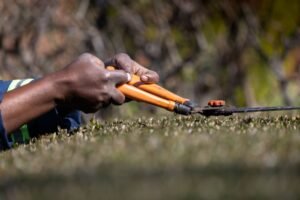
One of the most challenging aspects of bearing fruit is the reality of pruning. Jesus explains in John 15:2 that the Father, as the vinedresser, prunes every branch that bears fruit so that it may bear more. While the word ‘pruning’ might sound harsh or punitive to our modern ears, in the context of viticulture, it is an act of supreme care. A branch that is left to grow wild often produces smaller, weaker fruit because its energy is scattered. Pruning is the process of removing what is unnecessary so that the remaining energy can be directed toward the highest quality of growth.
In our own lives, pruning often manifests as the removal of distractions, comforts, or even good things that have become idols. It is rarely a comfortable experience. We might find that our plans are disrupted, our pride is challenged, or our reliance on our own strength is stripped away. Yet, these moments are invitations to deeper holiness. When we experience seasons of difficulty or loss, we are often being prepared for a greater harvest. This is where the topic of suffering becomes relevant; it is often in the crucible of trial that our character is refined and our capacity for spiritual fruit is expanded.
Different Christian traditions emphasize the nature of this pruning process in various ways. Some focus heavily on the internal discipline of the believer, while others emphasize the sovereign, often mysterious, hand of God in shaping our circumstances. Regardless of the nuances in theological tradition, there is a unified consensus that God’s purpose in our lives is our sanctification. He is not interested in merely making us comfortable; he is interested in making us fruitful. By trusting his process, we find that the temporary pain of pruning leads to the lasting joy of a life that truly reflects the character of God.
Fruitfulness as a Response to Grace
The relationship between grace and fruitfulness is foundational to the Christian faith. Some might mistakenly assume that because salvation is a free gift, the life of the believer should be passive. On the contrary, the apostle Paul argues in Ephesians 2:10 that we are created in Christ Jesus for good works, which God prepared beforehand that we should walk in them. Our fruitfulness is not the cause of our salvation; it is the evidence of it. Grace is the soil in which we grow, and it is the nourishment that allows us to flourish even in the most unlikely environments.
Consider the story of Mary, the mother of Jesus. Her life was characterized by a profound receptivity to the grace of God. When she was told she would bear the Savior, her response was one of humble obedience. She did not strive to produce a miracle; she yielded herself to the work that God was doing in her. Her life became a testament to the fact that when we align our hearts with God’s purposes, our lives naturally become fruitful. This is the essence of true discipleship: a life that is so saturated with the grace of God that it cannot help but overflow into the lives of others.
When we talk about fruit, we are often talking about the impact we have on the world around us. This includes our acts of generosity, our commitment to justice, and our ability to show mercy to those who have hurt us. These are not merely ethical requirements; they are the natural outworking of a heart that has been transformed by the gospel. When we understand that our value is secure in Christ, we are freed from the need to perform for the approval of others. This freedom allows us to be genuinely compassionate and to live with a level of integrity that points people toward the kingdom of God.
The Role of Obedience in the Vineyard
Obedience is often misunderstood as a rigid adherence to a list of rules, but in the context of bearing fruit, it is an expression of trust. When Jesus says in John 15:10 that if we keep his commandments, we will abide in his love, he is establishing a vital link between our actions and our intimacy with him. Obedience is the trellis upon which the vine grows. Without the structure of God’s truth, our lives can become disorganized and spiritually stagnant. By choosing to walk in the way of Christ, we position ourselves to receive the nutrients of his grace and the direction of his spirit.
This is particularly evident in the life of Abraham. He was called to leave his home and follow God into an unknown land. His obedience was not perfect, yet it was persistent. Through his trust in God’s promises, he became the father of many nations. His life demonstrates that fruitfulness is often a long-term endeavor that requires perseverance. We may not see the results of our obedience immediately, but we can be confident that God is working through our faithfulness to bring about his purposes in his time.
The concept of obedience also touches upon the topic of holiness. Holiness is not merely the absence of sin; it is the presence of a life that is set apart for God’s use. When we pursue holiness, we are essentially saying ‘yes’ to the pruning of the Spirit and ‘no’ to the patterns of the world. This requires a daily surrender of our desires to God. In a culture that prioritizes self-expression above all else, the call to holiness can feel counter-cultural, even radical. Yet, it is precisely this set-apart nature that makes our witness effective. When the world sees a life that is defined by love, patience, and integrity, it is drawn to the source of that transformation.
Overcoming Obstacles to Fruitfulness
We must acknowledge the obstacles that hinder our fruitfulness. The parable of the sower in Matthew 13:1-23 highlights several potential pitfalls, including the cares of the world, the deceitfulness of riches, and the lack of deep roots. These are the weeds that threaten to choke out the fruit in our lives. Anxiety and fear are especially potent enemies of fruitfulness. When we are consumed by worry about the future or the opinions of others, we lose our focus on the vine. We spend our energy trying to control outcomes that are solely in God’s hands, rather than trusting in his sovereign care.
Another significant obstacle is pride. When we begin to take credit for the fruit in our lives, we effectively cut ourselves off from the vine. We start to rely on our own intellect, our own resources, and our own reputation. This is a dangerous place to be, for pride blinds us to our need for God’s grace. Humility is the antidote to this pride. It is the acknowledgement that everything we are and everything we produce is a gift from God. By maintaining a posture of humility, we ensure that our hearts remain open to the ongoing work of the Spirit.
Finally, we must address the issue of sin. Sin is the rot that prevents the sap of the Spirit from flowing through our lives. It creates a barrier between us and God, leading to feelings of shame and isolation. However, the beauty of the gospel is that there is always a path back to the vine through repentance. Repentance is not a one-time event but a lifestyle of continually turning away from our own selfish ways and returning to the grace of God. When we confess our sins, we are cleansed, and the flow of life is restored. This process of returning to God is essential for any believer who desires to live a fruitful life.
The Communal Aspect of Bearing Fruit
While the metaphor of the vine and the branches often focuses on our individual relationship with Christ, we must not ignore the communal aspect of fruit-bearing. In the New Testament, the church is described as the body of Christ. Just as a branch cannot survive apart from the vine, it also cannot function apart from the other branches. We are meant to grow together, supporting one another, encouraging one another, and holding one another accountable. Our fruitfulness is often nurtured in the context of the local church, where we worship, serve, and learn together.
Think of the early church in Jerusalem. They were devoted to the apostles’ teaching, the fellowship, the breaking of bread, and the prayers. Their collective life was a powerful witness to the surrounding world. They shared their resources, cared for the needy, and lived with such unity that they were described as having one heart and one soul. This kind of communal fruitfulness is a powerful testimony to the reality of the gospel. When we love one another well, we are bearing the fruit of unity, which is a rare and beautiful thing in a fractured world.
This is where the topic of forgiveness becomes so important. In any community, conflict is inevitable. We will hurt one another, misunderstand one another, and disappoint one another. The ability to offer and receive forgiveness is essential for the health of the body. When we choose to forgive, we are reflecting the mercy that we have received from God. This act of grace not only heals our relationships but also clears the way for the Spirit to work in our midst. A community that is committed to forgiveness is a community that is positioned for great fruitfulness, as it demonstrates the power of the gospel to reconcile and restore.
Looking Toward the Eternal Harvest
As we contemplate the meaning of bearing fruit, it is helpful to keep our eyes on the ultimate goal. The fruit we bear in this life is not an end in itself; it is a foretaste of the harvest to come. We are called to live with an eternal perspective, knowing that our labor in the Lord is never in vain. The small acts of kindness, the quiet moments of prayer, the steadfast endurance through suffering—all of these are seeds that God is planting for eternity. We may not see the full harvest now, but we can trust that God is working out his purposes in ways that exceed our understanding.
The story of the Bible begins in a garden and ends in a city, but the central theme remains the same: God’s desire to dwell with his people and to see them flourish. From the promise given to Abraham to the vision of the new Jerusalem, we see a trajectory of growth and restoration. We are invited to participate in this grand narrative by living lives that bear witness to the goodness of God. Whether we are in a season of abundance or a season of famine, our call remains the same: to abide in Christ and to allow his life to flow through us.
Let us not grow weary in doing good, for in due season we will reap if we do not give up, as we are reminded in Galatians 6:9. The journey of the Christian life is a marathon, not a sprint. It requires patience, endurance, and a deep, abiding trust in the one who has called us. As we continue to walk with him, let us be encouraged by the promise that he who began a good work in us will bring it to completion. Our lives, when surrendered to him, will become a beautiful tapestry of fruit that brings glory to the Father and blessing to the world. May we always remain connected to the vine, finding our strength, our purpose, and our ultimate joy in him.
Cultivating a Life of Lasting Fruitfulness
In conclusion, the call to bear fruit is a call to a life of deep, relational intimacy with Jesus Christ. It is a journey that begins with the recognition of our own insufficiency and ends with the celebration of God’s boundless grace. Throughout the Scriptures, we see that fruitfulness is never about our own achievements, but about the extent to which we allow the life of Christ to permeate every aspect of our existence. Whether we are reflecting the wisdom of the proverbs, the courage of the prophets, or the love of the apostles, we are participating in a work that is far greater than ourselves.
As we move forward in our walk with God, let us cultivate a heart that is open to his pruning, a spirit that is responsive to his guidance, and a life that is dedicated to his glory. Let us lean into the community of faith, drawing strength from one another and offering grace in return. And above all, let us keep our eyes fixed on Jesus, the author and perfecter of our faith. He is the true vine, and in him, we find everything we need to live a life that is truly fruitful—a life that bears the mark of his presence and the fragrance of his love.
May this study serve as a starting point for your own reflection on what it means to bear fruit in your specific context. Whether you are navigating the challenges of family life, the complexities of the workplace, or the uncertainties of a changing world, know that you are not alone. The same Spirit who empowered the saints of old is alive and at work in you today. Walk in confidence, knowing that your life, when rooted in Christ, is a precious offering to the Lord and a light to the world around you. Keep abiding, keep trusting, and watch as he produces a harvest that will endure for all eternity.
The Abiding Heart and the Future Hope
There is a profound sense of hope that comes with the promise of fruitfulness. It is the hope that our lives matter, that our small, daily choices to follow Christ have a ripple effect that extends far beyond what we can see. When we choose to respond to anger with patience, to fear with trust, and to pride with humility, we are participating in the unfolding of God’s kingdom. These are the fruits of the Spirit that testify to the reality of the gospel in a world that is often characterized by chaos and darkness. Our fruitfulness is a beacon of light, drawing others to the hope that we have in Christ.
As we look to the future, we can be assured that the work God has begun in us will not be left unfinished. He is the vinedresser who is committed to our growth, the one who knows exactly what we need to thrive. Even when the road is difficult and the pruning is painful, we can rest in the knowledge that his intentions for us are good. He is shaping us into the image of his Son, preparing us for the day when we will stand before him and see the full extent of the harvest he has produced through our lives. Until that day, we continue to abide, to grow, and to bear fruit for his glory.
Let us embrace the call to be a people who are defined by our connection to the vine. Let us be known for our love, our integrity, and our unwavering commitment to the truth. Let us be a people who are not afraid to be pruned, knowing that it is the path to greater fruitfulness. And let us be a people who are filled with the hope of the coming kingdom, where every tear will be wiped away and every life will be fully restored in the presence of the Lord. May our lives be a testament to the power of the gospel, bearing fruit that lasts for generations to come.
Reflecting on the Fruits of the Spirit
To truly grasp the concept of fruitfulness, one must spend time meditating on the specific fruits mentioned in the biblical witness. When we think of joy, we are not thinking of a fleeting emotion that depends on our circumstances, but a deep-seated contentment that is rooted in our relationship with God. When we think of peace, we are thinking of the shalom of God that guards our hearts and minds even in the midst of suffering. These are the marks of a life that is truly in touch with the divine. They are not optional extras for the ‘super-spiritual’ believer; they are the standard evidence of a life that is connected to the vine.
Consider how these fruits interact with one another. Patience enables us to show compassion, while humility allows us to practice forgiveness. Faithfulness in the small things leads to the wisdom to handle greater responsibilities. It is a beautiful, interconnected system of grace that God uses to transform us. As we grow in one area, we often find that we are growing in others as well. The process is holistic, impacting our minds, our emotions, and our actions. It is a total transformation that touches every corner of our lives, making us more like Christ with each passing day.
As you reflect on these truths, take time to pray and ask the Lord to reveal the areas of your life where he is currently working. Ask him to help you see the fruit that is already growing, and to give you the courage to surrender the areas that need to be pruned. Remember that this is a journey of grace, not a race of performance. Be patient with yourself, just as God is patient with you. Trust in his timing, rely on his strength, and keep your focus on the vine. The fruit will come, in his time and in his way, to the praise of his glorious grace.
The Call to Abide Daily
The final takeaway from this exploration is the necessity of a daily rhythm of abiding. Just as we need physical food to sustain our bodies, we need the spiritual nourishment of the Word and prayer to sustain our souls. This is not a matter of checking a box, but of cultivating a heart that is constantly turned toward God. It is the practice of inviting him into our daily routines, our difficult conversations, and our quiet moments of reflection. When we make this a habit, we find that our lives naturally begin to produce the fruit that he desires.
Do not let the busyness of life crowd out the time you need to be with the Lord. Guard your heart, protect your time, and prioritize your relationship with him above all else. When you find yourself drifting, remember the invitation of Jesus: ‘Abide in me, and I in you.’ He is always there, waiting to pour out his grace and to guide you into the life of fruitfulness he has prepared for you. Trust in his promise, walk in his ways, and see what he will do through your life as you stay connected to the vine.
As you go about your week, look for opportunities to bear fruit in the lives of those around you. Offer a word of encouragement, practice patience in a stressful situation, or show kindness to someone who is struggling. These small, simple acts of obedience are the ways in which the fruit of the Spirit is manifested in the world. By doing so, you are participating in the work of the kingdom, reflecting the character of Christ, and bringing glory to the Father. May your life be a beautiful, fruitful branch that brings joy to the heart of God.
Final Reflections on a Life of Fruitfulness
In closing, the topic of bearing fruit is one of the most encouraging themes in the Bible. It reminds us that we are not left to our own devices, but are sustained by the life-giving power of Christ. It assures us that our lives have purpose, that our growth is being nurtured by the Father, and that our labor in the Lord is never in vain. It calls us to a life of humility, obedience, and love, and it promises that the end result will be a harvest that brings glory to God and blessing to others.
Whether you are in a season of growth or a season of pruning, know that you are loved and that you are exactly where you need to be. Trust in the process, lean into the grace of God, and keep your eyes fixed on the vine. Your life is a work in progress, and the vinedresser is at work, shaping you, refining you, and preparing you for a life of lasting fruitfulness. May you find strength in his presence, wisdom in his word, and joy in the journey of becoming more like him each and every day.
Thank you for taking the time to explore this important topic with us. May the truths we have discussed here today be a source of encouragement and guidance as you seek to live a life that honors God. Remember to stay connected to the vine, for in him, you have everything you need to bear fruit that will last for all eternity. Go in peace, walk in the Spirit, and may your life always reflect the goodness and the grace of our Lord Jesus Christ.
Remaining Rooted in the Truth
To remain rooted in the truth is to remain rooted in the vine. The Scriptures are our primary source of guidance, the map that shows us the way of fruitfulness. As you continue your study of the Bible, let the verses we have discussed today be the foundation upon which you build your understanding of what it means to bear fruit. Look for other passages that speak to this theme, and let them shape your perspective on the Christian life. Let the truth of God’s word be the light that guides your path and the strength that sustains your heart.
In a world of shifting values and competing ideologies, the truth of the gospel remains a constant, immovable rock. It is the foundation of our hope and the source of our fruitfulness. By staying grounded in the truth, we ensure that our lives are built on a solid foundation that can withstand the storms of life. Let us be a people who are known for our commitment to the truth, who are not swayed by the winds of cultural change, but who are anchored in the unchanging word of God. This is the mark of a life that is truly fruitful, a life that bears witness to the eternal reality of the kingdom of God.
As you continue your journey, remember that you are part of a larger story, a story of redemption and restoration that spans the ages. You have a role to play in this story, a way to bear fruit that is unique to you. Embrace your role, trust in God’s guidance, and live with the confidence that he is working through you to accomplish his purposes. Keep your eyes on the prize, press on toward the mark, and let your life be a testament to the power of the gospel. May you be blessed as you continue to grow, to learn, and to bear fruit for the glory of God.
The Eternal Harvest Awaits
We conclude our reflection with the promise of the eternal harvest. The fruit we bear in this life is but a glimpse of the glory that is to come. When we stand before the Lord, we will see the full extent of the work he has done through our lives, and we will realize that every act of obedience, every moment of surrender, and every bit of fruit was worth it. We will see the harvest of souls, the transformation of lives, and the restoration of all things in the presence of the King. This is the hope that sustains us, the vision that drives us, and the joy that fills our hearts.
Let us live with this hope in view, letting it shape our priorities, our decisions, and our relationships. Let us live in a way that reflects the beauty of the kingdom, a life that is marked by love, joy, and peace. Let us be a people who are looking forward to the day when we will hear the words, ‘Well done, good and faithful servant.’ This is the ultimate goal of our fruitfulness, the reason for our perseverance, and the source of our deepest joy. May we live each day in the light of this eternal hope, bearing fruit that will endure for all time.
May the grace of the Lord Jesus Christ, the love of God the Father, and the fellowship of the Holy Spirit be with you as you continue to walk in the way of fruitfulness. May your life be a living sacrifice, a sweet-smelling aroma that rises to the throne of God. May you be a light in the darkness, a source of hope in a world of despair, and a witness to the power of the gospel. Go forth in the strength of the Lord, and may your life be marked by the fruit of the Spirit, for the glory of God and the good of his people.