The Invitation to a Deeper Union
In the noise of our modern world, the invitation to abide in Christ often sounds like a distant, mystical echo—something reserved for the desert fathers or the deeply contemplative. Yet, when Jesus spoke these words in the upper room, he was offering a practical, daily reality to his disciples, a way of living that would sustain them through the coming storms of his crucifixion and their subsequent mission. To abide is not to escape the world, but to be anchored in the very source of life while walking through it. It is the conscious, continuous practice of dwelling in the presence of the Savior, recognizing that our spiritual vitality is entirely dependent on our connection to him.
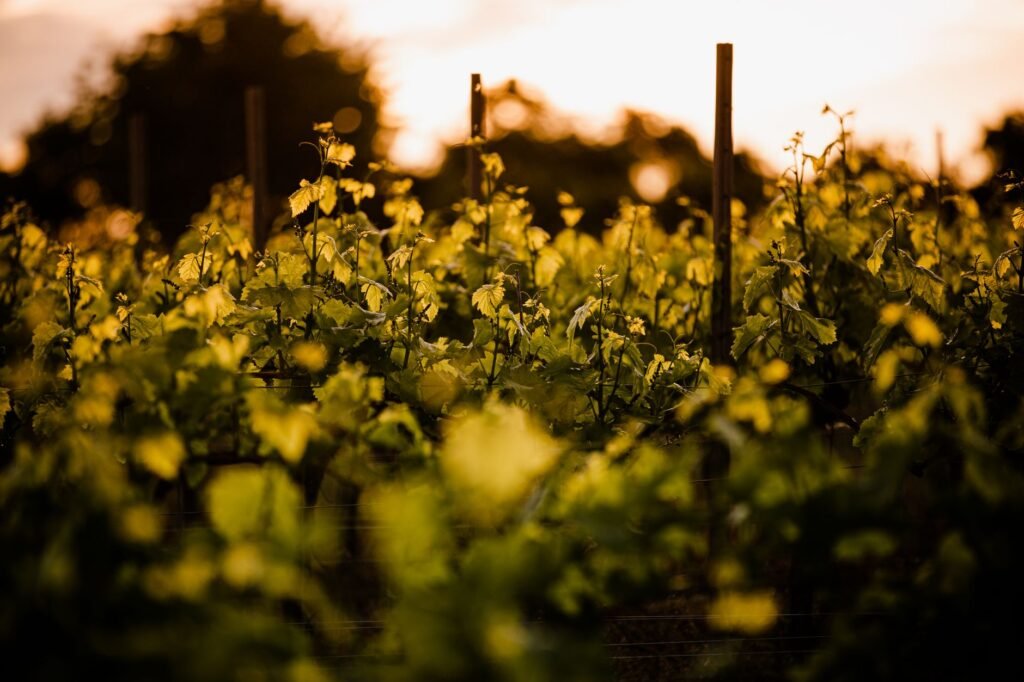
The concept of abiding is rooted in the imagery of the vine and the branches found in John 15:1-17. Jesus paints a picture of organic, inseparable connection. Just as a branch cannot draw life from the soil except through the vine, so the believer cannot sustain a life of holiness or joy apart from Christ. This is not merely a theological position; it is a relational necessity. When we talk about abiding, we are talking about the deliberate choice to orient our hearts toward Jesus throughout the mundane tasks of our day. It is the difference between knowing about Christ and knowing Christ in the intimacy of a shared life.
While different Christian traditions emphasize different aspects of this union—some focusing on the mystical experience of the Spirit, others on the rigorous practice of spiritual disciplines—all agree that abiding is the heartbeat of the Christian life. Whether you are a new believer or have walked the path for decades, the invitation remains the same: to stop striving in your own strength and to begin drawing from the infinite well of grace that is found only in the person of Jesus. This article seeks to explore the textures of this union, examining how we might live more fully in the reality of our connection to the Vine.
The Foundation of Our Connection
The starting point for abiding is the recognition of our own insufficiency. We live in a culture that prizes autonomy and self-sufficiency, yet the gospel begins with the admission that we are fundamentally dependent. Paul speaks to this reality in Galatians 2:20, where he describes a life that is no longer his own, but one lived by faith in the Son of God. This is the bedrock of abiding: the realization that we have been crucified with Christ and that he now lives within us. Without this understanding, our attempts at spirituality often devolve into a checklist of duties rather than a life of communion.
Consider the life of Abraham, who was called to leave everything he knew to walk in obedience to a God he could not see. His life was a long lesson in trust. He had to learn that his security was not in his own plans or his own progeny, but in the promise of God. When we abide, we are essentially walking in the footsteps of Abraham, trusting that the God who called us is the one who sustains us. This trust is not a passive feeling but an active, daily surrender of our anxieties and our need for control. It is the quiet confidence that even when the path is unclear, the Vine remains the source of our strength.
Furthermore, this connection is secured by the finished work of salvation. We do not abide to become saved; we abide because we are already saved. The grace that justifies us is the same grace that sustains us. When we grasp that our standing before God is not based on our performance but on the righteousness of Christ, we are freed from the paralyzing fear of failure. We can approach the throne of grace with boldness, knowing that our union with Christ is permanent and secure. This security is the soil in which the fruit of the Spirit grows, allowing us to face the challenges of life with a peace that surpasses understanding.
The Role of Scripture in Abiding
If abiding is the practice of dwelling in Christ, then Scripture is the map that guides us into that dwelling place. Jesus explicitly links the act of abiding with his words: If you abide in me, and my words abide in you, ask whatever you wish, and it will be done for you, as recorded in John 15:7. We cannot separate the person of Jesus from the revelation of Jesus. To know him is to know his word, and to let his word take root in our hearts is to invite him to shape our thoughts, our desires, and our actions.
The study of Scripture is not merely an academic exercise; it is an encounter with the living Word. When we read the psalms of David, we see a man who was deeply acquainted with the practice of abiding. Even in the midst of his deepest suffering and his most profound failures, David turned to the word of God to anchor his soul. He understood that his comfort was found in the statutes and testimonies of the Lord. When we immerse ourselves in the Bible, we are not just accumulating data; we are allowing the truth of God to wash over us, cleansing our minds and renewing our perspectives on the world.
This is where the topic of wisdom becomes so vital. As we abide in the word, we begin to see the world through the lens of God’s truth. We learn to discern the difference between the fleeting promises of the world and the eternal promises of Christ. This wisdom is not just for our own benefit; it is meant to be shared. As we grow in our understanding of Scripture, we become better equipped to offer guidance to others, to speak truth into the lives of our families, and to navigate the complexities of our culture with grace and conviction. The word of God is indeed a lamp unto our feet and a light unto our path, as noted in Psalm 119:105.
The Necessity of Prayer as Communion
If Scripture is God speaking to us, then prayer is our response to him. Abiding in Christ is impossible without a vibrant, consistent life of prayer. Prayer is the breath of the soul, the means by which we maintain our connection to the Vine. It is in the quiet moments of prayer that we bring our burdens, our joys, our failures, and our hopes to the feet of Jesus. It is here that we acknowledge his lordship and invite his presence to fill the gaps in our own limited understanding.
Many people struggle with prayer because they view it as a formal transaction rather than a relational conversation. Yet, Jesus taught his disciples to pray with the intimacy of children speaking to a father. When we pray, we are not trying to inform God of things he does not already know; we are aligning our hearts with his. We are practicing the presence of God, acknowledging that he is with us in every moment. Whether we are in the bustling streets of Jerusalem or the quiet solitude of our own homes, prayer is the bridge that keeps us connected to the source of our life.
The topic of prayer is inextricably linked to the topic of trust. When we pray, we are expressing our trust in God’s sovereignty and his goodness. We are saying, “Lord, I cannot handle this, but you can.” This is especially true when we face seasons of suffering or uncertainty. In those times, prayer becomes a lifeline. It is a way of casting all our anxieties on him because he cares for us, as Peter writes in 1 Peter 5:7. Through prayer, we find the strength to persevere, the patience to wait, and the hope to keep moving forward, even when the way is difficult.
The Fruit of a Life in Union
Jesus makes it clear that the purpose of abiding is fruitfulness: By this my Father is glorified, that you bear much fruit and so prove to be my disciples, as stated in John 15:8. This fruit is not something we manufacture through our own effort; it is the natural byproduct of being connected to the Vine. When we abide in Christ, his life flows through us, and his character begins to manifest in our own lives. We begin to see the fruit of the Spirit—love, joy, peace, patience, kindness, goodness, faithfulness, gentleness, and self-control—growing in us in ways that we could never achieve on our own.
This fruitfulness is the primary evidence of our discipleship. It is what makes the gospel visible to a watching world. When others see us responding to conflict with grace, to loss with hope, and to injustice with compassion, they are seeing the fruit of our union with Christ. This is not about being perfect; it is about being transformed. It is about the ongoing process of repentance and renewal, where we daily turn away from our own pride and selfishness and turn toward the beauty of Christ’s character.
Consider the topic of love. When we abide in Christ, we are empowered to love others in ways that are counter-cultural. We are called to love our enemies, to forgive those who have wronged us, and to serve those who can offer us nothing in return. This kind of love is only possible when we are drawing from the infinite reservoir of Christ’s love for us. As we abide, we become conduits of his grace, reflecting his light into the dark corners of our world. This is the ultimate goal of the Christian life: to be so filled with Christ that he is seen in everything we do.
Overcoming the Obstacles to Abiding
Despite the beauty of this invitation, we all face obstacles that hinder our ability to abide. The distractions of the world, the weight of our own sin, and the pressures of daily life can easily pull us away from our focus on Christ. We live in a culture of constant noise and perpetual motion, where stillness is often viewed as a waste of time. Yet, abiding requires us to carve out space for silence and reflection, to intentionally disconnect from the world in order to reconnect with the Vine.
The topic of temptation is perhaps the most significant obstacle to abiding. We are constantly tempted to seek fulfillment in things other than Christ—in our achievements, our possessions, our relationships, or our status. These idols promise satisfaction but ultimately leave us empty. When we find ourselves drifting, the first step is always repentance. We must acknowledge that we have wandered and return to the source of our life. Repentance is not a sign of weakness; it is a sign of health. It is the act of turning back to the one who loves us and who is always ready to receive us.
Another obstacle is the tendency toward pride. We often think that we can manage our lives on our own, that we don’t really need the daily, moment-by-moment dependence that abiding requires. This is the root of much of our spiritual frustration. When we rely on our own strength, we inevitably burn out. True abiding is the death of pride. It is the humble admission that we are weak and that Christ is strong. As we cultivate humility, we become more receptive to the work of the Holy Spirit, more sensitive to the guidance of God, and more reliant on the grace that is sufficient for all our needs.
The Communal Dimension of Abiding
While abiding is a personal relationship with Christ, it is never intended to be an isolated one. We are called into the body of Christ, and our connection to the Vine is lived out in the context of the church. We abide in Christ as we love one another, as we bear one another’s burdens, and as we encourage one another in the faith. The unity of the church is a powerful witness to the world, demonstrating the reality of our union with Christ. When we gather for worship, we are collectively acknowledging our dependence on him and celebrating the life he has given us.
The topic of unity is essential here. We are called to be one, just as the Father and the Son are one, so that the world may believe, as Jesus prayed in John 17:21. This unity is not about uniformity; it is about a shared commitment to Christ and his mission. It is about laying aside our preferences and our agendas for the sake of the gospel. When we prioritize the unity of the church, we are creating an environment where abiding can flourish. We are creating a community where the weak are supported, where the broken are healed, and where the grace of God is on full display.
Furthermore, our life together is a training ground for our life in the world. As we practice forgiveness, patience, and compassion within the church, we are being prepared to extend those same virtues to our neighbors, our coworkers, and our families. We are learning what it means to be the hands and feet of Jesus. This is the beauty of the body of Christ: we are all branches of the same vine, and as we stay connected to him, we find that we are also connected to each other in a bond that transcends all human barriers.
Walking in the Light of His Presence
As we conclude our reflection on what it means to abide in Christ, let us remember that this is a journey, not a destination. There will be days when we feel close to the Vine, and there will be days when we feel distant. There will be seasons of great fruitfulness and seasons of pruning. Through it all, the promise remains: he who began a good work in you will bring it to completion at the day of Jesus Christ, as Paul writes in Philippians 1:6. Our abiding is held secure by his faithfulness, not our own.
Let us commit ourselves to the daily rhythm of grace. Let us make it our priority to dwell in his word, to commune with him in prayer, and to walk in the power of his Spirit. Let us be a people who are known not by our own accomplishments, but by the fruit of the Spirit that is evident in our lives. Let us be a people who are marked by love, who are grounded in truth, and who are sustained by the hope of his return. The invitation to abide is the most important invitation you will ever receive.
May you find in Christ everything you need for life and godliness. May you experience his peace in the midst of your anxiety, his strength in the midst of your suffering, and his joy in the midst of your daily work. May your life be a testament to the reality of his presence, a branch that is vibrant, healthy, and bearing much fruit for the glory of God. As you walk through the days ahead, remember that you are never alone. You are in him, and he is in you. That is the secret of the Christian life, and it is more than enough.
A Final Reflection on Grace
The beauty of the Christian life is that it is entirely dependent on the grace of God. We do not earn our place in the Vine; we are grafted in by the work of Christ. This is the message of salvation that we proclaim to the world: that God has made a way for us to be reconciled to him, to have our sins forgiven, and to live in union with him forever. When we understand the magnitude of this grace, our hearts are moved to gratitude. We realize that everything we have is a gift, and we respond by offering our lives back to him in worship.
As you reflect on these truths, consider how you might cultivate a deeper sense of abiding in your own life. Perhaps it means setting aside a few minutes each morning to read the Bible and pray. Perhaps it means practicing the presence of God as you go about your work. Perhaps it means reaching out to a fellow believer to share your struggles and pray together. Whatever it looks like, remember that the goal is not perfection, but connection. It is about keeping your heart turned toward Jesus, trusting that he is working in you and through you.
The world is hungry for the reality of the gospel. They are looking for people who are not just talking about Christ, but who are living in him. May we be those people. May our lives be a reflection of his beauty, our words a reflection of his truth, and our actions a reflection of his love. May we continue to abide in him, day by day, moment by moment, until we see him face to face. For in him, we have life, and we have it abundantly, as he promised in John 10:10. This is the rhythm of grace, and it is the most beautiful way to live.
The Eternal Perspective
Finally, let us keep our eyes fixed on the eternal hope we have in Christ. The struggles of this life are temporary, but the union we have with Jesus is eternal. We are living for a kingdom that will never end, a kingdom where there will be no more sorrow, no more suffering, and no more sin. As we abide in him now, we are getting a foretaste of that future reality. We are experiencing the peace and joy that will one day be ours in fullness. This hope sustains us, encourages us, and motivates us to keep walking the path of faithfulness.
Let us not lose heart, even when the world feels overwhelming. Let us remember that the One who is in us is greater than he who is in the world, as noted in 1 John 4:4. We are part of a story that is much bigger than our own lives, a story of redemption and restoration that God is writing through the ages. We have been invited to play a part in that story, to be witnesses to the power of the gospel, and to shine as lights in a dark world. This is our calling, and it is an honor to walk it out together.
So, take heart. Keep abiding. Keep trusting. Keep praying. Keep reading. Keep loving. The Vine is strong, and he is holding onto you. You are his, and he is yours. May this truth anchor your soul today and every day. May you walk in the confidence of his love, the power of his grace, and the joy of his presence. And may your life be a testament to the goodness of our God, now and forevermore. Amen.
The Call to Persevere
Perseverance is often the most difficult part of the Christian life. It is easy to start well, but it is much harder to keep going when the initial excitement fades and the reality of the struggle sets in. Yet, abiding is the key to perseverance. It is the practice of endurance, of staying connected to the source of our strength even when we feel like giving up. When we abide, we are not relying on our own willpower; we are relying on the power of Christ to sustain us. We are trusting that he who began a good work in us will carry it on to completion.
This perseverance is built on the foundation of our identity in Christ. We are children of God, loved and accepted, regardless of our performance. This identity is the anchor that holds us steady when the winds of life blow against us. When we feel like we are failing, we can return to the truth of the gospel, knowing that our standing before God is secure. This security is the fuel for our perseverance. It allows us to get back up after we fall, to keep moving forward after we stumble, and to keep growing even when the progress seems slow.
As you continue your journey, remember that you are part of a great cloud of witnesses who have gone before you. They, too, had to learn what it meant to abide. They, too, faced the challenges of the world, the temptations of the flesh, and the struggles of the heart. And they, too, found that the grace of God was sufficient for their needs. You are not alone in this. You are part of a family of believers, all of whom are striving to abide in Christ. Let us encourage one another, let us pray for one another, and let us keep our eyes fixed on Jesus, the author and perfecter of our faith, as Hebrews 12:2 reminds us.
The Joy of the Journey
Ultimately, the life of abiding is a life of joy. It is the joy of knowing that you are loved by the Creator of the universe. It is the joy of experiencing his presence in the mundane and the extraordinary. It is the joy of seeing his work in your life and in the lives of those around you. This joy is not dependent on circumstances; it is a fruit of the Spirit, a gift from God that remains even in the midst of sorrow. It is the joy of the Lord, which is our strength, as Nehemiah 8:10 declares.
As you walk in this joy, let it be contagious. Let it draw others to the source of your life. Let it be a witness to the goodness of God in a world that is often marked by cynicism and despair. Let your life be a song of praise, a testament to the beauty of living in union with Christ. This is the life you were created for, the life you were redeemed for, and the life you are invited to live each and every day. So, embrace it. Live it. And let the world see the difference that abiding in Christ makes.
May your heart be full of his love, your mind full of his truth, and your life full of his fruit. May you walk in the light of his presence, and may you find in him the peace that passes all understanding. This is my prayer for you, as we continue to walk this path together, abiding in the Vine, and growing in the grace and knowledge of our Lord and Savior, Jesus Christ. To him be the glory, both now and forever. Amen.
A Final Word of Encouragement
You may be reading this and feeling that you have fallen far short of this ideal of abiding. Perhaps you feel like a branch that has been disconnected, withered and dry. If that is you, please know that the door is always open. The Vine is still there, waiting for you to turn back to him. His grace is deeper than your failures, and his love is stronger than your sin. You don’t need to fix yourself before you come to him; you just need to come to him, and let him do the work of restoring you.
The Christian life is not about being perfect; it is about being in relationship with the One who is perfect. It is about the daily, humble, and honest pursuit of Jesus. So, don’t be discouraged by your weaknesses. Instead, let them be a reminder of your need for him. Let them be the reason you draw closer to him in prayer, the reason you immerse yourself in his word, and the reason you rely on his grace. You are loved, you are known, and you are held by the One who gave his life for you.
May you walk in the confidence of this love today. May you find in him the strength to face whatever comes your way. And may you experience the fullness of life that he has promised to all who abide in him. You are on a journey, and he is with you every step of the way. Trust him, lean on him, and keep your eyes fixed on him. He is the Vine, and you are the branch. And in that union, you have everything you need. Go in peace, and may his grace be with you always.
The Ongoing Work of Transformation
Transformation is the natural result of abiding. As we spend time in the presence of Jesus, we begin to change. Our desires change, our priorities change, and our character changes. We become more like him. This is the work of the Holy Spirit, who is constantly at work in us, conforming us to the image of Christ. This transformation is not always comfortable—it often involves pruning, the cutting away of things that are not of him—but it is always for our good and for his glory.
As you embrace this process of transformation, be patient with yourself. Remember that it is a lifelong journey. You are a work in progress, and God is not finished with you yet. Trust his timing, trust his methods, and trust his love. He knows what he is doing, and he is working all things together for your good, as Romans 8:28 assures us. Keep pressing on, keep growing, and keep abiding. The fruit will come in due season, and it will be a testament to the power of his grace in your life.
Finally, let your life be a testimony to others. Share the story of what God is doing in you. Encourage others to abide as well. We are all in this together, and we all need each other’s encouragement. Let us be a community that is known for our love, our grace, and our commitment to Christ. Let us be a people who are truly, deeply, and consistently abiding in the Vine. And may the world see, in us, the beauty and the power of the gospel of Jesus Christ. Amen.